
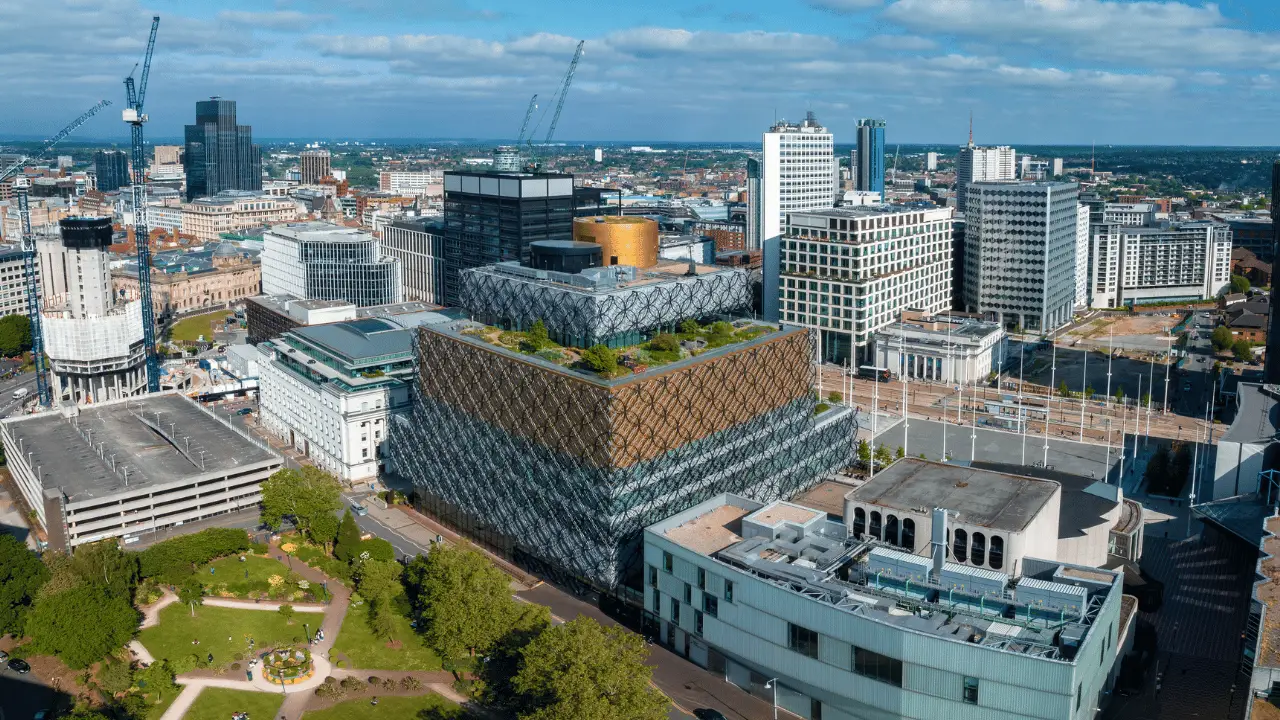
Birmingham has spent years shaking off an outdated reputation, and first-time visitors are often surprised by what they find. The city centre is compact, walkable and packed with things to see, from grand Victorian buildings to cutting-edge architecture, from quiet canals to buzzing food halls. If you are coming for the first time, this guide will help you get your bearings and make the most of your visit.
Getting your bearings
Most visitors arrive at New Street station, right in the middle of the city centre. Above it sits Grand Central, a shopping centre with plenty of places to eat, and from here almost everything is within a twenty-minute walk. Moor Street station, a short walk away, is worth a look in its own right, restored in the style of the 1930s with period details that make it feel like stepping onto a film set.
The city centre is roughly split into a handful of distinct areas, each with its own character. It helps to think of them as neighbourhoods rather than trying to take in the whole city at once.
The Bullring and the shopping core
Directly south of New Street is the Bullring, one of the biggest shopping destinations in the country. Even if shopping is not your thing, it is worth seeing for the Selfridges building, covered in thousands of shining discs, and for St Martin's in the Bull Ring, the historic church at the bottom of the hill. Nearby are the indoor and outdoor markets, which have been trading in this part of the city for centuries in one form or another.
The civic heart
A short walk west along New Street brings you to Victoria Square, surrounded by the Council House, the Town Hall and the elegant old Post Office building. Behind the Council House is Chamberlain Square, and beyond that Centenary Square, home to the Library of Birmingham, the Repertory Theatre and the International Convention Centre. This is where the city puts on its best face, and it is the ideal place to start a walking tour.
The canals, Brindleyplace and the Mailbox
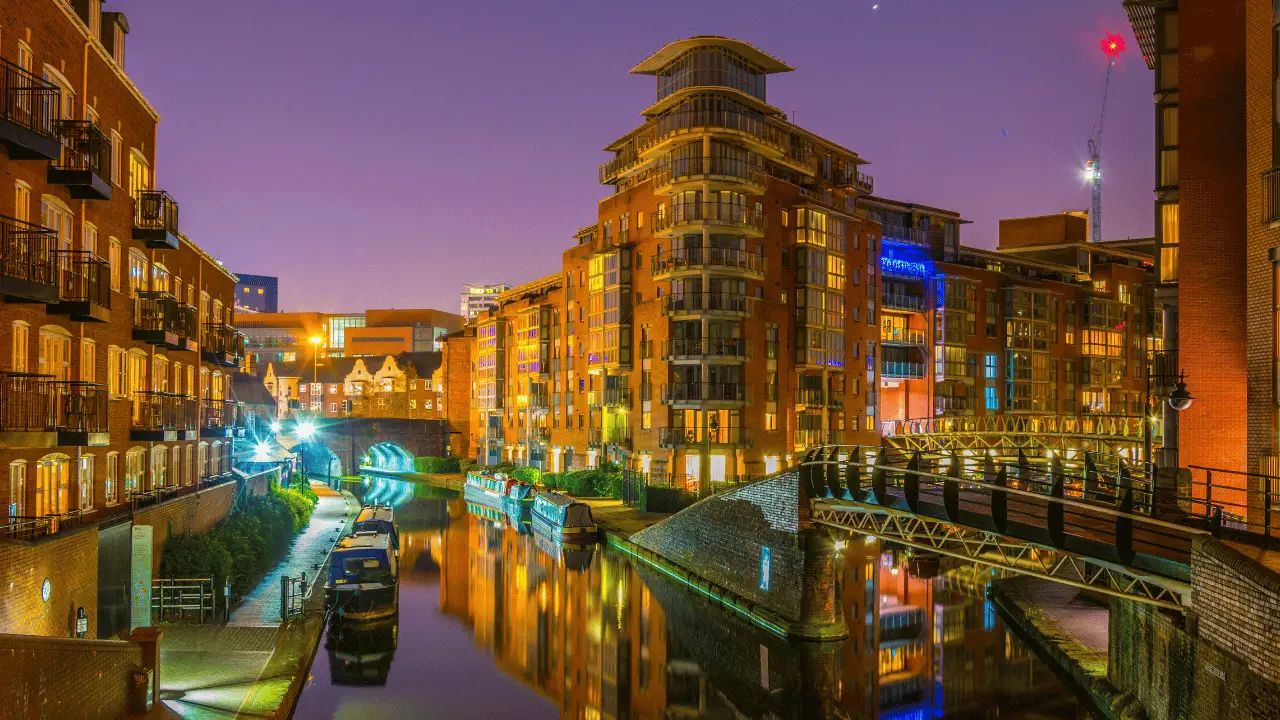
From Centenary Square, head down to the water. Birmingham's canals run right through the city centre, and the towpaths around Gas Street Basin and Brindleyplace are lined with bars, restaurants and narrowboats. Follow the canal south and you will reach the Mailbox, a former Royal Mail sorting office transformed into shops, restaurants and offices, with the gold-clad Cube building just beyond it.
The Jewellery Quarter
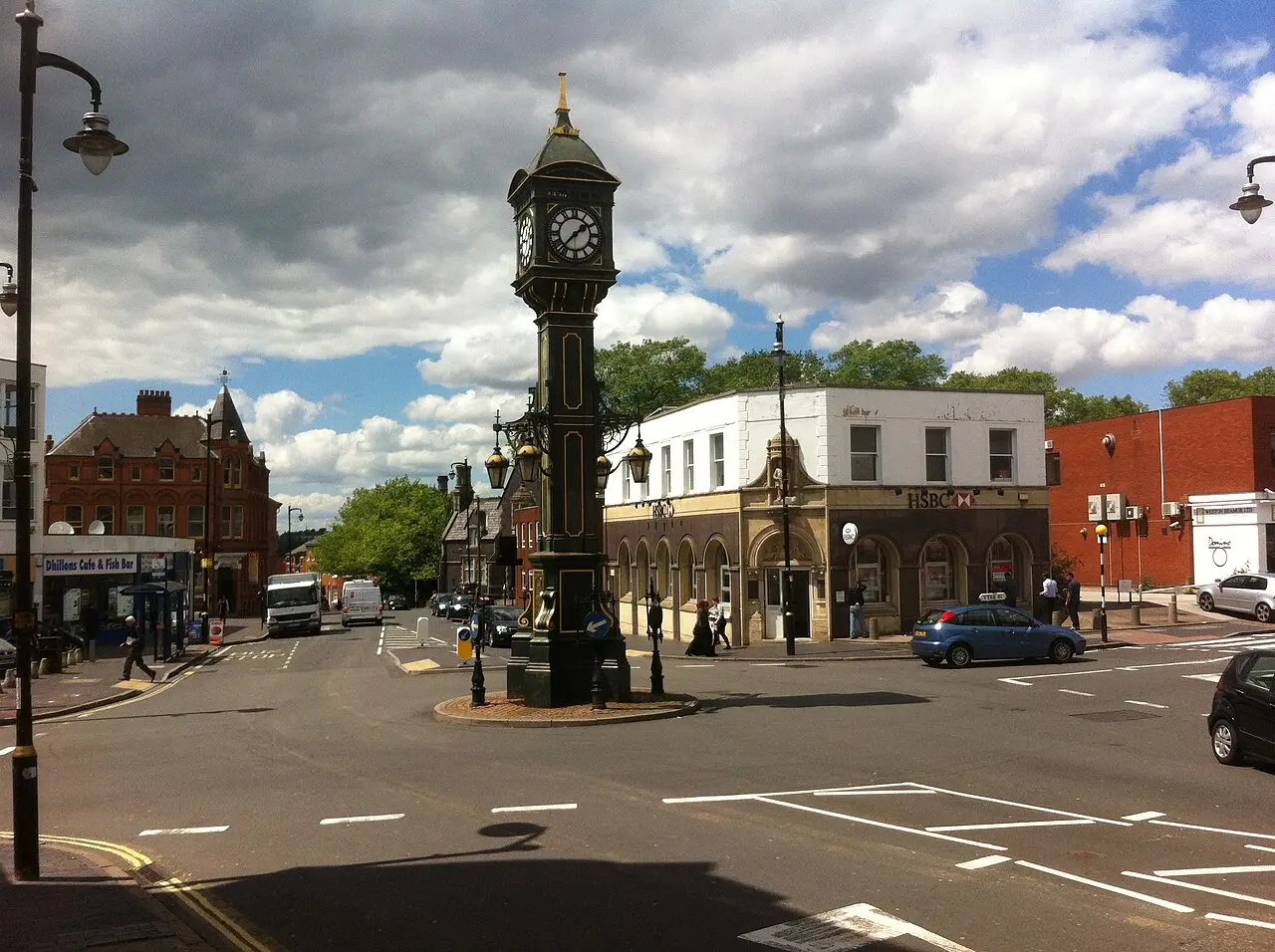
A short walk or tram ride north of the centre is the Jewellery Quarter, one of the most fascinating parts of the city. For more than two centuries it has been a hub for jewellers and metalworkers, and hundreds of businesses still work here today. Look for the Chamberlain Clock at the heart of the quarter, and do not miss the Museum of the Jewellery Quarter, where a workshop has been preserved almost exactly as its owners left it.
Nearby, the Coffin Works tells the story of a family firm that made coffin fittings, with a surprisingly moving and often humorous tour. The quarter also has excellent independent cafés, bars and restaurants, making it a great place to spend an afternoon.
Digbeth
To the east of the centre lies Digbeth, the city's creative quarter. Once a heartland of industry, it is now known for street art, music venues, independent businesses and a thriving food and drink scene. The Custard Factory, a former factory complex, is at its heart. Digbeth is at its liveliest in the evenings and at weekends.
Birmingham is not a city that gives itself away at first glance. Walk ten minutes in any direction from New Street and you will find a completely different side of it.
Food you should try
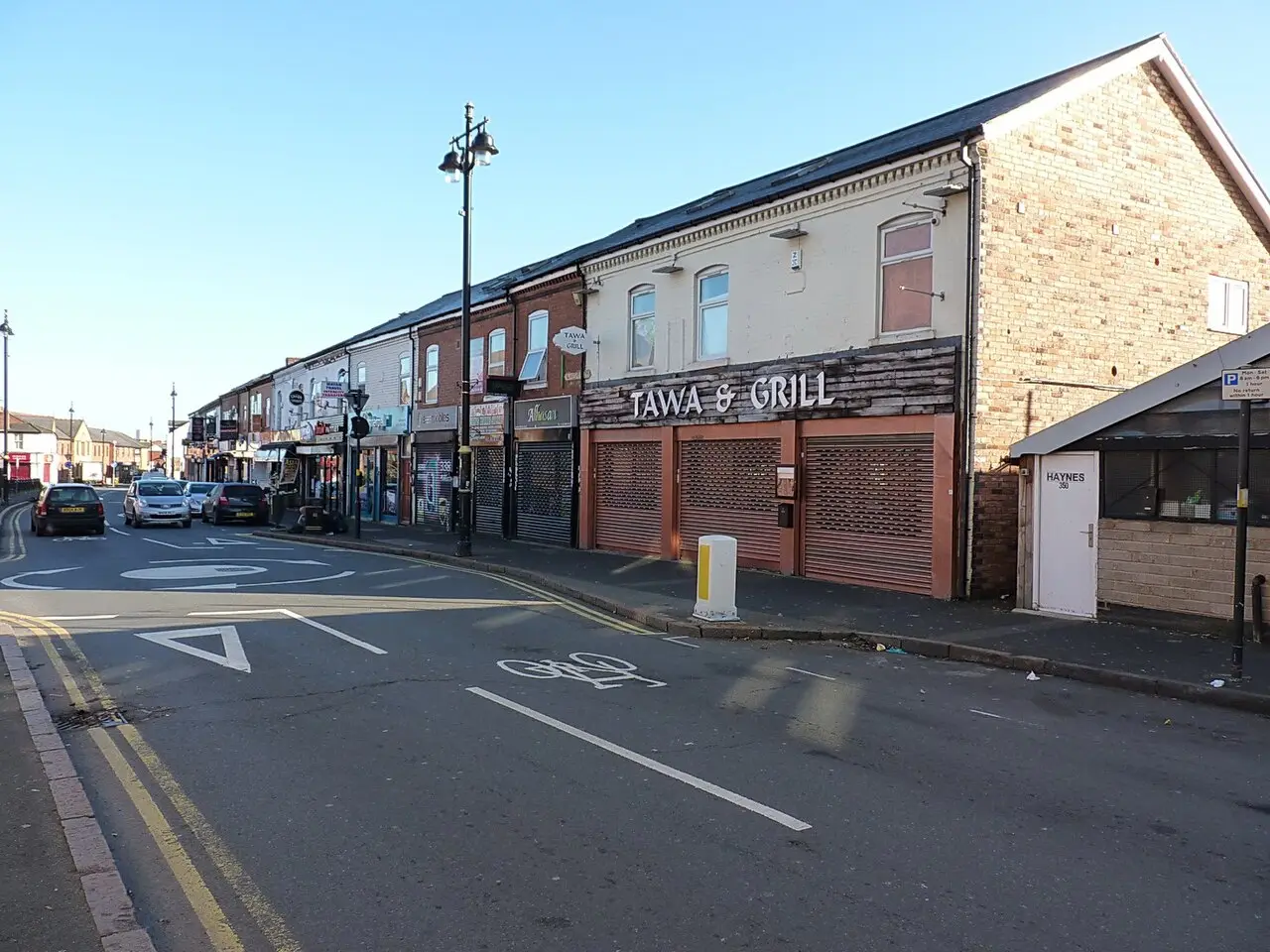
Birmingham's food scene is one of its great strengths. The city is famous as the home of the balti, a style of curry said to have been developed by Birmingham's Pakistani and Kashmiri communities in the 1970s. The so-called Balti Triangle, south of the city centre in Sparkbrook and Balsall Heath, is the place to try one. In the centre itself, you will find everything from street food halls to fine dining, with several restaurants having earned national recognition.
Getting around
- Walk. The city centre is compact, and walking is often quicker than any other option.
- Use the tram for trips to the Jewellery Quarter and along Broad Street.
- Buses connect the centre to the suburbs and are frequent on the main routes.
- Trains from New Street, Moor Street and Snow Hill reach many parts of the city, including Bournville and the University.
A perfect first day
Start with breakfast near New Street, then explore Victoria Square and the Library of Birmingham in the morning. Head down to the canals for lunch at Gas Street Basin, then walk or take the tram to the Jewellery Quarter for the afternoon. In the evening, choose between dinner by the water or a night out in Digbeth. By the end of the day, you will have seen enough to understand why so many people who visit Birmingham once find themselves coming back.
About the author
Discover Brum Editorial Team
The Discover Brum editorial team covers the people, places and stories that make Birmingham - from its canals and landmarks to the pubs, food and events worth knowing about. Got a story the city should hear? We would love to hear from you.
Featured posts
-
Things to do
Top 10 places to visit in Birmingham
-
Food and drink
The 12 most popular food spots in Birmingham
-
Things to do
The best laser tag locations in Birmingham
Keep reading
More from the blog
 Guides and How To
A day along the Birmingham canals
Ask anyone who has lived here a while and they will tell you the same thing: the best way to understand Birmingham is from the water's edge. The city grew up around its c...
Discover Brum Editorial Team
5 min read
 Events and Whats On
Birmingham after dark: where to see the city lit up
Birmingham is a different city after sunset. The concrete and glass that can look workmanlike by day turns theatrical once the lights come on, and places you walk past wi...
Discover Brum Editorial Team
5 min read
 History
Victoria Square and the Council House: a short history
Every city has a room where it receives its guests, and in Birmingham that room is Victoria Square. Framed by the Council House, the Town Hall and the old Post Office bui...
Discover Brum Editorial Team
5 min read
 Culture and Heritage
Inside the Library of Birmingham
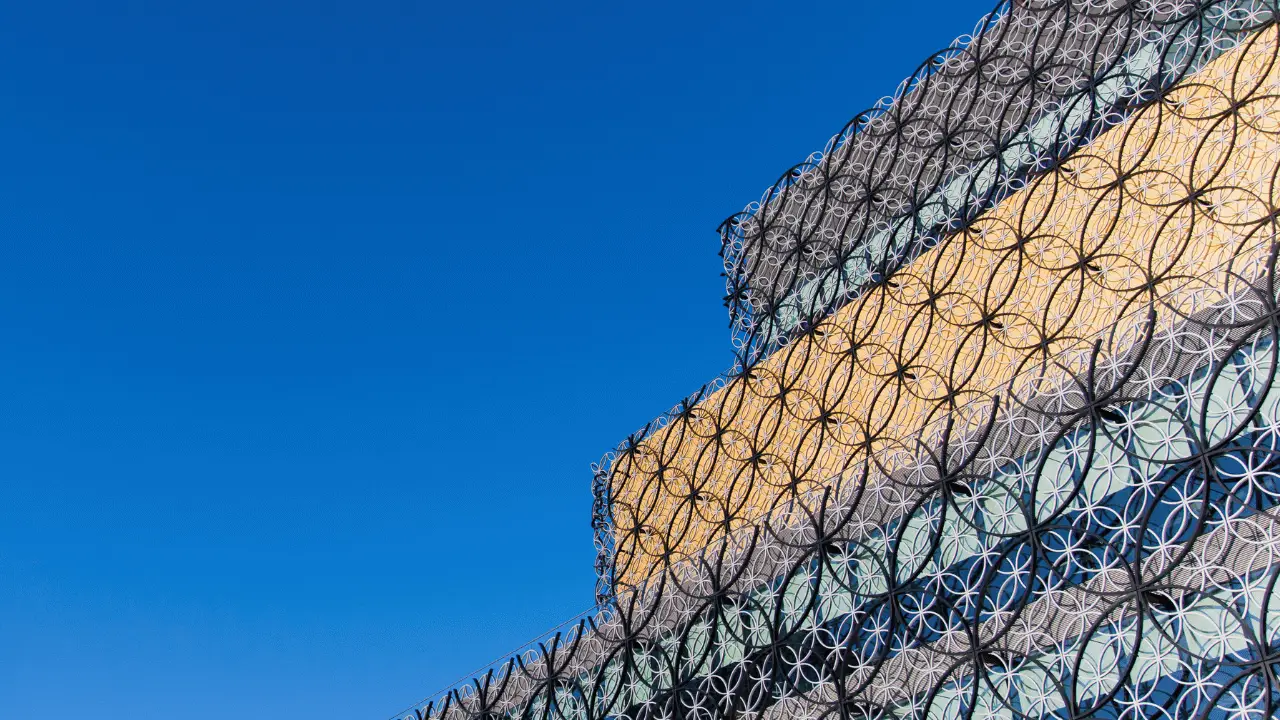
Few buildings in Birmingham have divided opinion quite like the Library of Birmingham. When it opened in 2013, its stacked boxes and lace-like metal rings were unlike any...
Discover Brum Editorial Team
5 min read
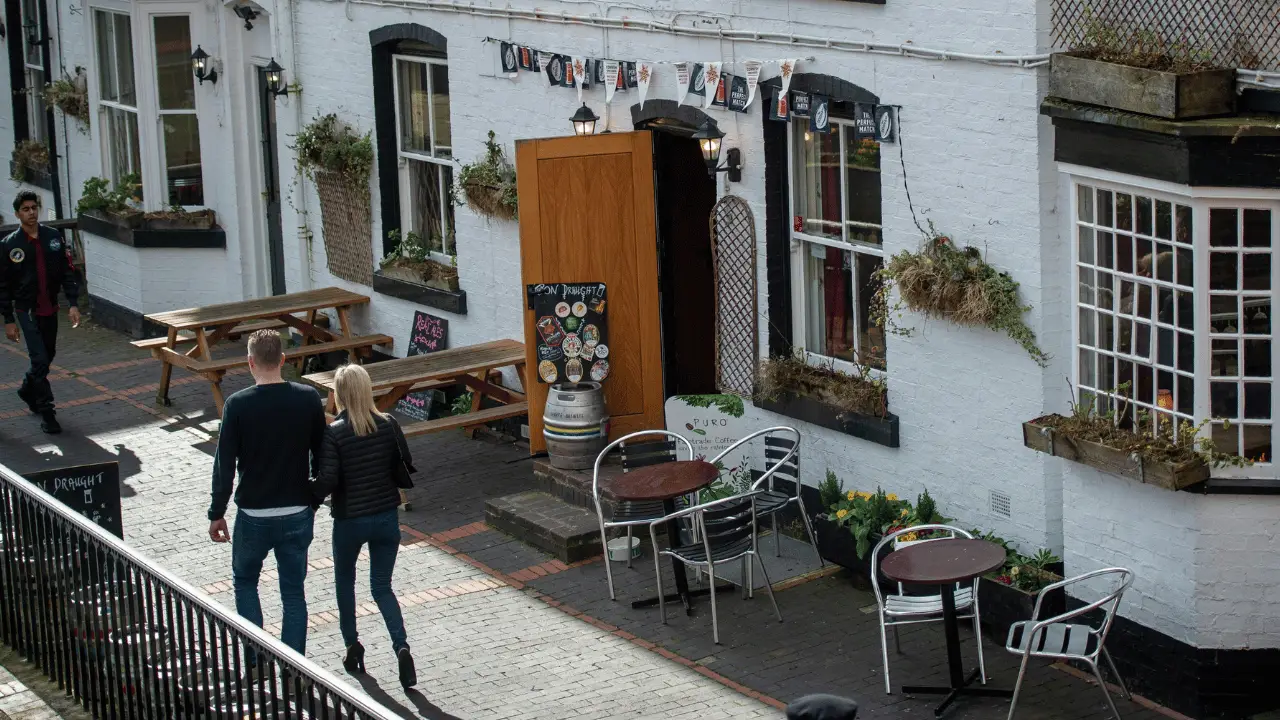 Food and Drink
Five historic Birmingham pubs worth seeking out
Birmingham has never been short of places to drink, but the city's historic pubs are something special. Hidden among office blocks, tucked down side streets and standing...
Discover Brum Editorial Team
5 min read
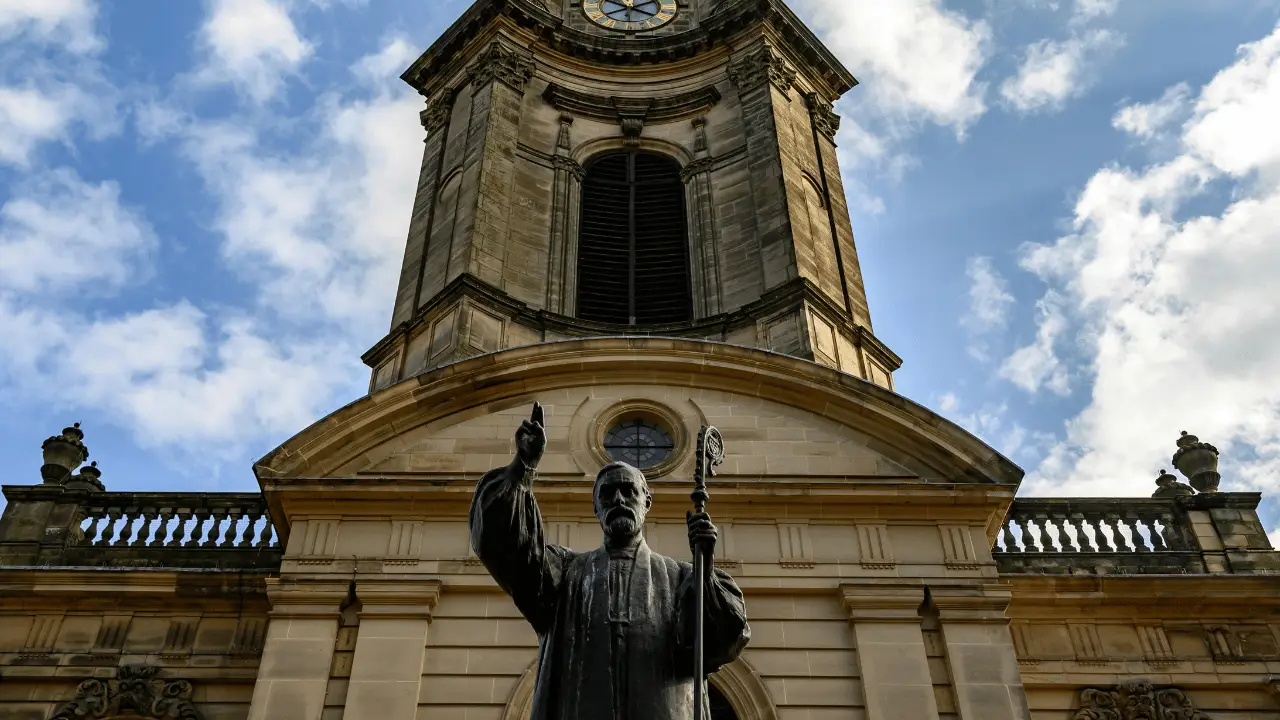 Faith and Belief
St Philip's Cathedral and its Burne-Jones windows
In the middle of Birmingham's business district, surrounded by office workers eating lunch on the grass, stands one of the city's quiet treasures. St Philip's Cathedral i...
Discover Brum Editorial Team
4 min read
 Transport and Travel
Cycling Birmingham's towpaths: a beginner's guide
If you have ever sat in traffic on the Bristol Road and wished there was a calmer way across the city, the answer has been running alongside you the whole time. Birmingha...
Discover Brum Editorial Team
5 min read
Hand-picked guides
More featured posts
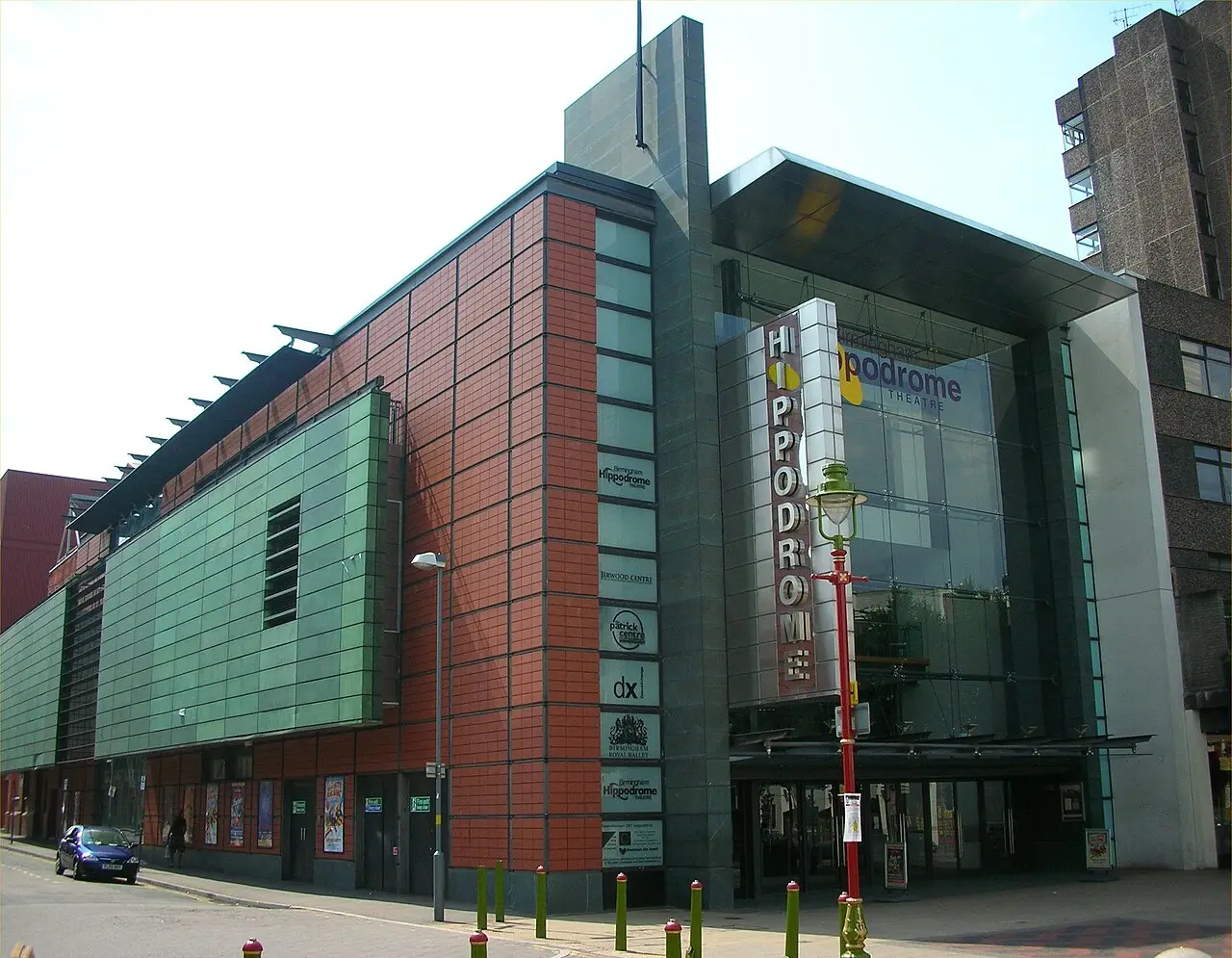
Culture
Birmingham culture: a guide to the city's creative life
A world-class orchestra, a royal ballet, the birthplace of heavy metal and the traditions of communities from across the globe.
3 min read
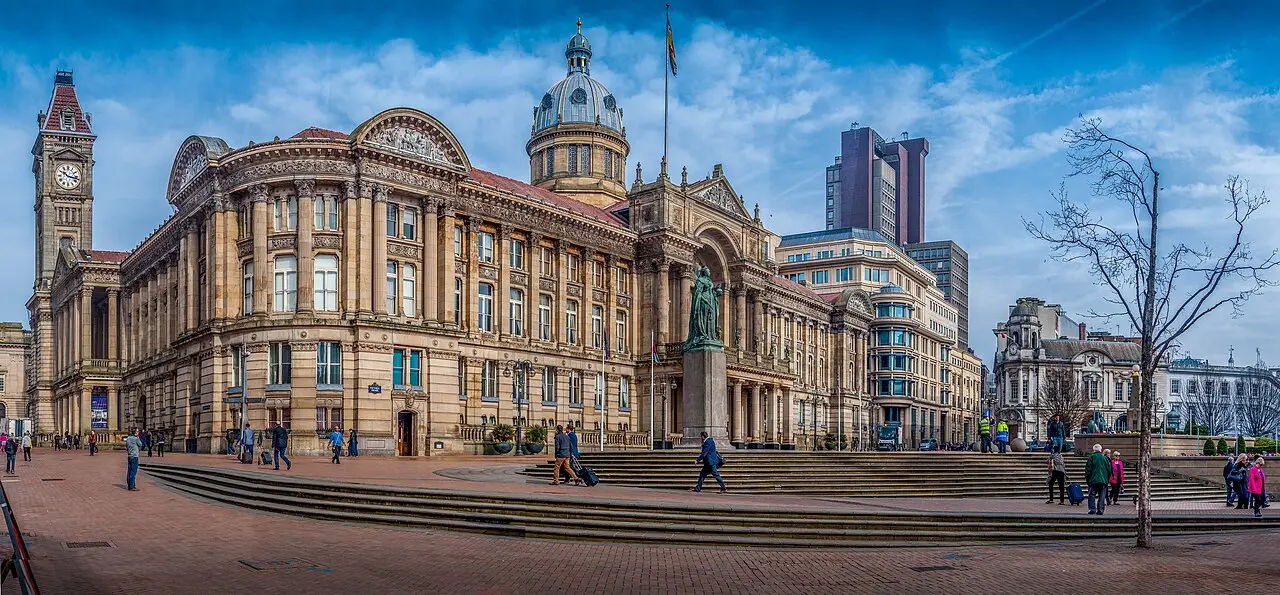
History
Birmingham history in the 1900s
Two world wars, the rise of the car, the Bull Ring and the ring road: how the twentieth century transformed Birmingham.
3 min read
Neighbourhoods
Exploring the Jewellery Quarter
Working jewellers, a workshop frozen in 1981, Georgian squares and Victorian catacombs: a guide to one of Birmingham's best neighbourhoods.
3 min read

Things to do
Birmingham's canals: a guide to the waterways
Built for coal and iron, reborn for walkers and narrowboats: how to explore the canals at the heart of the city.
3 min read
Food and drink
The Balti Triangle: Birmingham's gift to food
The balti was born in Birmingham. Here is where it came from, what makes it different, and where to eat one today.
3 min read
History
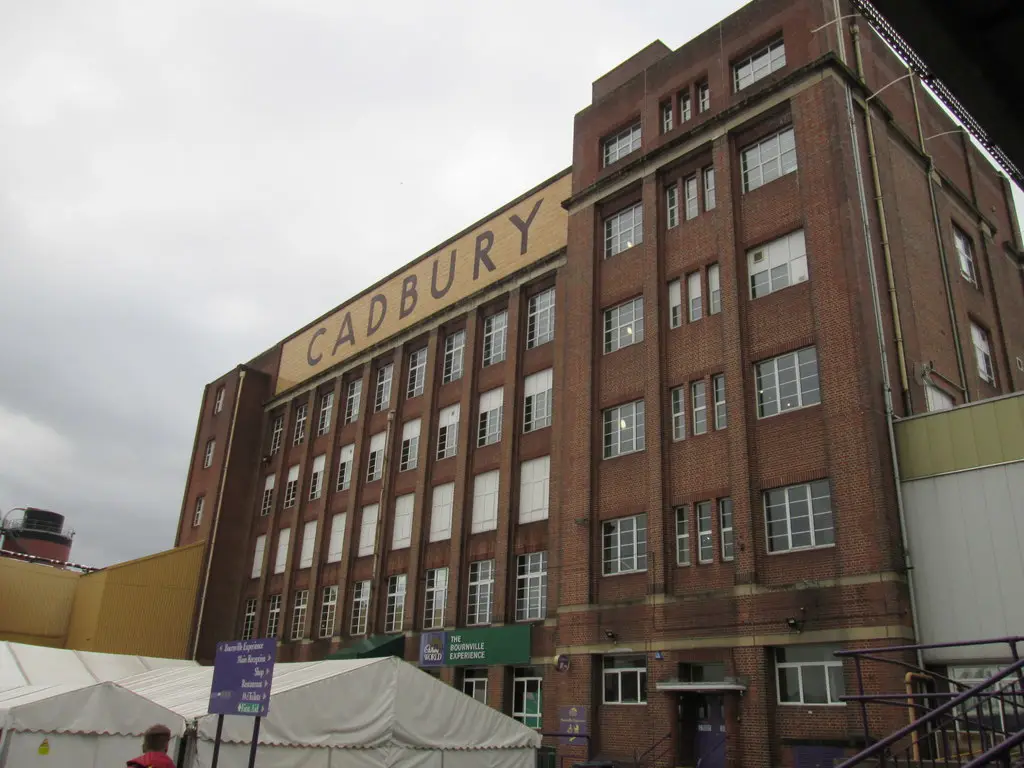
Cadbury and Bournville: the chocolate village
From a shop on Bull Street in 1824 to a factory in a garden: the story of Cadbury and the model village it built.
3 min read

Outdoors
Birmingham's best parks and green spaces
Heathland, ancient woodland, Victorian parks and a bog that inspired Tolkien: the best places to escape the city.
3 min read
History
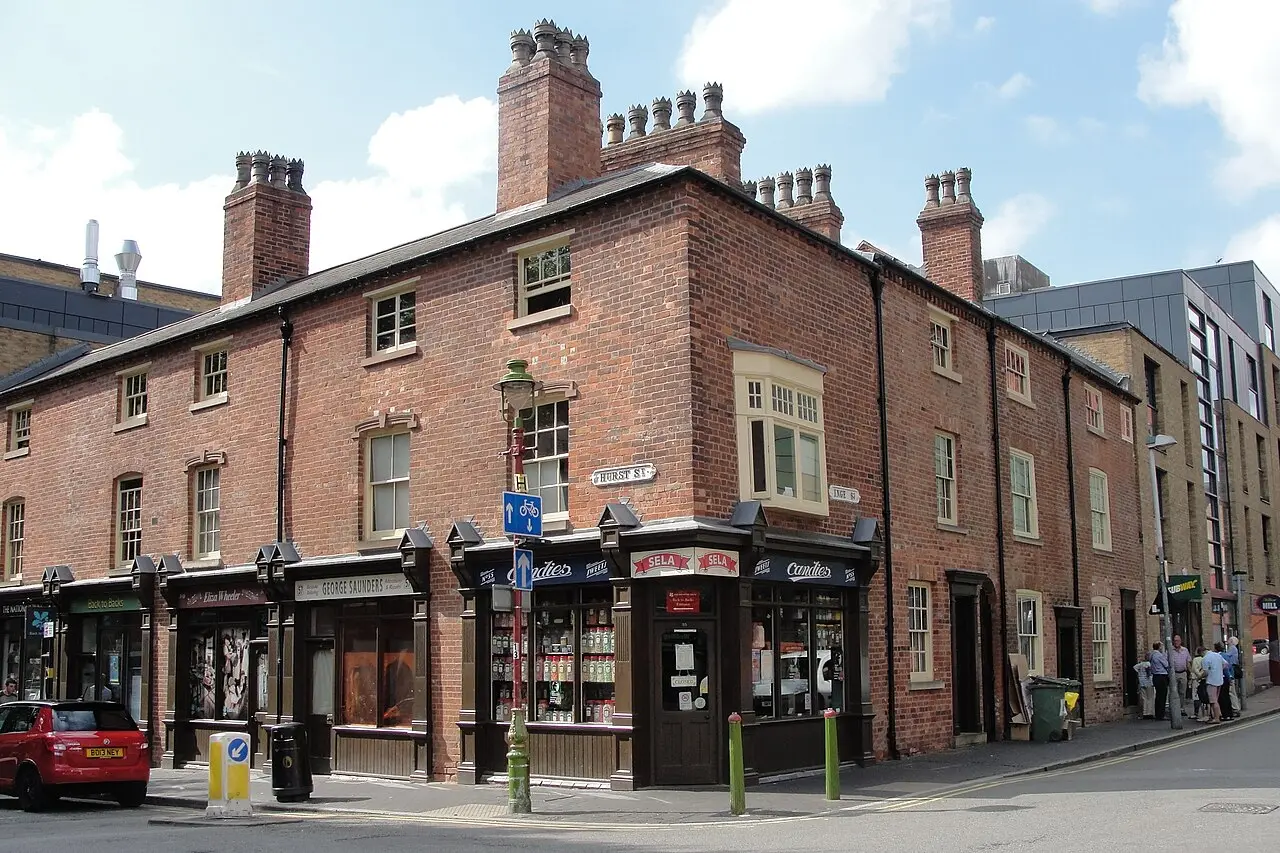
The real history of the Peaky Blinders
Peaked caps, bell-bottoms and a famous myth about razor blades: what we really know about Birmingham's street gangs.
3 min read

Culture
Birmingham's music heritage
Heavy metal, reggae, new romantics and more: the bands and artists Birmingham gave the world.
3 min read

Culture
Museums and galleries in Birmingham
Pre-Raphaelites, Anglo-Saxon gold, a Spitfire and a workshop left untouched since 1981: the city's best museums, many of them free.
3 min read