

Ask anyone who has lived here a while and they will tell you the same thing: the best way to understand Birmingham is from the water's edge. The city grew up around its canals, and although the working boats have long gone, the towpaths still thread through the centre like a quiet back route that most visitors never find. Give yourself a full day, a comfortable pair of shoes and no fixed plan, and the canals will show you a side of the city that the ring road never could.
Start at Gas Street Basin
Gas Street Basin is the natural place to begin. Tucked down a slope just off Broad Street, it feels a world away from the traffic above. Narrowboats line the moorings, many of them lived in all year round, with herbs growing on their roofs and smoke curling from their chimneys on colder mornings. The name comes from the gas lamps that once lit the street above, and the old brick warehouses around the basin have been turned into pubs, restaurants and offices without losing their character.
Look out for the Worcester Bar, a narrow strip of land that once separated two rival canal companies. For years, goods had to be hauled across it by hand because neither company would let the other's water into its channel. A stop lock was eventually cut through in the early nineteenth century, and you can still stand on the spot where two networks finally met. It is a small reminder that Birmingham's famous business sense has always had a competitive edge.

Brindleyplace and the Old Turn Junction
Follow the towpath north and within a few minutes you reach Brindleyplace, named after James Brindley, the engineer behind the original Birmingham Canal in the 1760s. This is the busiest stretch of the network, with café terraces spilling onto the water and footbridges criss-crossing overhead. It is a good place for a coffee, and if you are here in the morning the light across the water is lovely.
Just beyond is the Old Turn Junction, where several routes meet around a small roundabout island. The signpost in the middle is one of the most photographed spots on the network, pointing boaters towards destinations across the country. Stand here for a moment and watch the boats negotiate the turn. There is an unhurried rhythm to it that makes a welcome change from the city streets.
While you are in Brindleyplace, it is worth stepping off the towpath to visit the Ikon Gallery, housed in a handsome Victorian former school building. Entry to the main galleries is usually free, and the contemporary exhibitions change regularly.
The Roundhouse and Sheepcote Street
A short walk further along brings you to the Roundhouse on Sheepcote Street. Built in the 1870s as stables and stores for the council, it has a distinctive horseshoe shape that is best appreciated from the canal side. Today it is looked after by the Canal and River Trust and the National Trust, and it has become a base for walking tours, kayaking sessions and guided trips that explain how the network shaped the city.
If you only book one activity during your day, make it one of the tours that start here. The guides are full of stories about the people who worked the boats, the goods they carried and the tough conditions they faced. It adds real depth to what you are seeing.
Farmer's Bridge Locks
For something a little quieter, head along to Farmer's Bridge Locks, a flight of thirteen locks that drops the canal down through the city towards Aston. The towpath here passes beneath office buildings and road bridges, and at times you feel almost hidden from the city around you. Watching a boat work its way down the flight is fascinating, and crews are usually happy to chat about what they are doing.
Birmingham is often said to have more miles of canal than Venice. Whether or not you count them, walking the towpaths makes the comparison feel less like a boast and more like a fact.
Where to eat and drink
You will not go hungry. Gas Street Basin and Brindleyplace have plenty of options, from casual cafés to sit-down restaurants with canalside tables. For something more laid back, pick up food to take away and find a bench by the water. On a warm evening, the terraces around the basin fill up quickly, so it is worth arriving a little early if you want a spot outside.
- Morning: coffee and pastries around Brindleyplace before the crowds arrive.
- Lunch: a pub lunch near Gas Street Basin, ideally at a table by the water.
- Evening: a drink on a terrace as the lights come on across the basin.
Practical tips
The towpaths are flat and generally easy to walk, but they can be narrow in places and slippery after rain. Keep an eye out for cyclists, give way to people working the locks and remember that the edge has no railings. If you are walking with children or dogs, keep them close, especially around the lock gates.
Most of the central network is well lit and busy during the day, but some stretches are quieter in the evenings. As with anywhere in a city, stick to the busier sections after dark and let someone know your plans if you are heading further out.
Finally, do not try to see everything. The joy of the canals is in slowing down. Stop when something catches your eye, follow a side branch if it looks interesting and let the day unfold. By the time you climb back up the steps to Broad Street, you will see Birmingham a little differently.
About the author
Discover Brum Editorial Team
The Discover Brum editorial team covers the people, places and stories that make Birmingham - from its canals and landmarks to the pubs, food and events worth knowing about. Got a story the city should hear? We would love to hear from you.
Featured posts
-
Things to do
Top 10 places to visit in Birmingham
-
Food and drink
The 12 most popular food spots in Birmingham
-
Things to do
The best laser tag locations in Birmingham
Keep reading
More from the blog
 Guides and How To
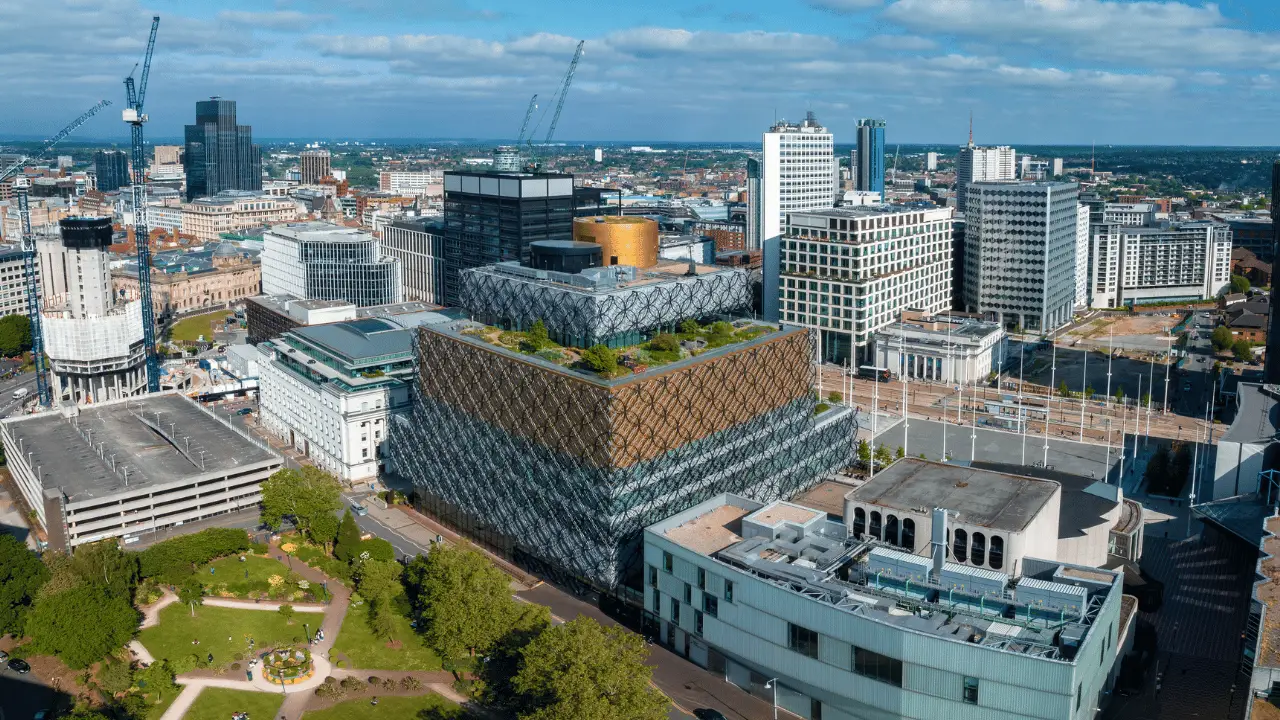
A first-timer's guide to Birmingham city centre
Birmingham has spent years shaking off an outdated reputation, and first-time visitors are often surprised by what they find. The city centre is compact, walkable and pac...
Discover Brum Editorial Team
5 min read
 Events and Whats On
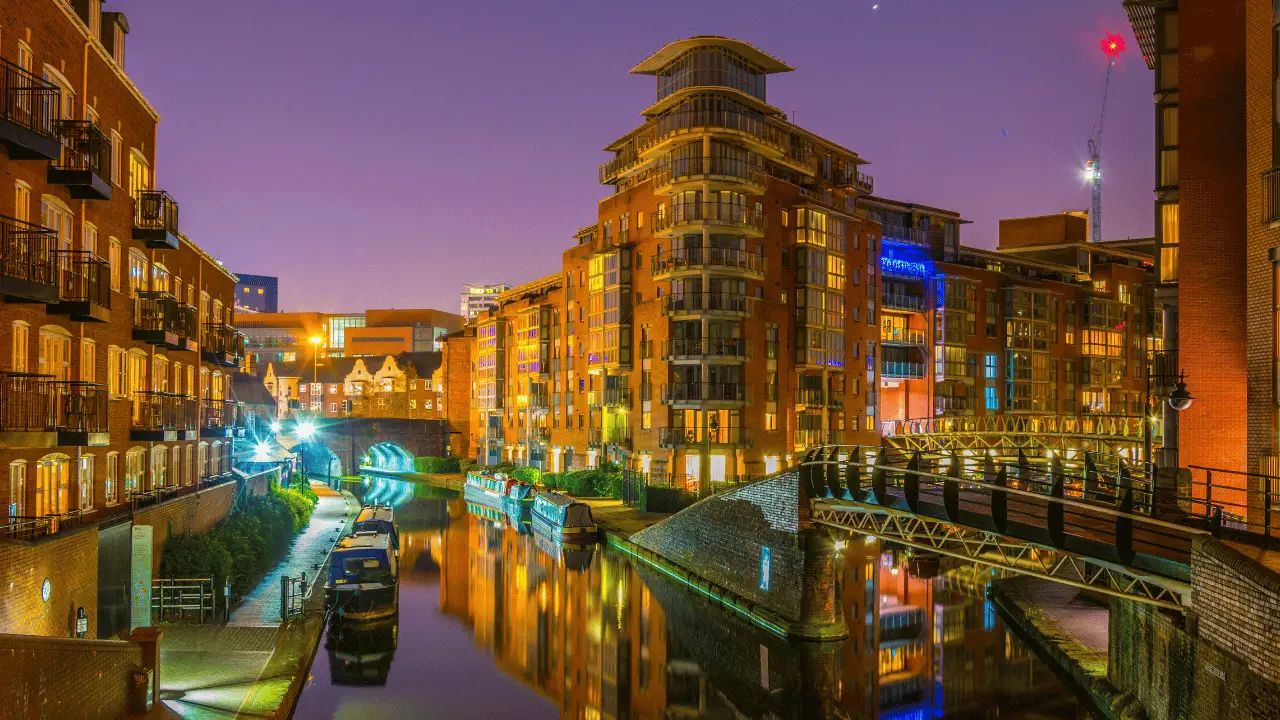
Birmingham after dark: where to see the city lit up
Birmingham is a different city after sunset. The concrete and glass that can look workmanlike by day turns theatrical once the lights come on, and places you walk past wi...
Discover Brum Editorial Team
5 min read
 History
Victoria Square and the Council House: a short history
Every city has a room where it receives its guests, and in Birmingham that room is Victoria Square. Framed by the Council House, the Town Hall and the old Post Office bui...
Discover Brum Editorial Team
5 min read
 Culture and Heritage
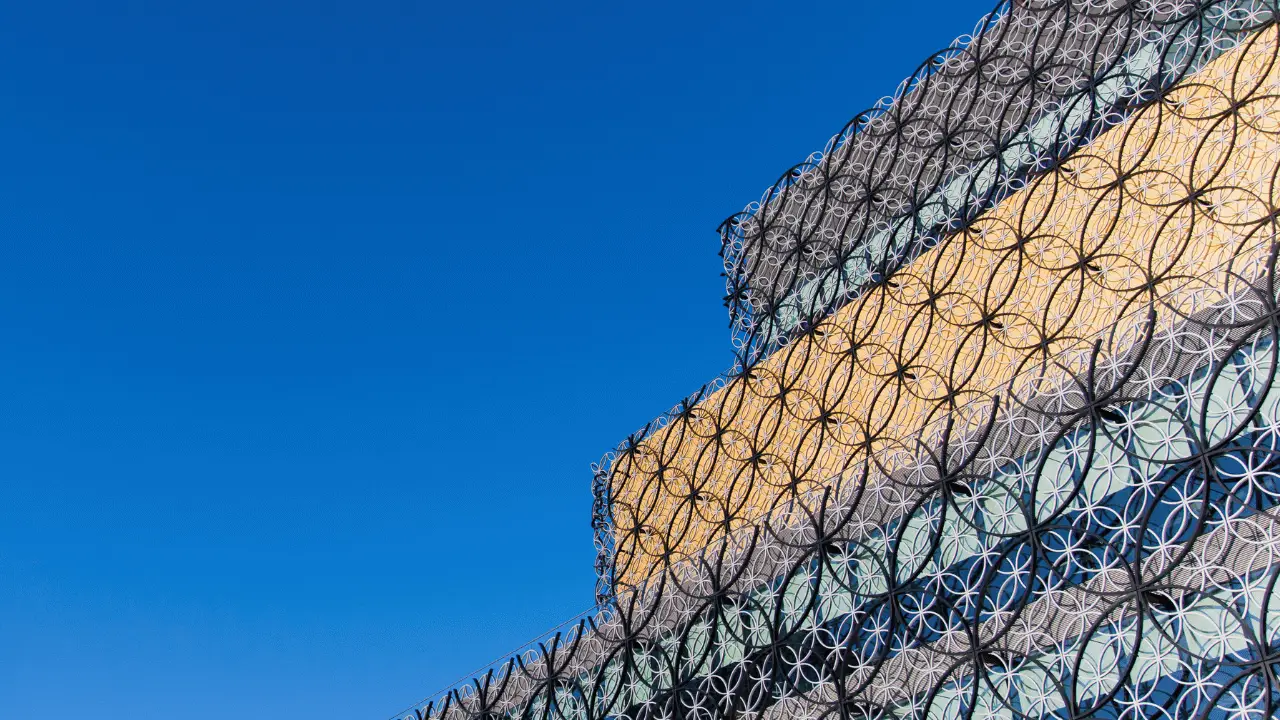
Inside the Library of Birmingham
Few buildings in Birmingham have divided opinion quite like the Library of Birmingham. When it opened in 2013, its stacked boxes and lace-like metal rings were unlike any...
Discover Brum Editorial Team
5 min read
 Food and Drink
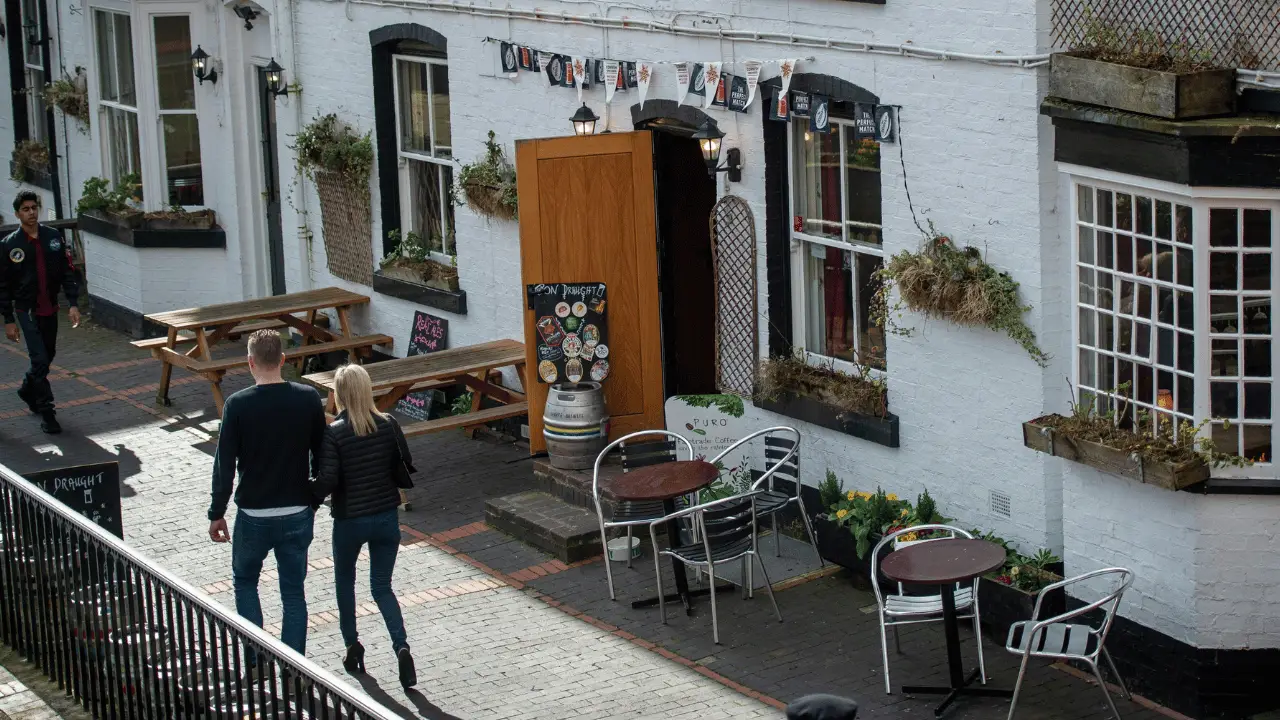
Five historic Birmingham pubs worth seeking out
Birmingham has never been short of places to drink, but the city's historic pubs are something special. Hidden among office blocks, tucked down side streets and standing...
Discover Brum Editorial Team
5 min read
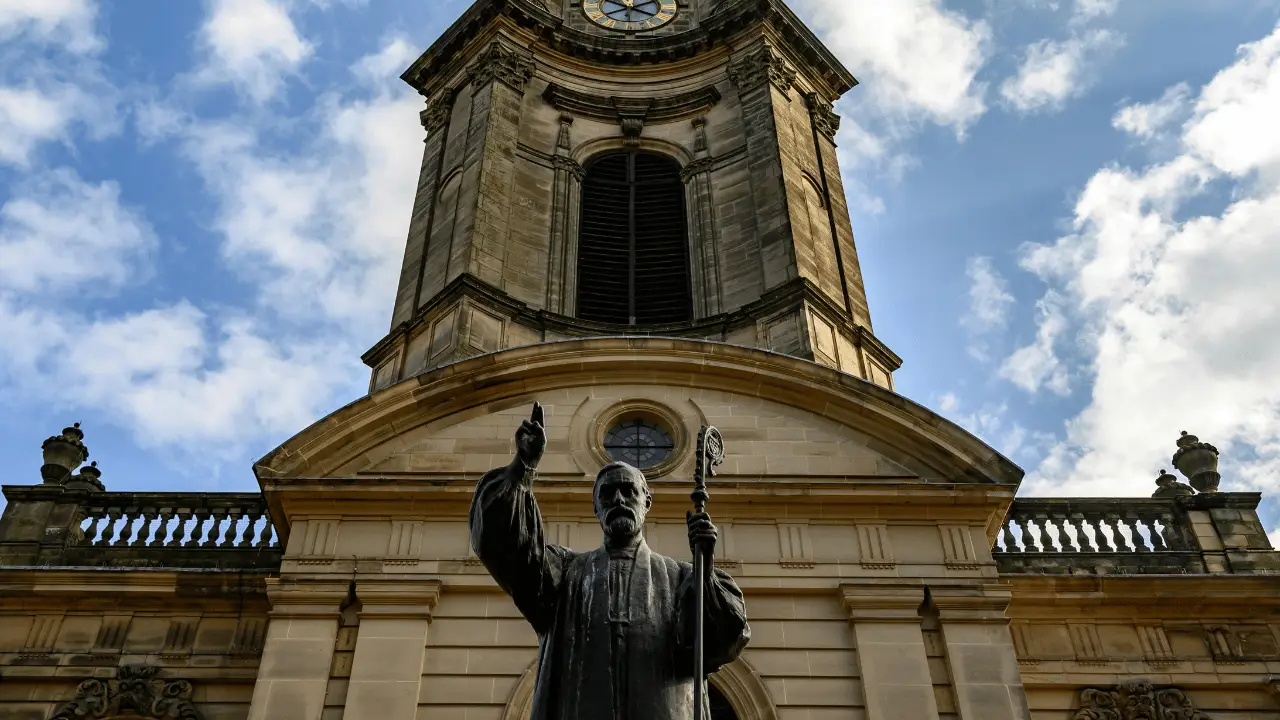 Faith and Belief
St Philip's Cathedral and its Burne-Jones windows
In the middle of Birmingham's business district, surrounded by office workers eating lunch on the grass, stands one of the city's quiet treasures. St Philip's Cathedral i...
Discover Brum Editorial Team
4 min read
Transport and Travel
Cycling Birmingham's towpaths: a beginner's guide
If you have ever sat in traffic on the Bristol Road and wished there was a calmer way across the city, the answer has been running alongside you the whole time. Birmingha...
Discover Brum Editorial Team
5 min read
Hand-picked guides
More featured posts
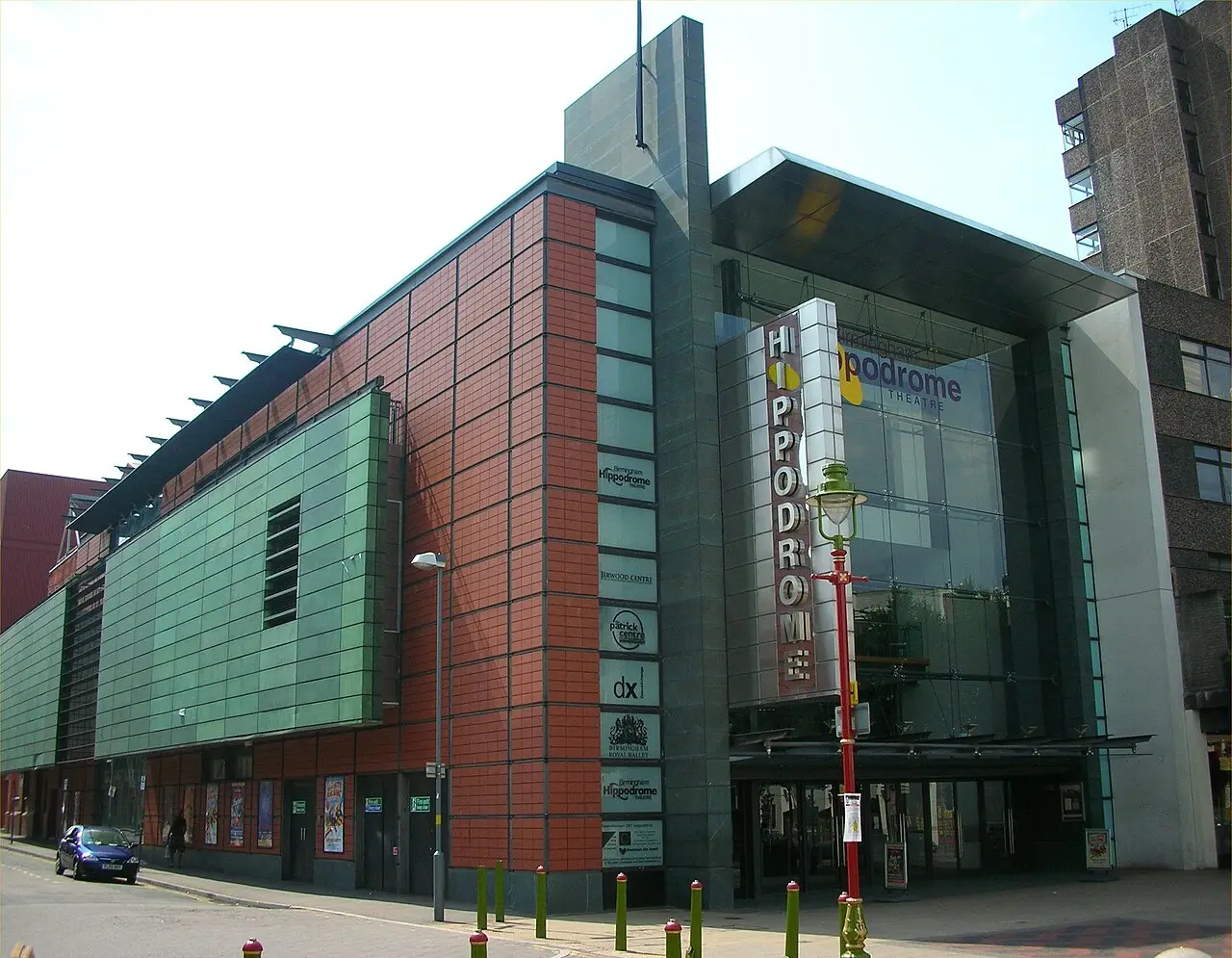
Culture
Birmingham culture: a guide to the city's creative life
A world-class orchestra, a royal ballet, the birthplace of heavy metal and the traditions of communities from across the globe.
3 min read
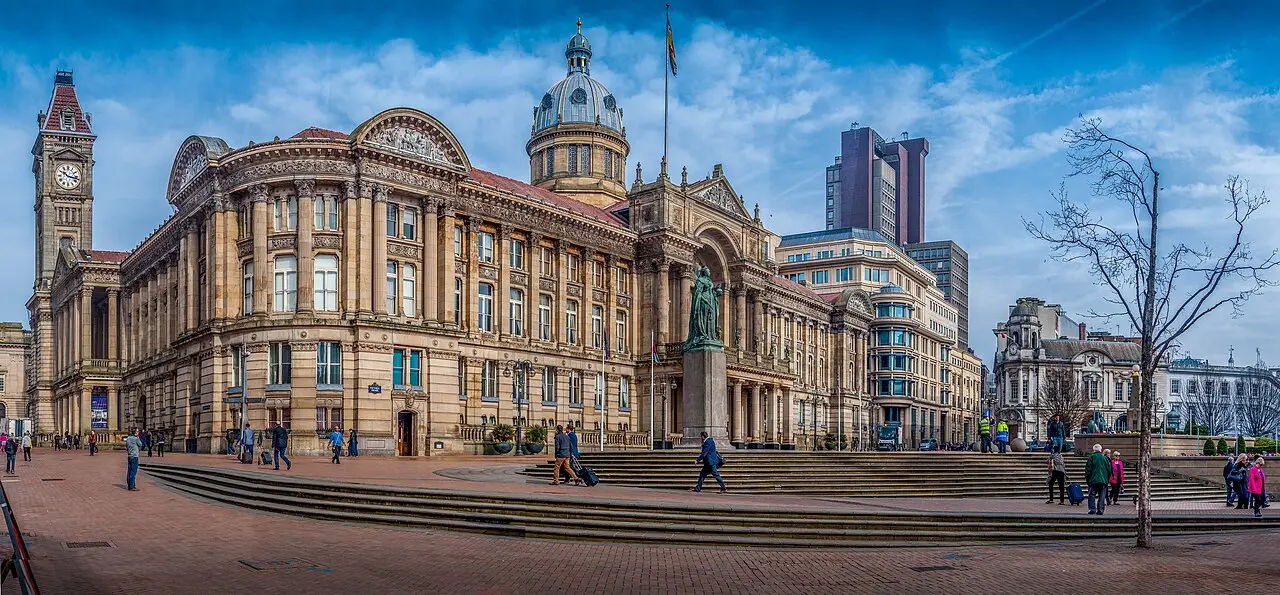
History
Birmingham history in the 1900s
Two world wars, the rise of the car, the Bull Ring and the ring road: how the twentieth century transformed Birmingham.
3 min read
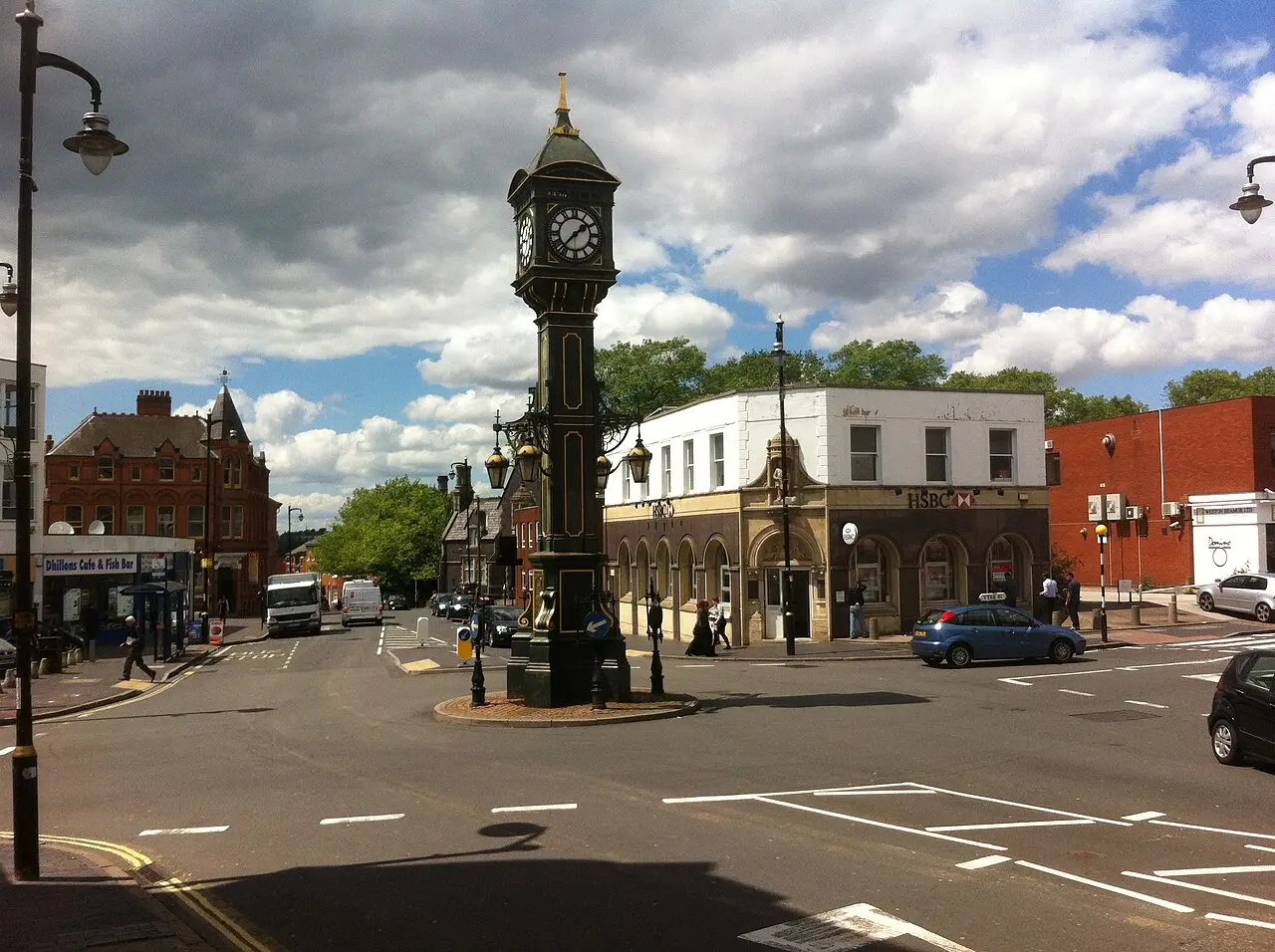
Neighbourhoods
Exploring the Jewellery Quarter
Working jewellers, a workshop frozen in 1981, Georgian squares and Victorian catacombs: a guide to one of Birmingham's best neighbourhoods.
3 min read

Things to do
Birmingham's canals: a guide to the waterways
Built for coal and iron, reborn for walkers and narrowboats: how to explore the canals at the heart of the city.
3 min read
Food and drink
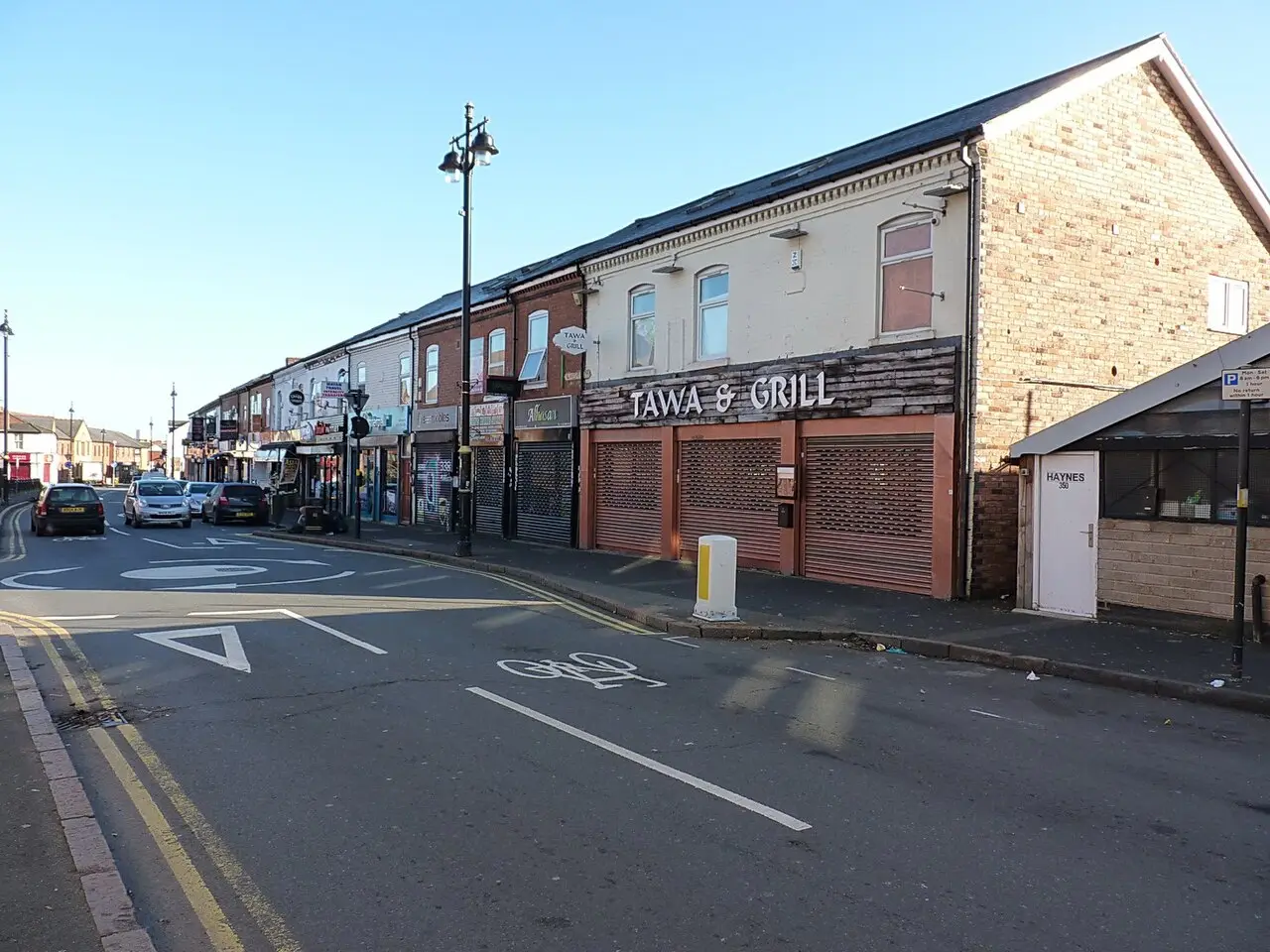
The Balti Triangle: Birmingham's gift to food
The balti was born in Birmingham. Here is where it came from, what makes it different, and where to eat one today.
3 min read
History
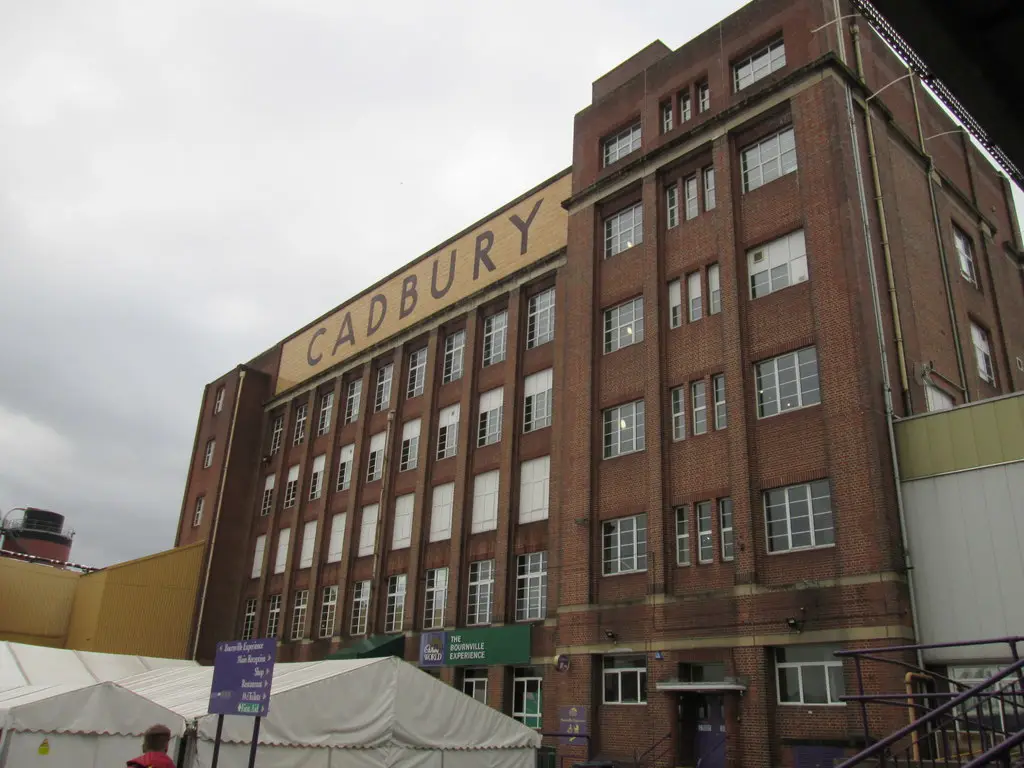
Cadbury and Bournville: the chocolate village
From a shop on Bull Street in 1824 to a factory in a garden: the story of Cadbury and the model village it built.
3 min read

Outdoors
Birmingham's best parks and green spaces
Heathland, ancient woodland, Victorian parks and a bog that inspired Tolkien: the best places to escape the city.
3 min read
History
The real history of the Peaky Blinders
Peaked caps, bell-bottoms and a famous myth about razor blades: what we really know about Birmingham's street gangs.
3 min read

Culture
Birmingham's music heritage
Heavy metal, reggae, new romantics and more: the bands and artists Birmingham gave the world.
3 min read

Culture
Museums and galleries in Birmingham
Pre-Raphaelites, Anglo-Saxon gold, a Spitfire and a workshop left untouched since 1981: the city's best museums, many of them free.
3 min read