The real history of the Peaky Blinders
Peaked caps, bell-bottoms and a famous myth about razor blades: what we really know about Birmingham's street gangs.
The television series Peaky Blinders made Birmingham famous around the world. Its story of the Shelby family and their gang in Small Heath after the First World War was drama, but it drew on real history. Here is what we know about the real Peaky Blinders.
Street gangs of Victorian Birmingham
In the late 19th century, Birmingham's crowded working-class districts were home to youth gangs, often known as sloggers. By the 1890s, the name Peaky Blinders was being used for gangs of young men in areas such as Small Heath and Bordesley.
They were known for their distinctive style: peaked caps, bell-bottomed trousers, silk scarves and heavy boots. The gangs fought over territory, attacked police officers and were involved in theft and violence.
The razor blade myth
One of the most famous stories about the Peaky Blinders is that they sewed razor blades into the peaks of their caps to use as weapons. Historians believe this is a myth. Razor blades were an expensive luxury at the time. The name probably came from the peaked caps themselves, or from the slang word blinder, meaning something striking or dapper.
The real gangs fade
By the time of the First World War, the original Peaky Blinders had largely disappeared. Police crackdowns, harsher sentences and changes in society all played a part.
In the 1920s, Birmingham's underworld was dominated by the Birmingham Boys, led by Billy Kimber, who ran protection rackets at racecourses across the country. The TV series borrowed Kimber's name for one of its characters.
The TV series
Peaky Blinders was created by the Birmingham-raised writer Steven Knight and first broadcast on the BBC in 2013. It ran for six series, starring Cillian Murphy as Tommy Shelby, and became a global hit. A film continuing the story has been made.
Although it is set in Birmingham, much of the series was filmed elsewhere, including at the Black Country Living Museum and in Liverpool and Manchester.
A Birmingham phenomenon
The success of the series brought a wave of interest in Birmingham's history. Visitors come looking for the streets of Small Heath, and themed tours, events and bars have sprung up around the city.
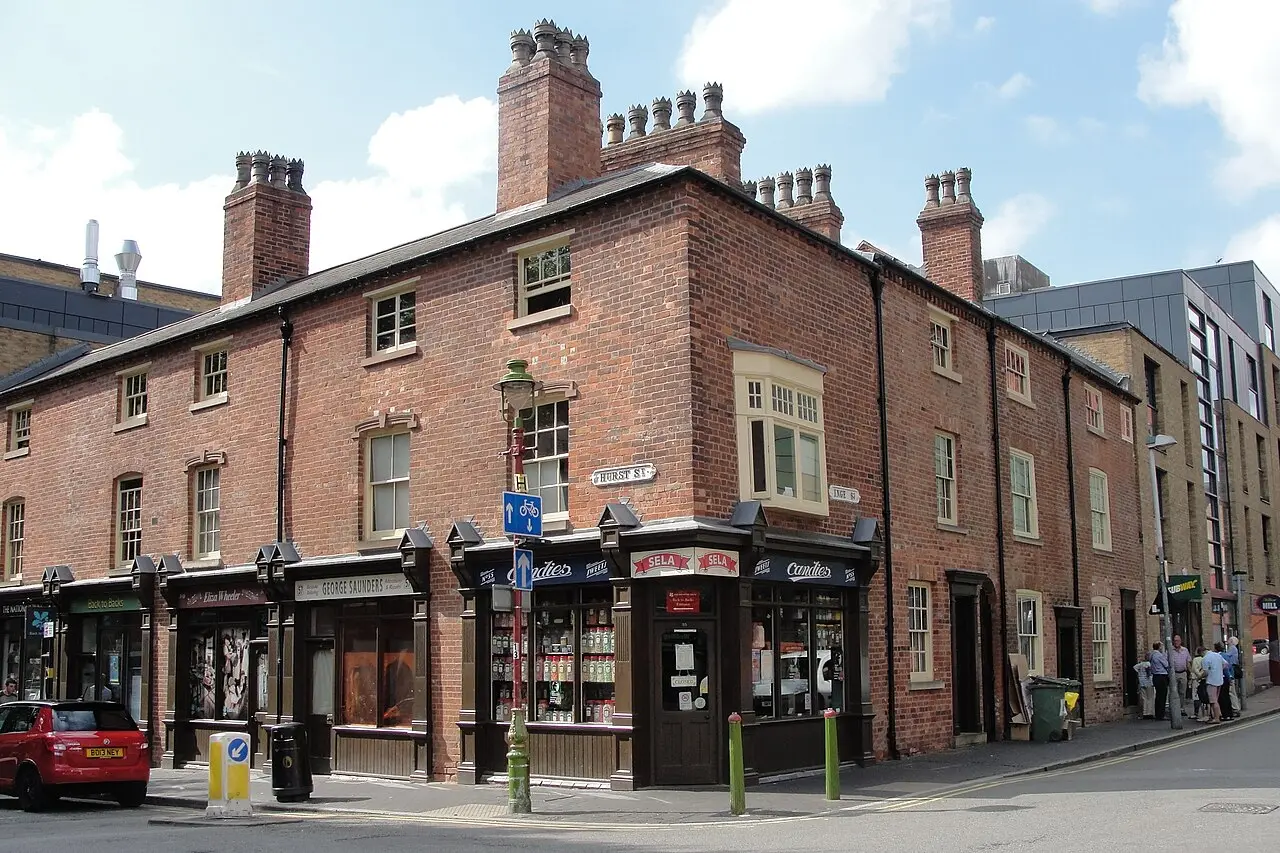
The Birmingham Back to Backs on Hurst Street give a real sense of how working families lived at the time, and are a good place to learn about life in the city's crowded courts.
Separating fact from fiction
The real Peaky Blinders were not glamorous. They were young men from poor backgrounds, and their violence caused real harm. But their story, and the drama it inspired, has become part of how the world sees Birmingham.
For a deeper understanding, the Library of Birmingham's archives hold newspapers and records from the period, and local historians have written widely about the gangs.