Exploring the Jewellery Quarter
Working jewellers, a workshop frozen in 1981, Georgian squares and Victorian catacombs: a guide to one of Birmingham's best neighbourhoods.
Just a short walk from the city centre, the Jewellery Quarter is one of Birmingham's most fascinating neighbourhoods. For more than 250 years, its workshops have made jewellery, coins, buttons, pens and badges, and it still produces a large share of the jewellery made in Britain. Today it combines working craftspeople with independent shops, bars, restaurants and some of the city's finest Georgian and Victorian buildings.
How it began
The area grew up in the 18th century on land owned by the Colmore family. Wealthy families built fine houses around St Paul's Square, but as the century went on, back gardens filled with workshops, and the quarter became a centre for the toy trade, the name then used for small metal goods.
In 1773, after a campaign led by the industrialist Matthew Boulton, Birmingham was given its own Assay Office to test and hallmark precious metals. The Assay Office, now based in the quarter, is the busiest in the world, and its anchor mark can be found on silver and gold across the globe.
The Museum of the Jewellery Quarter
The best place to start is the Museum of the Jewellery Quarter on Vyse Street. When the owners of the Smith and Pepper jewellery firm retired in 1981, they locked the doors and left everything as it was. Guided tours take you into the workshop, where tools, benches and even half-eaten food were left untouched.
More museums
The Pen Museum tells the story of Birmingham's pen trade. In the 19th century the city made most of the world's steel pen nibs. The Coffin Works, the former Newman Brothers factory, made coffin fittings used at famous funerals and is now a museum too.
St Paul's Square
St Paul's Church, completed in 1779, is Birmingham's last surviving Georgian square church. Matthew Boulton and James Watt worshipped here. The square around it is lined with elegant buildings and is a lovely place to sit on a sunny day.
The Chamberlain Clock
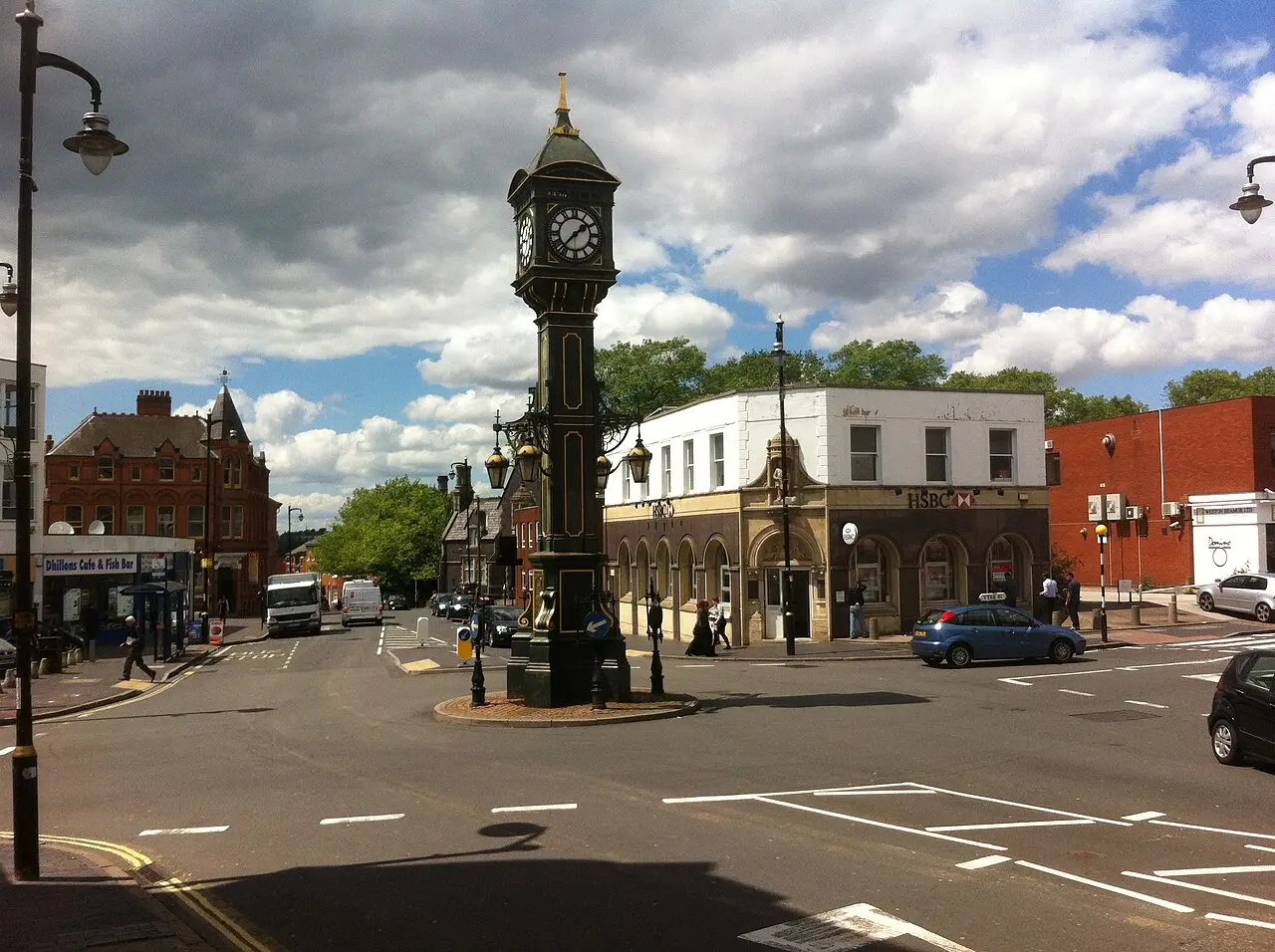
At the heart of the quarter stands the Chamberlain Clock, erected in 1903 to mark Joseph Chamberlain's visit to South Africa. It is one of the most photographed landmarks in the area.
Cemeteries and green spaces
The Key Hill and Warstone Lane cemeteries are among the most atmospheric places in Birmingham, with catacombs, Victorian monuments and the graves of many of the city's leading families.
Shopping and eating
With more than 100 jewellery retailers, the quarter is the place to buy an engagement ring or have a piece made by hand. It has also become one of the city's best places to eat and drink, with Michelin-starred restaurants, cosy pubs, craft beer bars and cafés.
Getting there
Jewellery Quarter station is served by trains and trams, and the area is a pleasant walk from Snow Hill station. Allow at least half a day to explore properly.