
Log burner season: the smoke control rules in Birmingham
Burning the wrong fuel, or using an unapproved stove, can lead to fines of up to £5,000 in court.
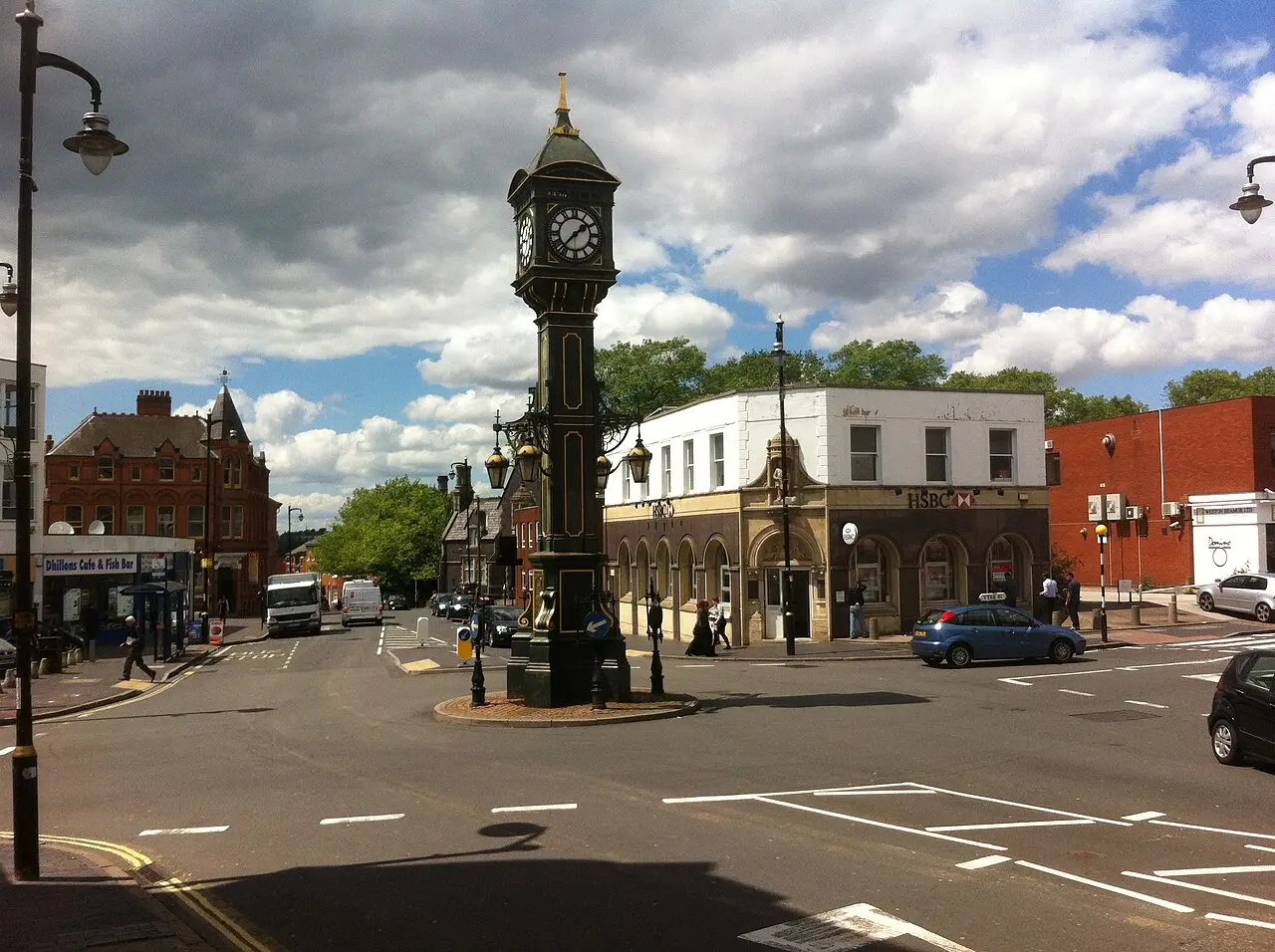
As the weather turns cooler and wood burners are lit for the first time this autumn, households are being reminded of the rules on what they can burn, and where.
The rules apply in smoke control areas, which cover most towns and cities in the UK. In Birmingham, the whole city is a smoke control area, which means you cannot let smoke come from a chimney unless you are burning an authorised fuel or using an approved appliance.
The rules in brief
- In a smoke control area, you can only burn wood or other unauthorised fuels on a stove that is on the Government's list of exempt, or approved, appliances.
- Otherwise, you must burn an authorised smokeless fuel.
- Wood sold in small quantities must carry the "Ready to Burn" logo, which shows it has less than 20 per cent moisture.
- All new stoves sold in the UK must meet Ecodesign standards for lower emissions.
The penalties
The Department for Environment, Food and Rural Affairs says people can be issued a financial penalty of between £175 and £300 for emitting smoke from a chimney in a smoke control area. Buying an unauthorised fuel for use in a smoke control area, unless it is for an approved appliance, can lead to a fine of up to £1,000. Repeat offenders who end up in court can face fines of up to £5,000.
"Wood-burning stoves produce much less smoke than open fires," Defra says. "If you are thinking of buying a stove then consider purchasing an Ecodesign stove."
Why it matters
Burning wood and coal at home is one of the largest sources of fine particle pollution, known as PM2.5, in the UK. These tiny particles can travel deep into the lungs and the bloodstream, and are linked to heart and lung disease, strokes and asthma. Smoke from chimneys also affects neighbours, especially on still, cold evenings when it lingers close to the ground.
Burning better
- Only burn dry, seasoned wood, ideally with the "Ready to Burn" label. Wet wood produces more smoke and less heat.
- Never burn household rubbish, painted or treated wood, or packaging.
- Have your chimney swept at least once a year, and your stove serviced.
- Fit a carbon monoxide alarm in any room with a stove or open fire.
Birmingham's clean air history
Smoke control areas were introduced under the Clean Air Acts after the deadly smogs of the 1950s, when smoke from coal fires and factories blackened cities like Birmingham. Today the city's Clean Air Zone targets traffic pollution in the city centre, while the smoke control rules target chimneys.
Reporting smoke
Residents worried about smoke from a neighbour's chimney can report it to Birmingham City Council's environmental health team, which investigates complaints and can take enforcement action.
More in Environment
All

Latest news
Featured posts
-
Things to do
Top 10 places to visit in Birmingham
-
Food and drink
The 12 most popular food spots in Birmingham
-
Things to do
The best laser tag locations in Birmingham