
Heat killed 50,000 in Europe's cities this summer, study finds
Scientists estimate 4,354 heat deaths in the UK and say climate breakdown caused two in every three deaths across the continent.
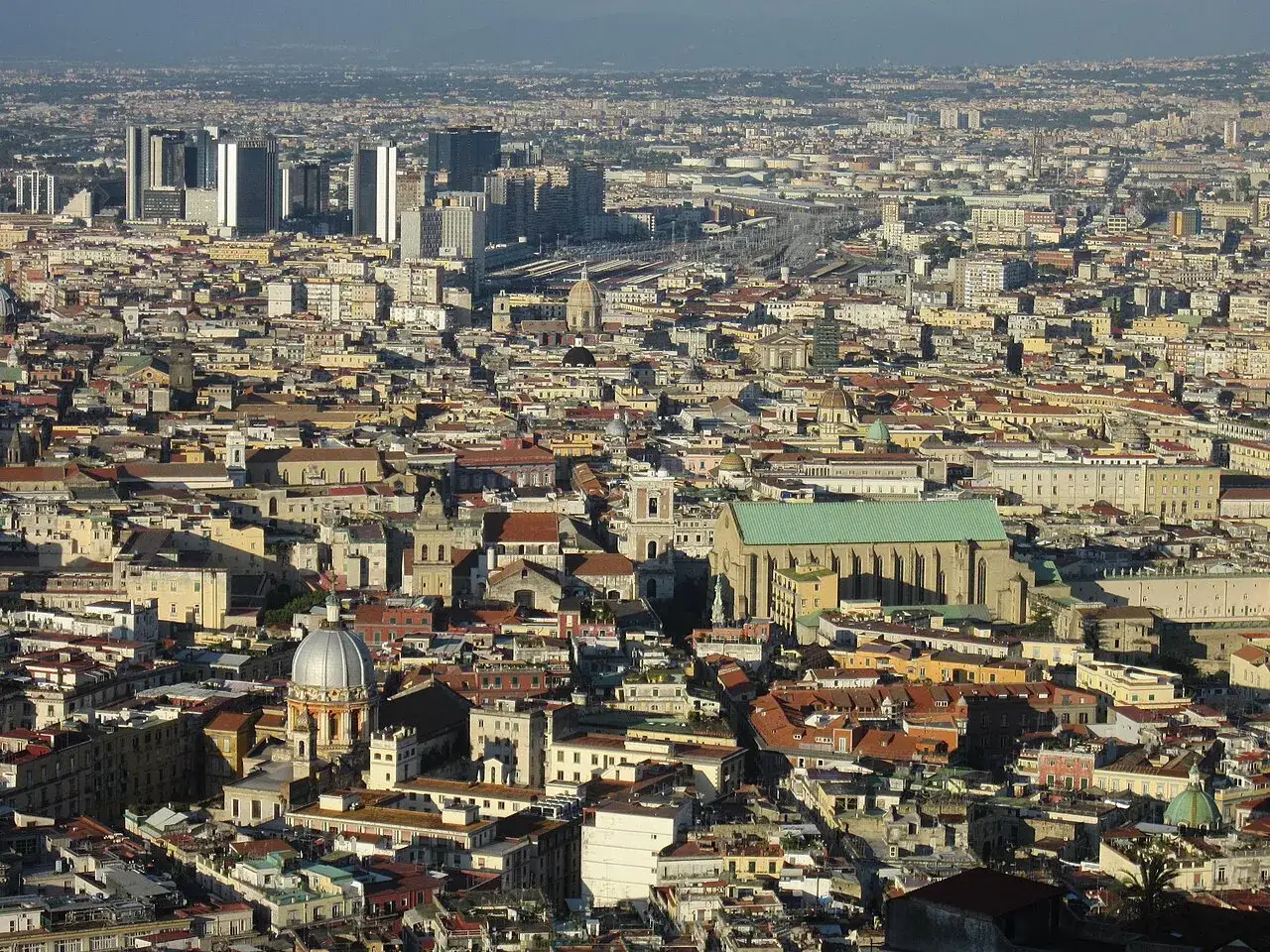
Heat killed a record 50,000 people in Europe's cities this summer, according to new research, with scientists blaming climate breakdown for two in every three of the deaths.
The study estimates that the extra heat caused by greenhouse gas pollution was responsible for 32,000 of the deaths between June and August. In the UK, the researchers estimated 4,354 heat-related deaths this summer.
"Staggering"
The figures were modelled using the established relationship between temperature and deaths in 854 cities, which together are home to about 40 per cent of Europe's population. The toll was the worst on record and nearly double that of the next two most dangerous years.
"In some sense, the absolute numbers of the heat-related deaths estimated across the 854 urban areas are indeed staggering," said Malcolm Mistry, a climate and health scientist at the London School of Hygiene and Tropical Medicine, who co-authored the study. "But perhaps what is even more alarming is the proportion of these deaths that we attribute to anthropogenic climate change."
The share of heat deaths caused by climate breakdown has risen from about 40 per cent at the start of the century to 65 per cent this summer, the study found.
Older people most at risk
People over 85 made up almost half of the deaths, but younger people were not immune, with 833 people aged between 20 and 44 also thought to have died because of the heat. Hot days push vulnerable bodies into overdrive, and warm nights stop them from recovering.
The death rate was highest in Malta, Italy and Hungary, while the largest numbers of deaths were in Italy, France, Spain, Germany and the UK. Naples was the hardest-hit city, with 815 deaths per million people.
Because death certificates rarely record contributing factors, such as heat pushing someone with heart disease or lung cancer past their limits, families seldom know that heat hastened a relative's death.
Katie White, the UK's climate transition minister, said: "These shocking figures represent thousands of families who have lost a loved one this summer due to the climate crisis."
Loneliness and poverty
Mario Guarino, an emergency doctor in Naples, said his hospital saw a 15 per cent increase in emergency visits during the hottest weeks, and that loneliness and poverty made things worse. "Many elderly people are left alone during the summer, and due to their low income, they can't afford air conditioning or, if they do have it, avoid turning it on because of the cost of electricity," he said.
The study's estimates differ from the figures national health agencies calculate using their own methods. David García-García, of the Carlos III health institute in Madrid, who was not involved, called it a "valuable contribution" but noted the figures were based on models rather than recorded deaths.
What it means for cities like Birmingham
Europe has warmed about twice as fast as the global average. Doctors are urging governments to cut fossil fuel use while preparing health systems, planting more trees and greening cities, and encouraging people to drink water, seek shade and check on vulnerable neighbours.
Built-up areas such as Birmingham's city centre trap heat in what is known as the urban heat island effect, staying several degrees warmer than the surrounding countryside, especially at night. Councils across England, including Birmingham, have been planting trees and creating green spaces partly to help keep streets cooler in future summers.
More in Environment
All
Latest news
Featured posts
-
Things to do
Top 10 places to visit in Birmingham
-
Food and drink
The 12 most popular food spots in Birmingham
-
Things to do
The best laser tag locations in Birmingham