
Military aircraft to help fight wildfires after record summer
Fire services will be able to call on RAF Chinooks and A400M planes, and firefighters will get £45m of lighter protective kit.
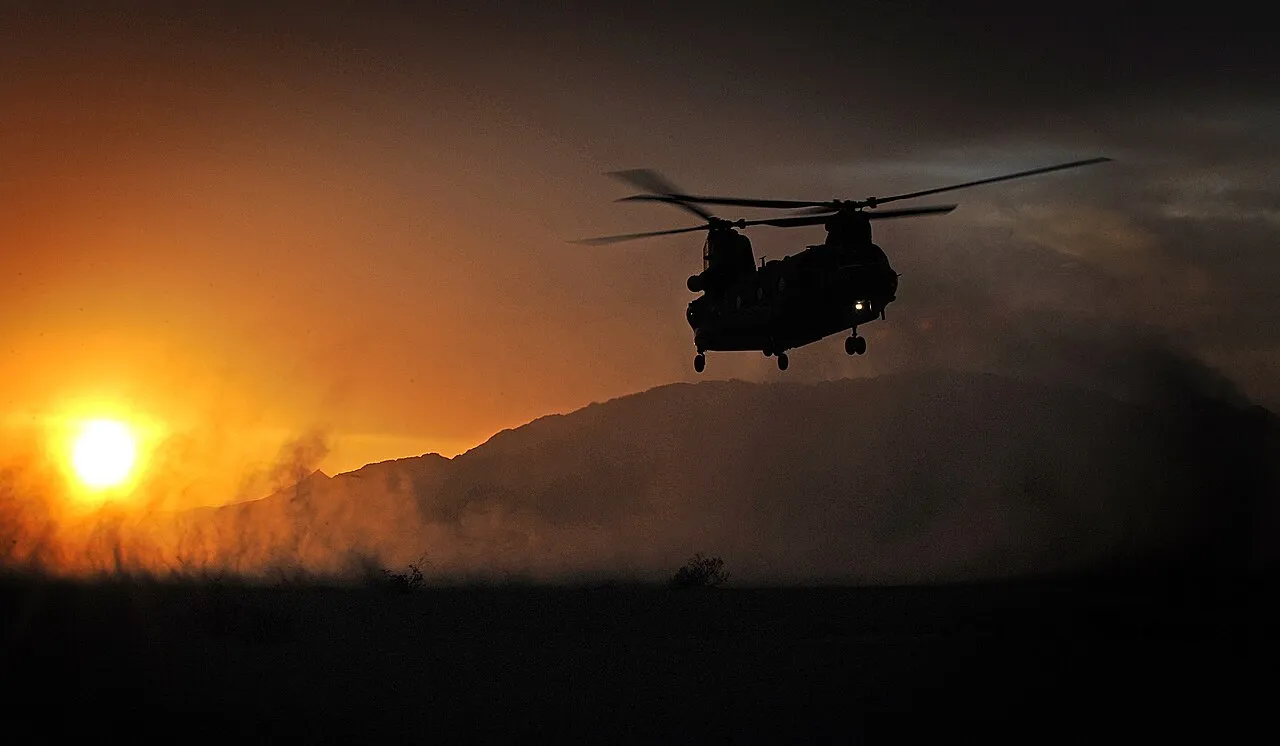
RAF helicopters and planes will be used to help fight wildfires, the prime minister has said, as the government tries to get "on the front foot" after a record-breaking summer of blazes.
Andy Burnham announced that fire services in all four nations of the UK would be able to ask for help from the RAF's Chinook helicopters and A400M transport planes to tackle fires on difficult ground such as remote moorland and steep hillsides.
A record year
There have been 1,350 wildfires in England and Wales so far this year, according to the National Fire Chiefs Council, an all-time high and more than 300 up on last year. Summer 2026 was the UK's hottest on record, and the Met Office has said human-induced climate change made the heat 130 times more likely.
Mr Burnham set out the plans at the government's first wildfire resilience summit in Liverpool, attended by fire chiefs, local leaders and experts from technology companies. He recalled visiting Stourbridge in August, where "we saw homes lost in a heartbeat".
"I think too often in the past we've been playing catch-up, and today is about trying to get on the front foot and recognise that the summer we've just had is likely to be a more regular situation going forward," he said. "We may see on holiday other countries where there are planes putting water from above on the fires. We believe we need that capability."
New kit and money for peatland
The defence secretary, Wes Streeting, said it would be the first time the RAF's Chinooks and A400Ms had been equipped to fight wildfires. Chinook crews have already helped tackle fires in Cyprus, and have practised scooping and dropping water using firefighting buckets in Portland harbour.
The government will also spend £45m on wildfire protective clothing for firefighters. It is lighter than standard firefighting kit, which is designed for building fires and is not meant to be worn for long periods.
A £25m scheme running from April 2027 to April 2029 will restore dried-out peatland in England so it acts as a natural firebreak, and farmers will get financial help to make their land more fire-resistant, for example by digging ponds.
The government said it would also look at tougher local restrictions or product bans to stop people starting fires when the risk is high, after this summer's temporary ban on disposable barbecues. A new "Wildfires AI Unit" will bring together universities, technology firms and officials, along with Met Office wildfire forecasts.
MPs had warned of weaknesses
The summit came days after the Commons environment committee warned that the UK's system for getting aerial firefighting support was "no longer fit for purpose", and that the country was poorly prepared for what MPs called the "new reality" of frequent wildfires.
Major incidents were declared this summer at Dunwich Heath and RSPB Minsmere in Suffolk, in the Cairngorms, in Hampshire and at Holme Fen in Cambridgeshire. Closer to home, 19 homes were destroyed by fire in Stourbridge in August.
Fire services say most wildfires are started by people, whether by accident or deliberately, and are urging the public never to light barbecues or campfires in the countryside when the risk is high.
More in Environment
All
Latest news
Featured posts
-
Things to do
Top 10 places to visit in Birmingham
-
Food and drink
The 12 most popular food spots in Birmingham
-
Things to do
The best laser tag locations in Birmingham