
Hydrogen buses coming to Birmingham after funding win
A council-led bid shares £2.8 million for 42 hydrogen fuel cell buses from a £30 million national pot.
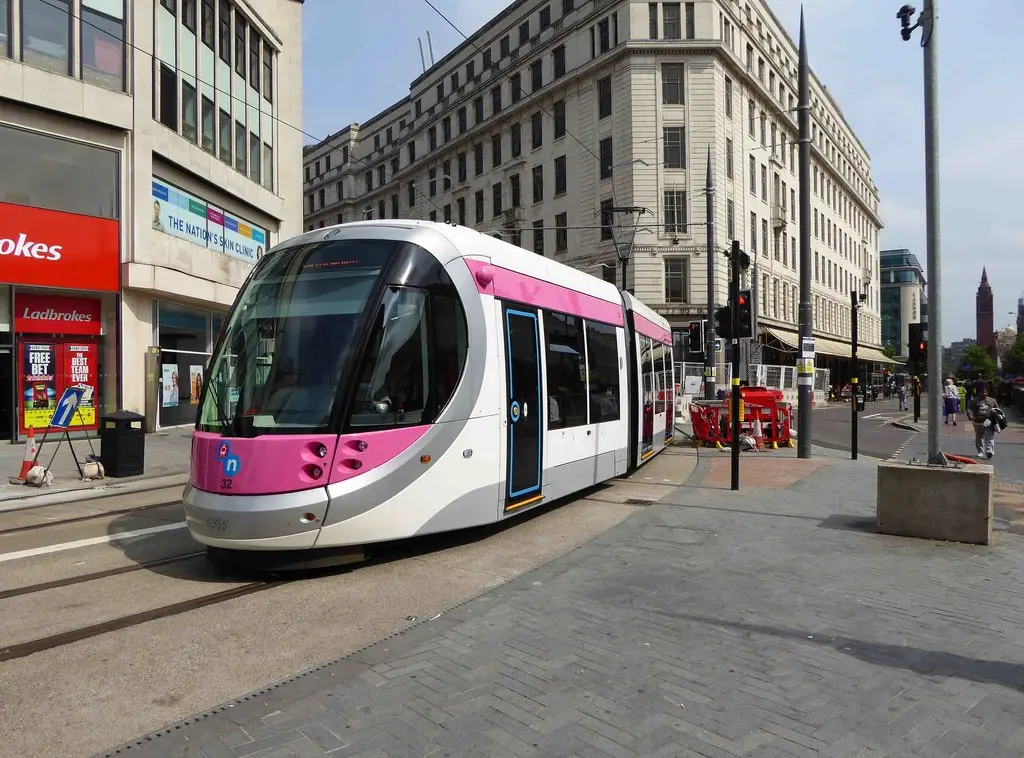
Birmingham is set to get a fleet of hydrogen-powered buses after a partnership led by the city council won government funding for cleaner public transport.
Birmingham City Council and Transport for London have jointly been awarded £2.8 million for 42 hydrogen fuel cell buses, as part of a £30 million package announced by the transport minister Andrew Jones on 25 July.
Cleaner air
The funding comes from the government's low emission bus scheme, backed by the Department for Transport and the Office for Low Emission Vehicles. Thirteen bus operators and local authorities across England have shared the money, which will add 326 electric, hybrid, hydrogen and biomethane buses to their fleets and pay for more than £7 million of charging and fuelling infrastructure.
Also among the successful bidders is the city's main bus operator, which has been awarded more than £3 million for ten hybrid and 19 fully electric buses and electric charging facilities.
Anne Shaw, assistant director for transportation and connectivity at Birmingham City Council, welcomed the award. "It is great that our efforts to work in partnership with transport operators to make Birmingham's air cleaner are being backed by government," she said.
"We are working on a wide range of projects to develop cleaner technologies and solutions to address air quality issues - this funding will help place the city at the forefront of what is being done."
Jobs as well as health
The council believes the project could bring economic benefits as well as cleaner air. "As well as tackling one of society's biggest public health challenges, this programme of research and development will open up employment and business opportunities for Birmingham," Ms Shaw said.
Hydrogen fuel cell buses produce electricity on board by combining hydrogen with oxygen from the air, and the only emission from the exhaust is water. They can travel further on a tank than many battery buses can on a single charge, which makes them attractive for busy city routes.
Why low emission buses
According to the Department for Transport, low emission buses produce at least 15 per cent less greenhouse gas than the average modern diesel bus, but they are typically much more expensive to buy. The funding will cover up to 90 per cent of the difference in cost between a new low emission bus and its diesel equivalent, and up to 75 per cent of the cost of the infrastructure needed to run them.
"My message is clear - greener buses are good for passengers and good for British business," the minister said, announcing the awards during a visit to Sheffield.
The scheme builds on the earlier Green Bus Fund, which put more than 1,200 green buses on England's roads, around four per cent of buses in service. It forms part of a £600 million package of measures from the Office for Low Emission Vehicles running until 2020, which also covers grants for plug-in cars and funding for cleaner taxis.
No date has yet been set for the first hydrogen buses to arrive in Birmingham, but the award marks a significant step in the city's efforts to tackle air pollution on its busiest roads.
More in Environment
All

Latest news
Featured posts
-
Things to do
Top 10 places to visit in Birmingham
-
Food and drink
The 12 most popular food spots in Birmingham
-
Things to do
The best laser tag locations in Birmingham