
How to help hedgehogs and garden wildlife this autumn
Hedgehog highways, bird feeders and a check before lighting any bonfire.
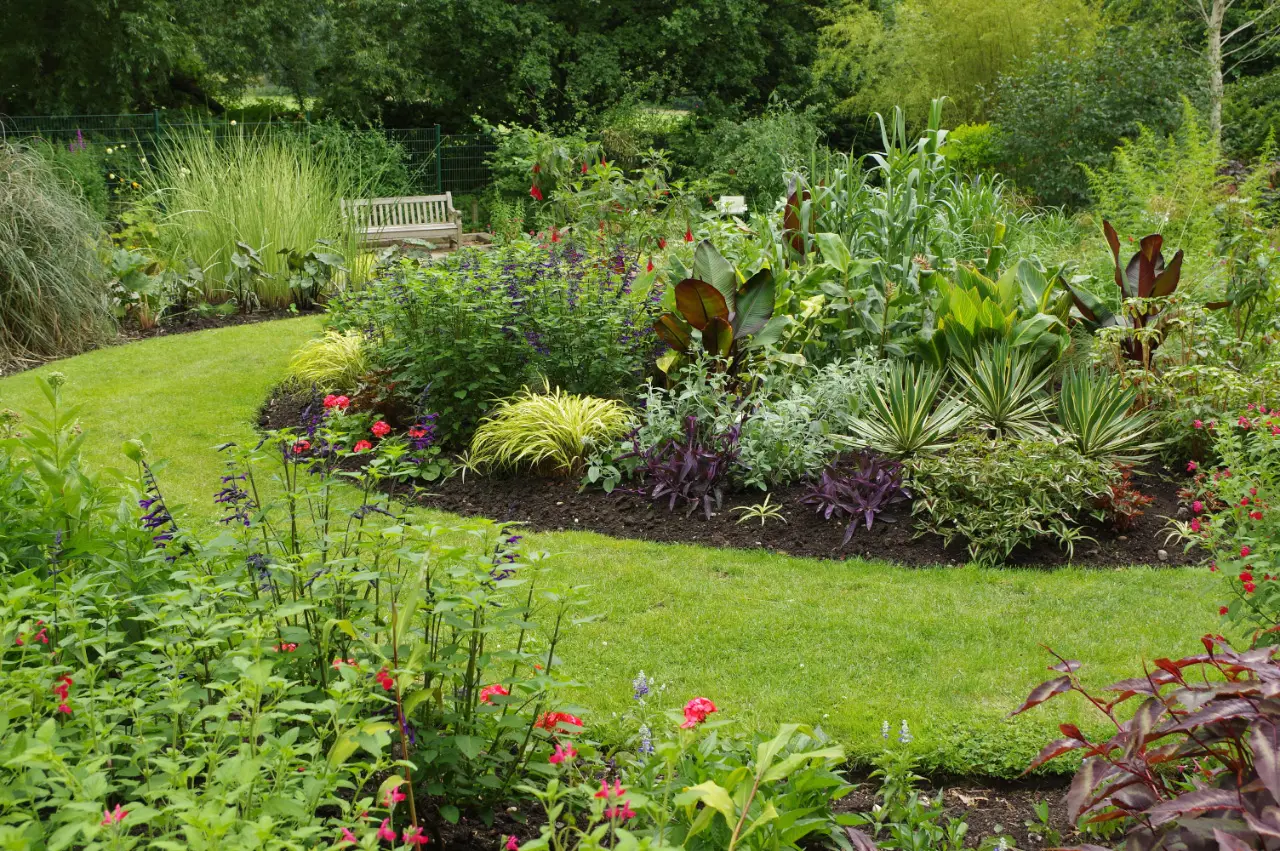
As the nights draw in and temperatures fall, garden wildlife is preparing for winter. Here are some simple ways to help hedgehogs, birds and insects in Birmingham's gardens this autumn.
Hedgehogs
Hedgehogs spend the autumn feeding up before they hibernate, usually from around November until spring. Young hedgehogs born late in the year need to reach a healthy weight to survive the winter.
- Leave out meaty cat or dog food, or specialist hedgehog food, and a shallow dish of water. Never give them milk, which can make them ill.
- Create a hedgehog highway: a hole about 13 centimetres square in fences and walls lets hedgehogs travel between gardens to find food and mates.
- Leave a pile of leaves or logs in a quiet corner, where hedgehogs can make a nest.
- Check long grass before strimming or mowing.
Check before you light a bonfire
With Bonfire Night approaching, wildlife charities urge people to build bonfires on the day they are lit, or to move them before lighting, as hedgehogs and other animals often crawl into piles of wood and leaves to shelter. Better still, go to an organised fireworks display.
Birds
Feeding birds can help them through the colder months. Put out seeds, suet and fat balls, keep feeders clean to prevent the spread of disease, and provide fresh water, especially in frosty weather. Leaving seed heads on plants also provides natural food.
Insects
Many insects spend the winter hiding in hollow stems, leaf litter and dead wood. Leaving some areas of the garden untidy over the winter, rather than cutting everything back, gives them shelter. Ivy flowers in autumn are an important late source of nectar for bees and other pollinators.
Leaves
Fallen leaves can be raked onto borders as a mulch or collected to make leaf mould, a free and useful soil improver. Put them in a bin bag with a few holes, add a little water, and leave them for a year or two. Leaves should be cleared from paths and drains, where they can become slippery or cause flooding.
Ponds
A small pond, even a washing-up bowl sunk into the ground, can attract frogs, newts and insects. Place a few stones or a ramp at the edge so animals that fall in can climb out.
A dry year
After the hottest summer on record and a dry September in England, many animals have found it harder to find food and water this year. Providing water in gardens can make a real difference.
Why gardens matter
Gardens cover a large area of Birmingham and together form a vital network of green space for wildlife, connecting parks, canals and woodlands. Hedgehog numbers have fallen sharply in Britain in recent decades, and gardens are increasingly important for their survival.
Find out more
The Wildlife Trust for Birmingham and the Black Country and national charities such as the British Hedgehog Preservation Society and the RSPB offer free advice on wildlife-friendly gardening. Injured or sick wildlife can be reported to a local wildlife rescue or the RSPCA.
Slug pellets and chemicals
Wildlife charities advise gardeners to avoid slug pellets and other garden chemicals where possible, as they can harm hedgehogs, birds and other animals that eat slugs and insects. Encouraging natural predators, such as frogs, birds and beetles, is a gentler way to keep pests under control.
More in Environment
All

Latest news
Featured posts
-
Things to do
Top 10 places to visit in Birmingham
-
Food and drink
The 12 most popular food spots in Birmingham
-
Things to do
The best laser tag locations in Birmingham