Joseph Chamberlain and Victorian Birmingham
How a screw manufacturer turned mayor made Birmingham famous as the best governed city in the world.
No single person did more to shape Victorian Birmingham than Joseph Chamberlain. As mayor in the 1870s, he transformed the town, and his ideas about what a city could do for its people made Birmingham famous as the best governed city in the world.
A businessman from London
Joseph Chamberlain was born in London in 1836 and came to Birmingham at the age of 18 to work in the family screw-making business, Nettlefold and Chamberlain. The business became hugely successful, making Chamberlain a wealthy man.
Mayor of Birmingham
Chamberlain was elected mayor in 1873 and served until 1876. In that short time, he led an extraordinary programme of improvements that became known as civic gospel, the belief that local government should improve the lives of ordinary people.
The council bought the town's gas companies, and the profits paid for improvements across the town. It took over the water supply, which led to cleaner water and better health.
Slum clearance and Corporation Street
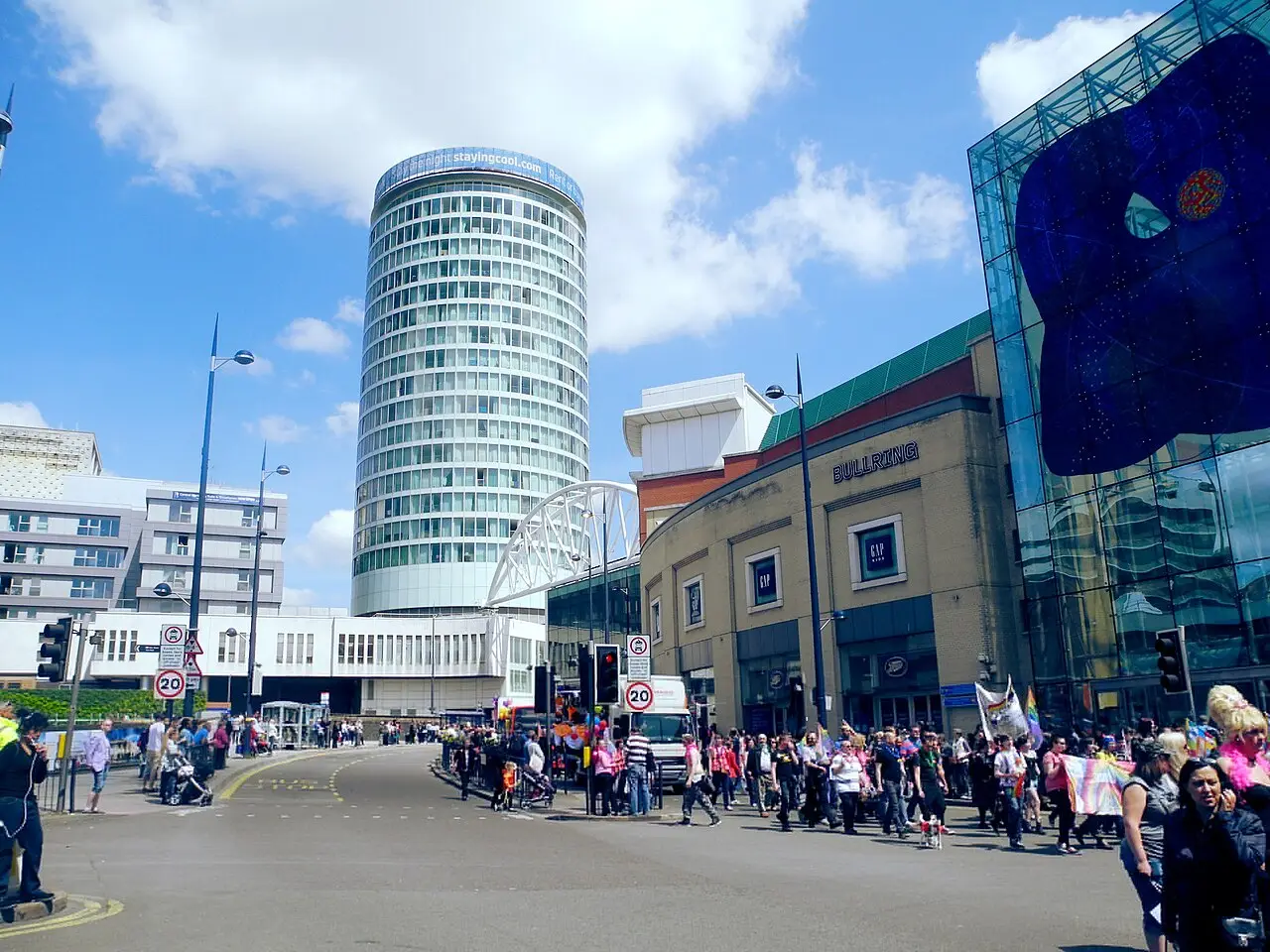
Chamberlain's Improvement Scheme cleared some of the worst slums in the town centre and created a grand new street, Corporation Street, lined with shops and offices. The scheme was controversial, but it changed the face of the town.
Buildings for the people
During this period, Birmingham gained many of its finest public buildings. The Council House, with its grand clock tower and mosaic, opened in 1879. The Museum and Art Gallery followed in 1885. Parks, libraries, swimming baths and schools were built across the town.
The Chamberlain Memorial Fountain in Chamberlain Square was built in 1880 to honour his work, especially the improvement of the water supply.
City status
In 1889, Birmingham was granted city status by Queen Victoria, reflecting its size and importance.
National politics
In 1876, Chamberlain became a member of parliament and went on to become one of the most powerful politicians of his day, serving as Colonial Secretary. His views on empire and tariffs split political parties, and his legacy is debated to this day.
The University of Birmingham
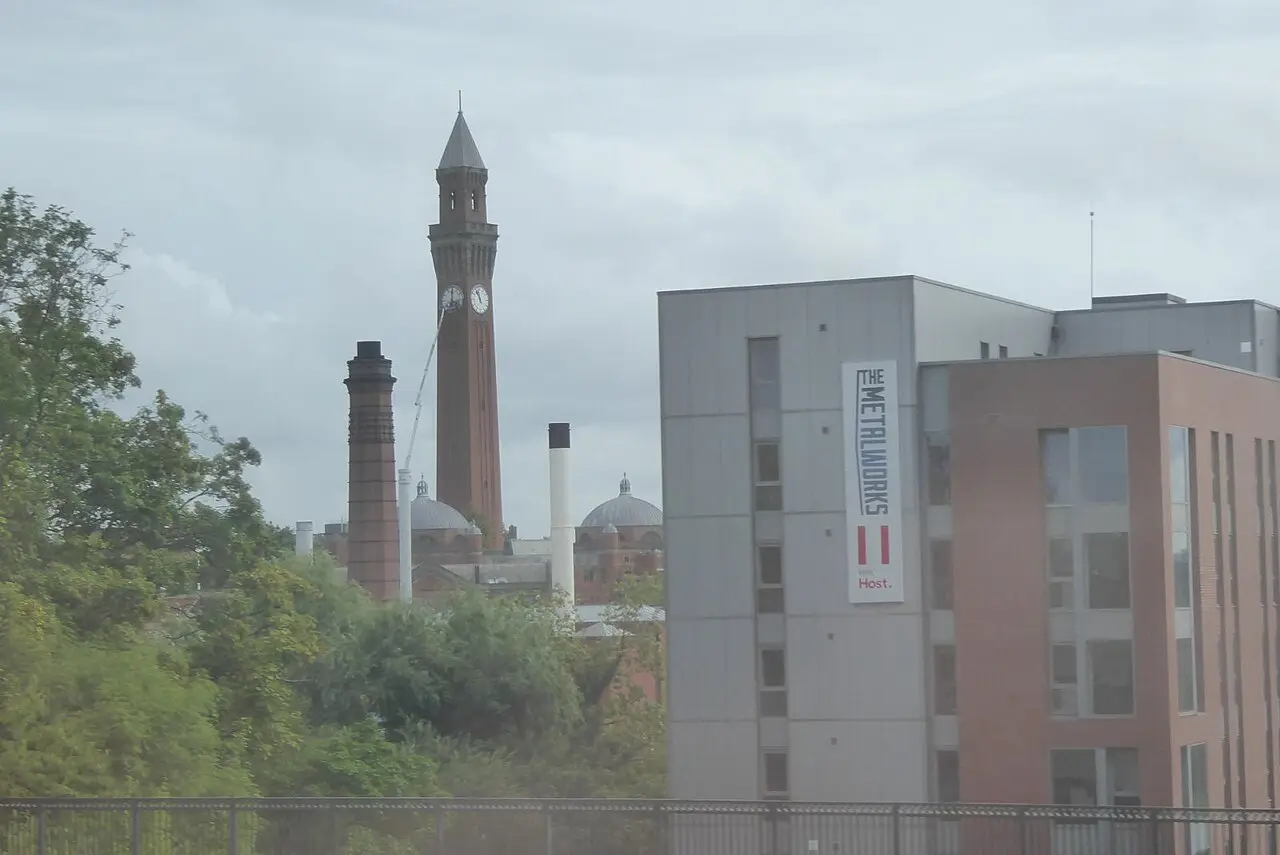
Chamberlain led the campaign to create the University of Birmingham, which received its royal charter in 1900, and became its first chancellor. The university's clock tower, known as Old Joe, is named after him.
His family
His sons, Austen and Neville, both became leading politicians. Austen won the Nobel Peace Prize in 1925, and Neville served as Prime Minister from 1937 to 1940.
Where to see his legacy
Highbury, Chamberlain's home in Moseley, still stands in Highbury Park. The Council House, Chamberlain Square, Corporation Street and the university campus all show his influence. The Chamberlain Clock in the Jewellery Quarter was built in his honour in 1903.