Digbeth: Birmingham's creative quarter
Where the town began, where custard was invented, and where street art, music and food have given old factories new life.
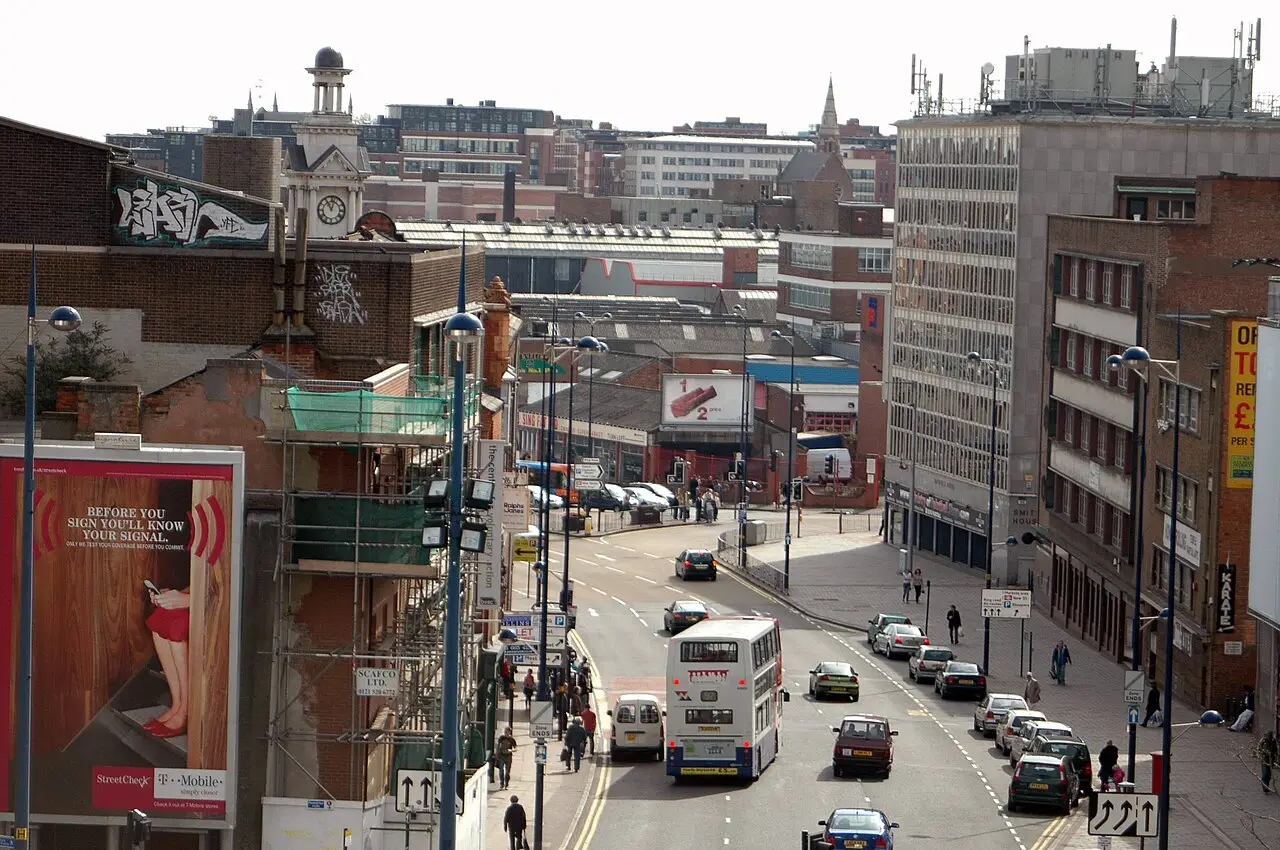
Once the industrial heart of Birmingham, Digbeth is now its creative quarter, a neighbourhood of street art, live music, independent venues and old factories given new life. It sits just east of the city centre, and it is one of the most exciting parts of Birmingham to explore.
Where the town began
Digbeth is one of the oldest parts of Birmingham. The town grew up around the crossing of the River Rea, close to what is now Digbeth High Street, and the area has been settled for more than 800 years.
In the 19th century, Digbeth became a crowded industrial district of factories, warehouses, canals and railway lines. Its most famous building, the Custard Factory, was where Alfred Bird's company made Bird's Custard, a powder invented in 1837 by a Birmingham chemist whose wife could not eat eggs.
A creative revival
By the late 20th century, many of Digbeth's industries had closed. From the 1990s, the Custard Factory was redeveloped as a home for artists, designers and small businesses, and the area began its transformation into a creative hub.
Today, Digbeth is home to studios, galleries, event spaces and independent shops, alongside the older businesses that still make the area tick.
Street art
Digbeth is Birmingham's street art capital. Walls, shutters and railway arches are covered in large murals, and many are painted during the City of Colours festival, which brings artists from across the world to the area. A walk around the streets reveals new pieces all the time.
Music and nightlife
Digbeth has some of the city's best loved live music venues and clubs, from small rooms for up-and-coming bands to larger venues for touring acts. It is also home to bars, breweries and late-night spaces that make it one of the liveliest parts of the city at weekends.
Food and drink
The area has a strong independent food scene, with restaurants, cafés and street food vendors in railway arches and old warehouses. Original Patty Men, one of the city's favourite burger joints, is under the arches here.
On screen
Digbeth's Victorian streets and warehouses have appeared in films and television series. Plans for a new film and television studio complex in the area, led by the Birmingham-raised writer Steven Knight, have added to its reputation as a creative place.
Events
Digbeth hosts the city's St Patrick's Day parade, one of the largest in Britain, reflecting the area's long history as the centre of Birmingham's Irish community. Throughout the year, markets, festivals and pop-up events fill its streets and venues.
A changing area
Digbeth is changing fast, with new homes, offices and the planned HS2 station at Curzon Street nearby. Many people hope the area can keep its creative character as it grows.
Getting there
Digbeth is a short walk from Moor Street and New Street stations, and Digbeth Coach Station is on the high street. The best way to explore is on foot, with time to stop at a gallery, a café and a bar along the way.