
Why has the UK not had a named storm yet?
The jet stream has steered Atlantic lows away all autumn, but forecasters say that could be about to change.
With November on the horizon, the UK is still waiting for its first named storm of the season. This autumn's headlines have been about drought rather than gales, but BBC Weather says that may be about to change.
The jet stream's role
The jet stream is a narrow band of very fast winds high in the atmosphere, and it is largely responsible for steering stormy low pressure systems towards the UK. In a typical autumn it often sits over the country, bringing wet and windy weather.
This autumn, it has mostly been to the north or north west of the UK. That has meant southerly or south-westerly winds bringing warmer than normal conditions, and high pressure keeping much of the country dry. The heaviest rain has fallen in Scotland and Northern Ireland, while much of England and Wales has been far drier than normal. Parts of Herefordshire have had only a tenth of their usual rainfall so far in October.
A change on the way
As nights lengthen and the polar regions cool, the contrast with the warm tropics strengthens the jet stream. Forecasters expect a change in its position and strength over the coming week, allowing deeper low pressure systems to reach more of the UK. There is potential for the first spell of widely disruptive weather later in the week.
Longer term, the Met Office's three-month outlook for October, November and December gives double the normal chance of wetter weather and 1.3 times the normal chance of windier weather, consistent with patterns seen in previous El Niño years.
How storms are named
The UK's Met Office, Ireland's Met Eireann and the Netherlands' KNMI name storms together, based on the expected impacts and how likely they are. Storms are usually named when potentially damaging winds are forecast, but can also be named for flooding rain or disruptive snow. The first name on this season's list is Austen.
Naming began in 2015 to help people take notice of severe weather and prepare for it.
Not unusual
A late start is not unusual. In about half the years since 2015, the first named storm arrived after 1 November. Named storms are rare in spring and early summer, and the only month that has never had one is May. The season peaks in the winter months of December, January and February.
Getting ready
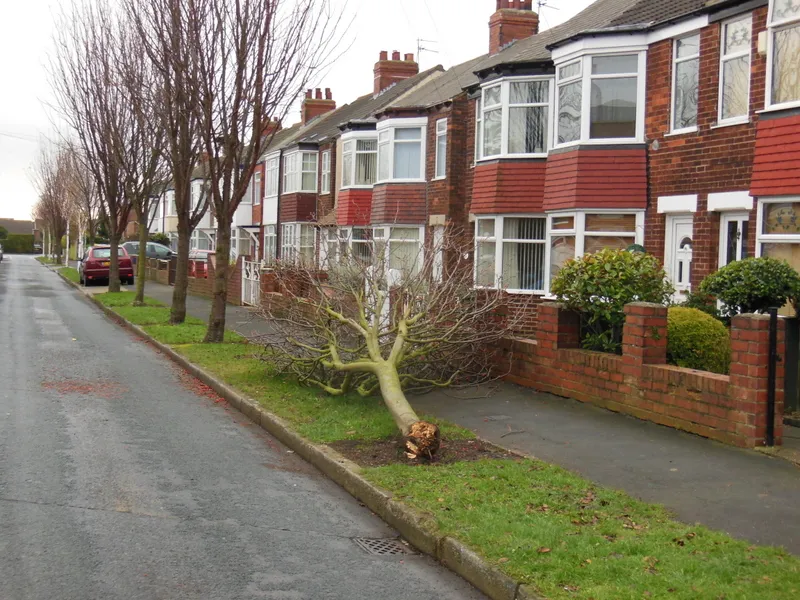
Ahead of the stormier months, it is worth checking gutters and drains are clear of leaves, securing garden furniture and trampolines, and making sure fences are in good repair. Keep a torch and charged phone handy in case of power cuts.
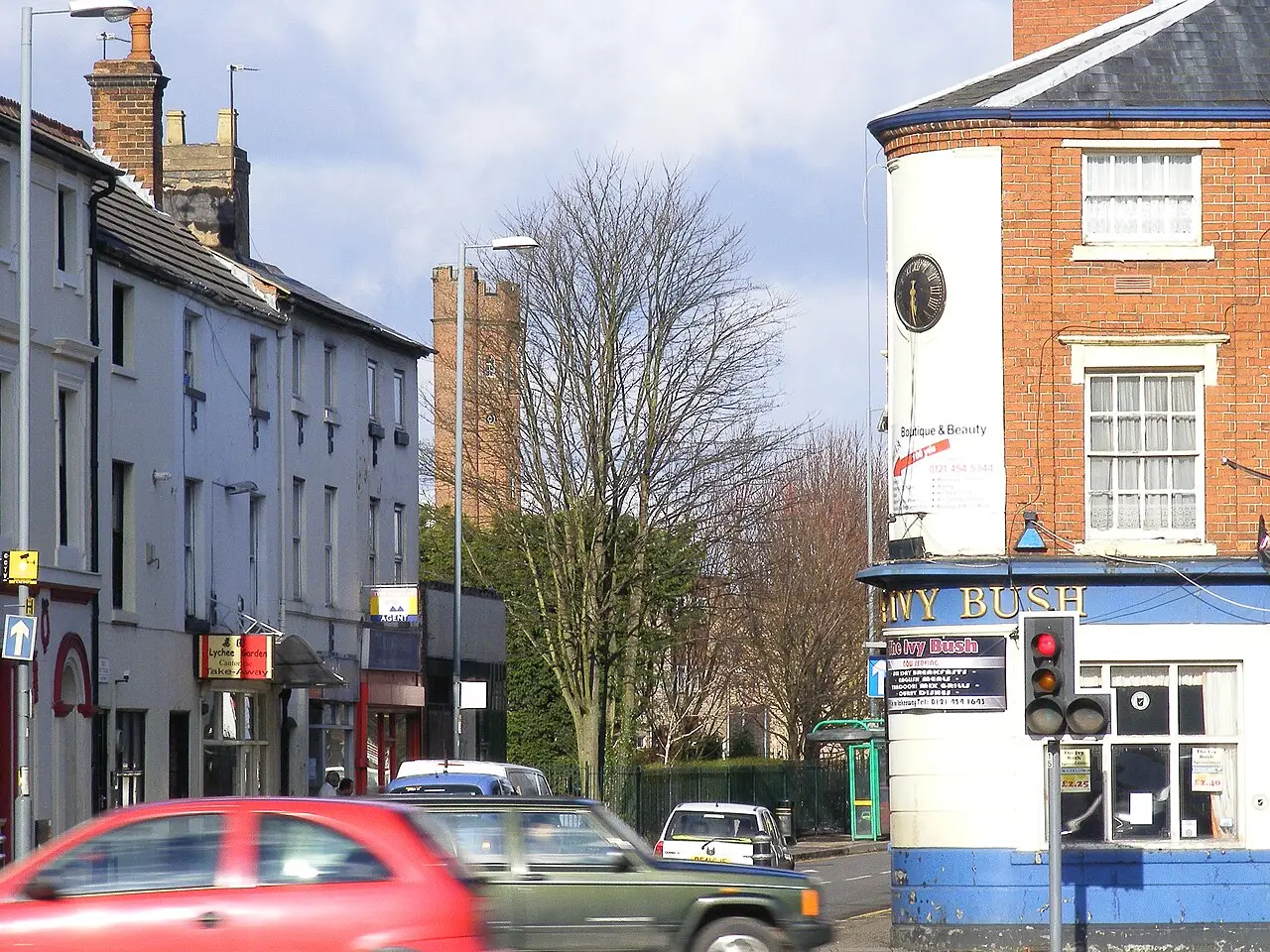
Birmingham's own weather history includes a famous early weather station: Perrott's Folly in Edgbaston was used as an observatory for nearly a century from the 1880s, recording the city's rain, wind and temperature.
More in Weather
All
Latest news
Featured posts
-
Things to do
Top 10 places to visit in Birmingham
-
Food and drink
The 12 most popular food spots in Birmingham
-
Things to do
The best laser tag locations in Birmingham