
First frosts: how to protect your garden
Clear, calm nights will bring a growing risk of frost in the weeks ahead.
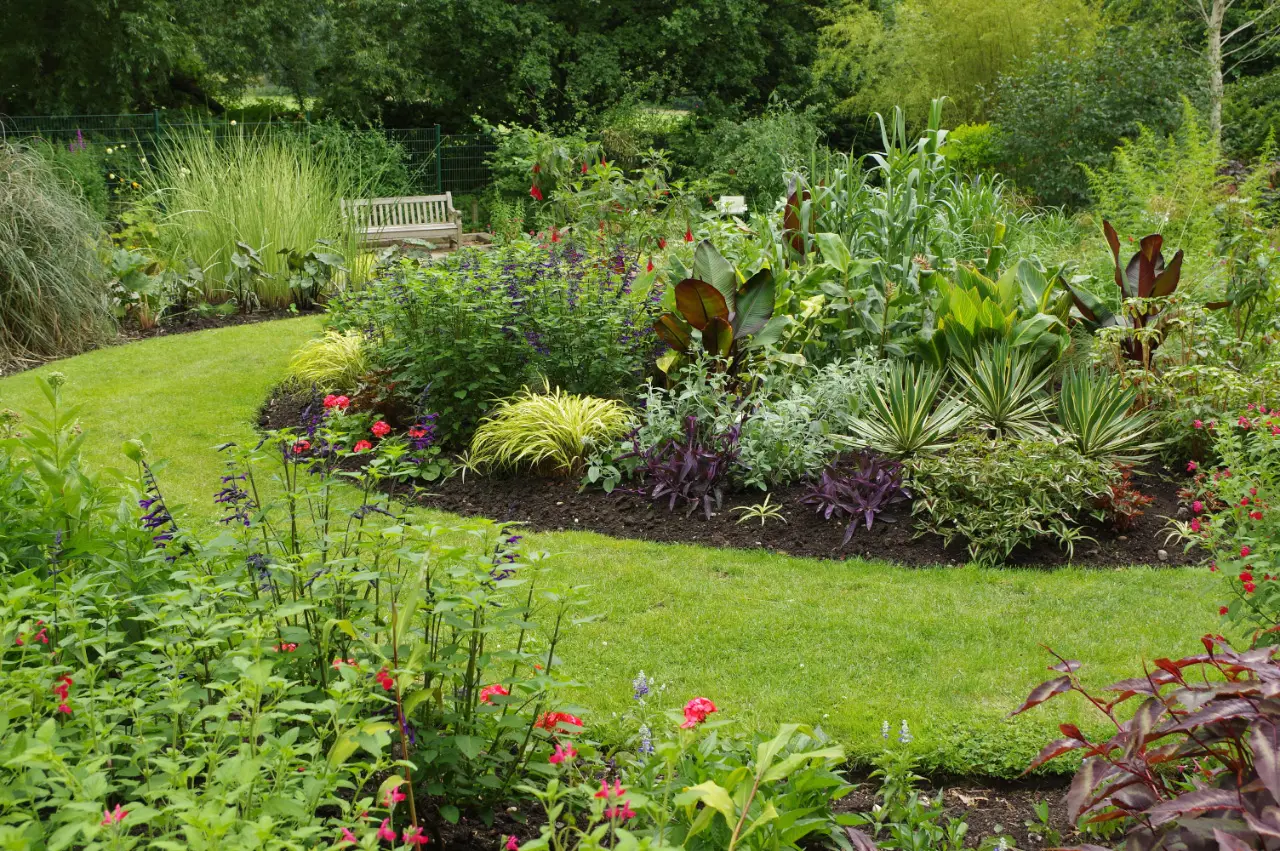
The Met Office has warned that clear, calm nights this autumn will bring a risk of frost, particularly in rural areas and sheltered spots. Here is how gardeners in Birmingham can prepare.
When to expect frost
In Birmingham, the first air frosts usually arrive in late October or November, but ground frost, when the temperature at grass level falls below freezing, can happen earlier on clear nights, even in late September. The Met Office's long-range forecast suggests chilly nights with fog under high pressure in early October.
Frost is most likely in low-lying areas where cold air collects, known as frost pockets. Gardens in the city centre are often a little warmer than those on the outskirts, because buildings and roads hold on to heat, an effect known as the urban heat island.
Protecting tender plants
- Bring tender plants such as pelargoniums, fuchsias and citrus indoors or into a greenhouse before the first frosts.
- Cover vulnerable plants with horticultural fleece on cold nights.
- Move pots against the house wall, where it is warmer, and raise them on feet so they drain freely.
- Lift dahlia tubers after the first frost blackens the foliage, or protect them with a thick mulch.
Jobs for autumn
- Plant spring bulbs such as daffodils and crocuses now, and tulips in November.
- Collect fallen leaves to make leaf mould.
- Plant new trees, shrubs and hedges while the soil is still warm.
- Clean and store garden furniture before the wetter weather.
Water is still important
After the very dry summer, many soils are still dry below the surface. Newly planted trees and shrubs may need watering until autumn rain has properly soaked the ground.
Help wildlife
Leave some areas of the garden untidy, with leaves and seed heads, to give shelter and food to insects, birds and hedgehogs over the winter.
More in Weather
All
Latest news
Featured posts
-
Things to do
Top 10 places to visit in Birmingham
-
Food and drink
The 12 most popular food spots in Birmingham
-
Things to do
The best laser tag locations in Birmingham