
Second recycling bin and weekly food waste in new north Birmingham pilot
New bins arrive from 30 June in north Birmingham and Sutton Coldfield, after a food waste trial collected more than 110 tonnes.
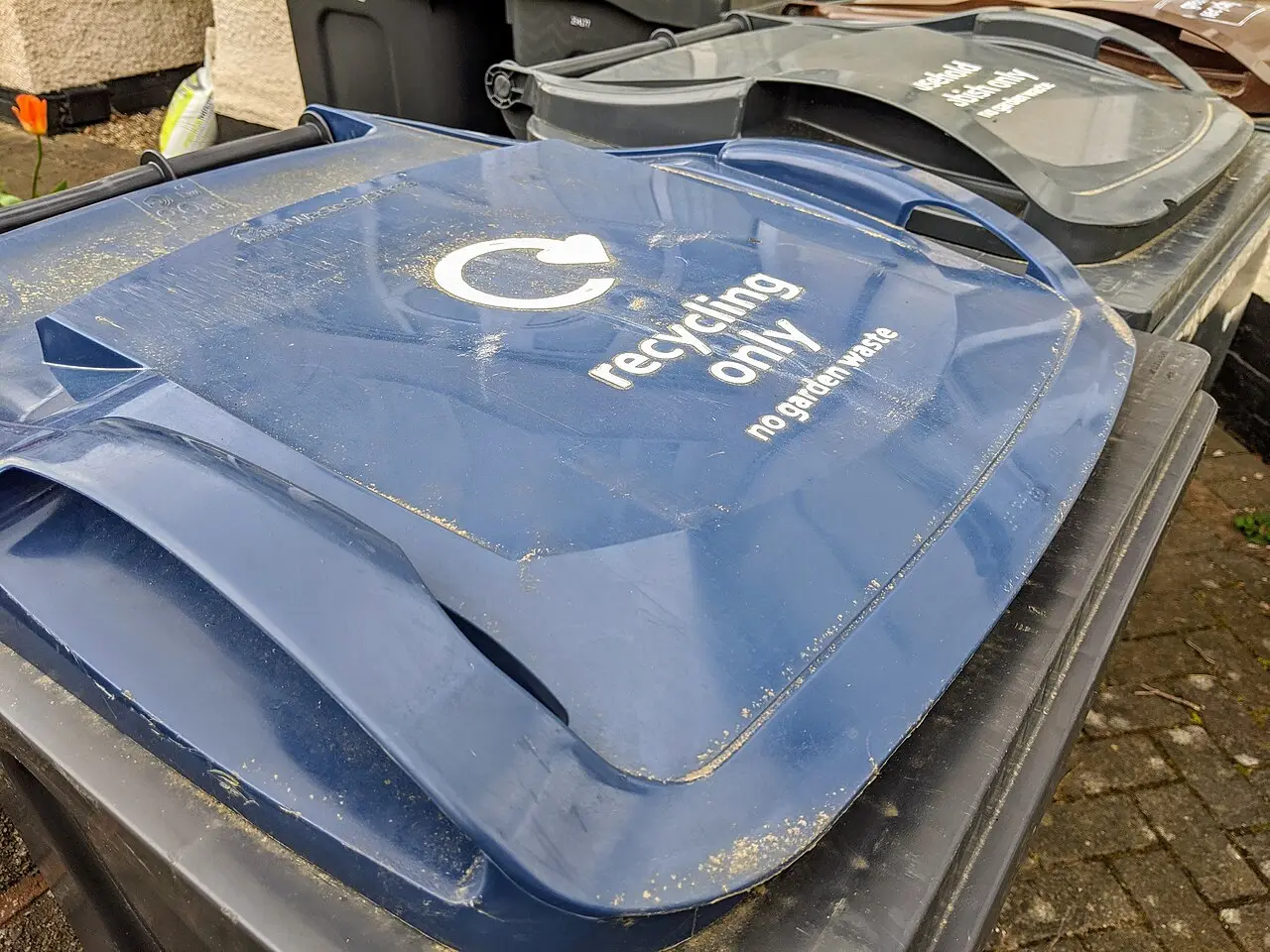
Birmingham City Council is starting a larger trial of new bin collections in north Birmingham and Sutton Coldfield, after a smaller food waste pilot collected more than 110 tonnes of food waste.
New bins will be delivered to households from Tuesday 30 June, with collections beginning on 6 July.
What changes in the pilot areas
- Recycling collections return, with a second recycling bin to help raise recycling rates.
- Food waste is collected every week.
- General waste that cannot be recycled is collected fortnightly, with a higher capacity than before.
The trial will be backed by extra clean-ups, mobile household recycling centres, more CCTV cameras and new enforcement officers to tackle fly-tipping.
Learning from the food waste pilot
The food waste pilot, which began in March 2026, covered 10,000 households in selected neighbourhoods. Residents were given kitchen caddies and asked to recycle all food waste, from peelings and leftovers to eggshells and tea bags. The 110-plus tonnes collected were turned into green energy and fertiliser.
"One of our key commitments as the council's new administration is to clean up this fantastic city, which is why it's essential that we improve waste collection and test the best way to do this in Birmingham," said Councillor Harris Khaliq, Cabinet Member for City Services and Digital.
He said the new administration had "taken a step back and reflected" on the council's waste transformation programme, and that the new approach would give households more chances to recycle and more capacity for their waste.
"If we continue with low recycling rates, the city could lose out on millions of pounds of government funding that could go back into funding services for residents," he warned.
Councillor Khaliq said the council had listened to residents' concerns and would keep adjusting the new ways of working based on their feedback throughout the pilot.
What happens next
The council will assess the pilot before deciding whether to keep the new arrangements and roll them out across the city. Other collection methods will also be tested in different areas, and residents will be told in advance of any changes affecting them.
The council says the aim is to bring Birmingham into line with other councils, improve its recycling rates and provide the service residents need. It is also changing collections against the backdrop of the long-running bin strike, which the new administration has said it wants to resolve.
Wards that may be included in the pilot include Sutton Walmley and Minworth, with households receiving letters before any changes.
More in Environment
All
Latest news
Featured posts
-
Things to do
Top 10 places to visit in Birmingham
-
Food and drink
The 12 most popular food spots in Birmingham
-
Things to do
The best laser tag locations in Birmingham