
Draught-proofing: how to keep heat in as the nights get colder
Sealing gaps around doors, windows and floors is one of the cheapest ways to cut heating bills, but some vents must never be blocked.
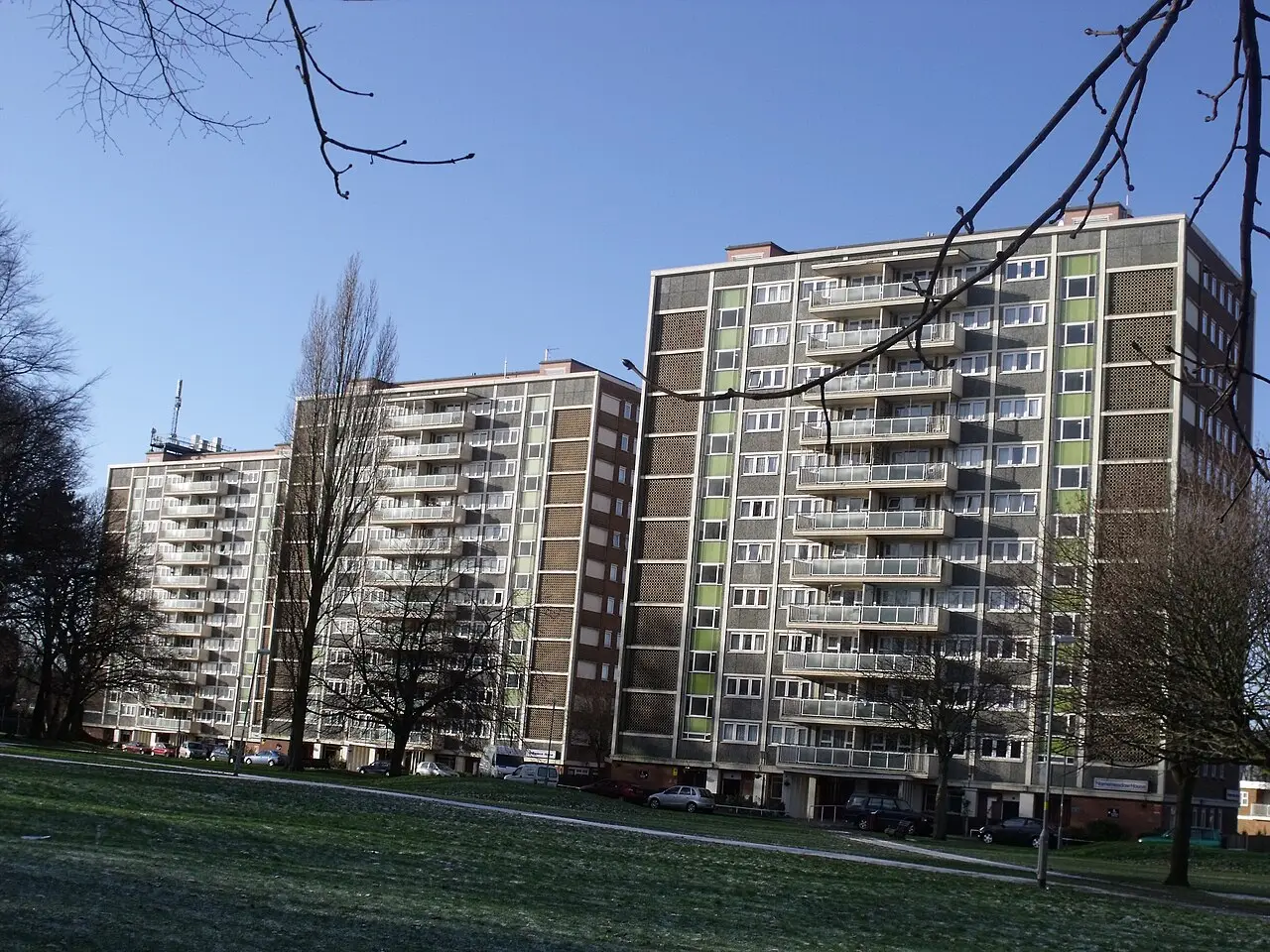
With the heating going back on in homes across Birmingham, draught-proofing is one of the simplest and cheapest ways to keep warm while using less energy.
Draughts are uncontrolled cold air coming in through gaps and cracks. Sealing them reduces heat loss, makes a home more comfortable and means the heating does not have to work as hard, which cuts both bills and carbon emissions.
Finding draughts
The Energy Saving Trust suggests looking for:
- daylight showing under or around doors and windows
- rattles and whistling noises, especially on windy days
- curtains moving when the windows are shut
- gaps around loft hatches, letterboxes, keyholes and floorboards
- gaps where pipes come through walls
Simple fixes
Many fixes are cheap and easy for anyone confident with basic DIY. Self-adhesive foam or brush strips can seal gaps around doors and windows, a brush or flap on the letterbox and a cover for the keyhole help, and a draught excluder can be fitted to the bottom of a door. Gaps between floorboards and skirting can be filled with a flexible filler. Chimneys that are not in use can be fitted with a removable draught excluder.
What you must not block
Good ventilation matters for health and for the building. It keeps homes dry and removes moisture and pollutants. The trust warns never to block:
- extractor fans in kitchens, bathrooms and utility rooms
- airbricks and underfloor grilles, which keep wooden floors and joists dry
- wall vents and trickle vents above windows, which should normally be left open
- any vents needed by gas appliances, open fires or flues
Rooms where a lot of moisture is produced, such as kitchens and bathrooms, need ventilation more than draught-proofing. If a home already has no trickle vents, wall vents or mechanical ventilation, it may already be too airtight, and more sealing could lead to condensation and mould.
When to get help
Older homes, including the many Victorian and Edwardian terraces in Birmingham, can be harder to draught-proof and may need special materials. A professional installer is likely to save more energy, and the trust suggests getting three quotes. TrustMark, the government-endorsed quality scheme, lists certified tradespeople.
Help with costs
The government's Warm Homes Plan is set to invest close to £15bn in improving homes to cut energy bills. People on low incomes will be able to get draught-proofing installed with fully funded support, and low and zero-interest loans will be available to homeowners regardless of income.
Birmingham households worried about heating costs this winter can also get free advice from the Energy Saving Trust, their energy supplier and local advice services, and should check whether they qualify for help such as the Warm Home Discount.
More in Environment
All
Latest news
Featured posts
-
Things to do
Top 10 places to visit in Birmingham
-
Food and drink
The 12 most popular food spots in Birmingham
-
Things to do
The best laser tag locations in Birmingham