
Why astronauts get constipated in space
Blood from 52 astronauts shows gut bacteria switching to fermenting protein.
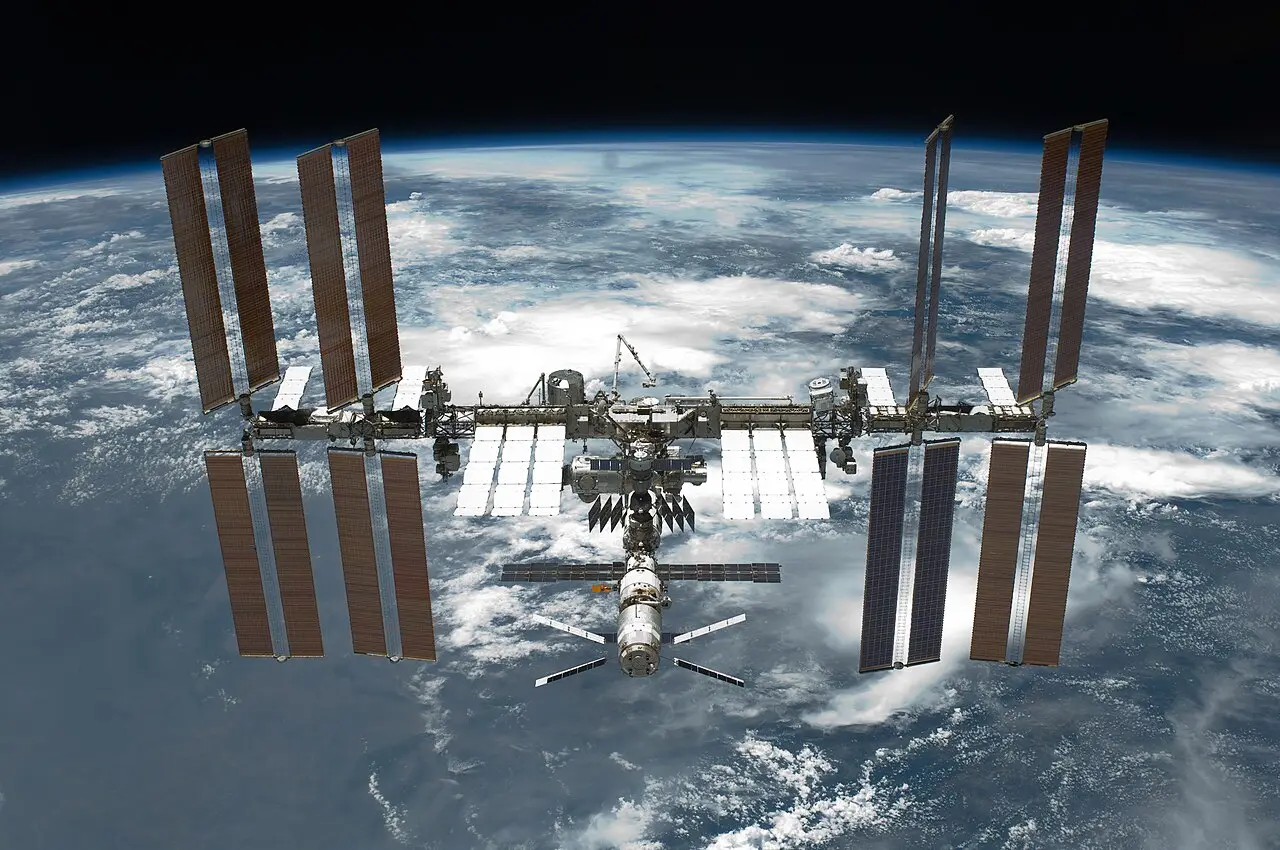
Scientists have found a likely explanation for why astronauts often suffer from constipation in space, by studying blood samples from dozens of crew members who lived on the International Space Station.
The research, from the University of Copenhagen in collaboration with NASA, was published in Nature Communications. The team analysed blood samples from 52 astronauts.
Gut bacteria change course
The researchers found signs that gut bacteria change their behaviour within weeks of arriving in space. "We see changes in astronauts' blood samples that indicate that the gut bacteria begin to ferment protein to a greater extent than usual within weeks," the team reported.
Their explanation is that weightlessness slows the movement of food through the digestive system. "The lack of gravity in space probably causes food to move more slowly through" the intestines, said Henrik Roager, one of the authors. With food lingering longer, bacteria shift from breaking down fibre towards breaking down protein.
Why it matters
Protein fermentation produces substances that have been linked to kidney damage, changes in mood and reduced concentration, all of which matter on long missions where crews must stay healthy and alert. The findings point to possible countermeasures, such as more dietary fibre, prebiotics or treatments that encourage the muscular contractions that move food through the gut.
That will become more important as space agencies plan longer journeys, including a return to the Moon and, eventually, crewed missions to Mars, where astronauts could be away from Earth for years.
Help on the ground
The researchers say the work could also help people on Earth. Patients who are confined to bed for long periods often experience similar problems because reduced movement slows digestion, and the same approaches might benefit them.
The study's authors include Giorgia La Barbera, Jan Stanstrup, Sara Zwart, Scott Smith, Henrik Roager and Lars Ove Dragsted.
More in Science
All
Latest news
Featured posts
-
Things to do
Top 10 places to visit in Birmingham
-
Food and drink
The 12 most popular food spots in Birmingham
-
Things to do
The best laser tag locations in Birmingham