
Warwick AI finds 118 new planets
The RAVEN system searched data on more than 2.2 million stars.
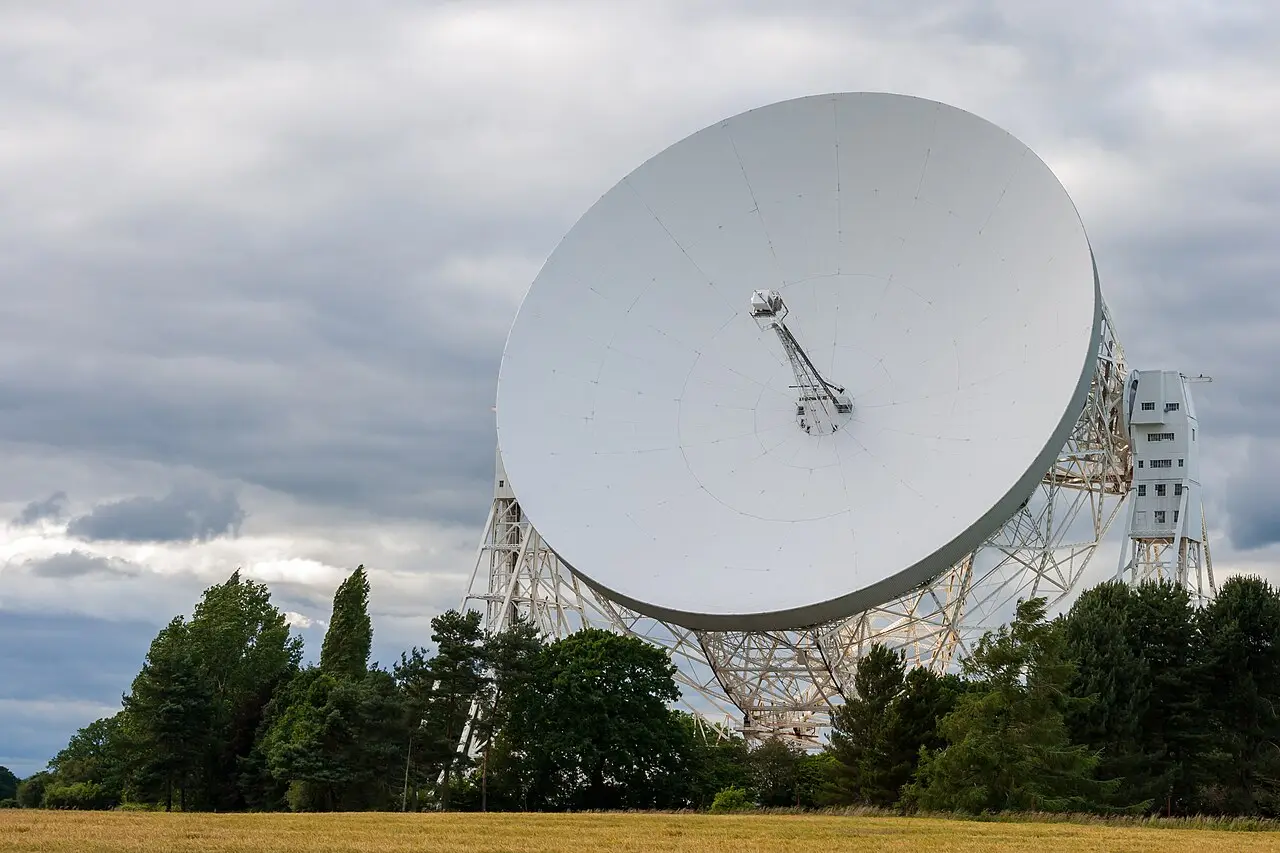
Astronomers at the University of Warwick have used artificial intelligence to confirm 118 new planets orbiting other stars, and identified more than 2,000 further high-quality candidates.
The discoveries, announced at the start of May, were made using a new AI system called RAVEN, which searched data from NASA's Transiting Exoplanet Survey Satellite.
How it works
The satellite, known as TESS, watches large numbers of stars for tiny, regular dips in brightness that happen when a planet passes in front of its star. But many other things, such as pairs of stars eclipsing each other, can produce similar signals.
RAVEN was trained on hundreds of thousands of simulated planets and false signals, teaching it to tell the difference. It was then used to analyse observations of more than 2.2 million stars collected during the first four years of the TESS mission.
In an independent test, the system correctly classified around 91 per cent of candidates.
Close-in worlds
The team focused on planets that orbit very close to their stars, taking less than 16 days to complete an orbit. Some of the new planets are rare or extreme worlds, which could help astronomers understand how planetary systems form and change over time.
A British contribution
The University of Warwick, near Coventry, has a strong astronomy group that has been involved in the search for exoplanets for many years. Its researchers help to run telescopes that search for planets, and are involved in several major missions.
AI and astronomy
Astronomy is producing more data than ever before, from space telescopes and new observatories such as the Vera C. Rubin Observatory in Chile. Scientists say AI tools are becoming essential to find the most interesting objects in huge datasets.
Thousands of worlds
More than 6,000 planets beyond our solar system have now been confirmed since the first around a Sun-like star was found in 1995, a discovery that won the Nobel Prize in Physics in 2019.
The new candidates will need to be checked with further observations, and the team hopes that the method can be used on other missions.
The researchers say their approach can dramatically speed up the process of confirming planets, which has often taken years.
More in Science
All

Latest news
Featured posts
-
Things to do
Top 10 places to visit in Birmingham
-
Food and drink
The 12 most popular food spots in Birmingham
-
Things to do
The best laser tag locations in Birmingham