
Uber starts testing robotaxis on the streets of Manchester
Self-driving cars from Pony and Verne are mapping the city with safety drivers, but no passenger service has been applied for.
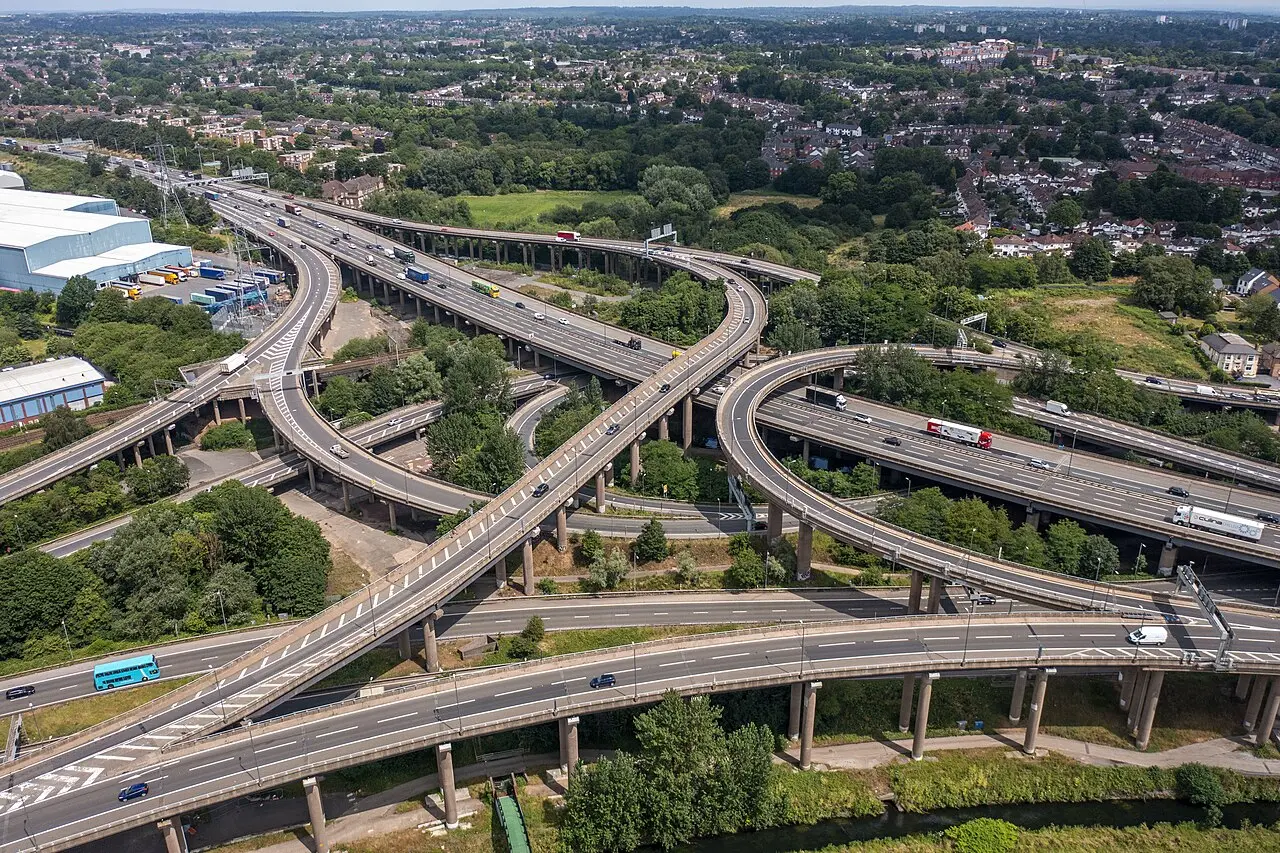
Uber has begun testing self-driving cars on the streets of Manchester, its first step towards bringing robotaxis to cities around the UK outside London.
The cars use technology from Uber's partners Pony and Verne, with whom it recently launched Europe's first autonomous taxi service, in the Croatian capital, Zagreb.
Mapping the city
The tests involve mapping Manchester's streets, with a safety driver behind the wheel and no passengers. Verne said it had "started our autonomous vehicle testing in Manchester", while Pony said there were "plans to bring robotaxis to the city".
Uber said it was "excited to take this first step toward making this technology accessible to people across the UK". It expects to offer robotaxi rides in as many as 15 cities worldwide by the end of 2026, mainly in the US and the Middle East.
No application yet
No application has been made to run passenger services in Manchester. A spokesperson for Transport for Greater Manchester said it wanted the city's taxis to be the safest in the country.
"New technologies play an increasingly important role in the growth of our city region," they said. "But they need to be introduced responsibly, safely and with real thought about what it means for our residents. Safety will always be our top priority, and we will need strong assurances that no vehicles will operate on our roads that pose any risk to residents."
London first
Limited passenger services began in London last month, with a safety driver in the front seat of cars supplied by Wayve, under Transport for London's licensing rules for private hire vehicles. Last week Uber also announced plans with Pony.ai to bring its cars to the capital.
Opposition is growing. The GMB and ADCU unions say thousands of drivers' jobs will be lost and have called for support for those affected. A report from the London Assembly's transport committee called for the government to give cities control over autonomous taxi services, citing "considerable uncertainty about many of the claimed benefits", fears about congestion and the impact on public transport, and concerns about safeguarding and access for disabled passengers.
The law
The Automated Vehicles Act, passed in 2024, set out a framework for self-driving vehicles in Great Britain, making the companies behind the technology, rather than the person in the driving seat, responsible for how a car drives when it is in self-driving mode. The government has encouraged pilots of self-driving taxi and bus services ahead of wider rollout.
What about Birmingham?
No robotaxi testing has been announced in Birmingham. The city's taxi and private hire trade is licensed by the city council, and any operator wanting to run driverless passenger services here would need approval under the rules that apply at the time. As in London and Manchester, drivers' groups would be likely to push for a say in how and when such services arrive.
More in Technology
All


Latest news
Featured posts
-
Things to do
Top 10 places to visit in Birmingham
-
Food and drink
The 12 most popular food spots in Birmingham
-
Things to do
The best laser tag locations in Birmingham