
Microsoft pulls out of UK's flagship AI datacentre in Essex
Nscale's Loughton project loses its anchor tenant after the grid operator said it could not supply enough power until the 2030s.
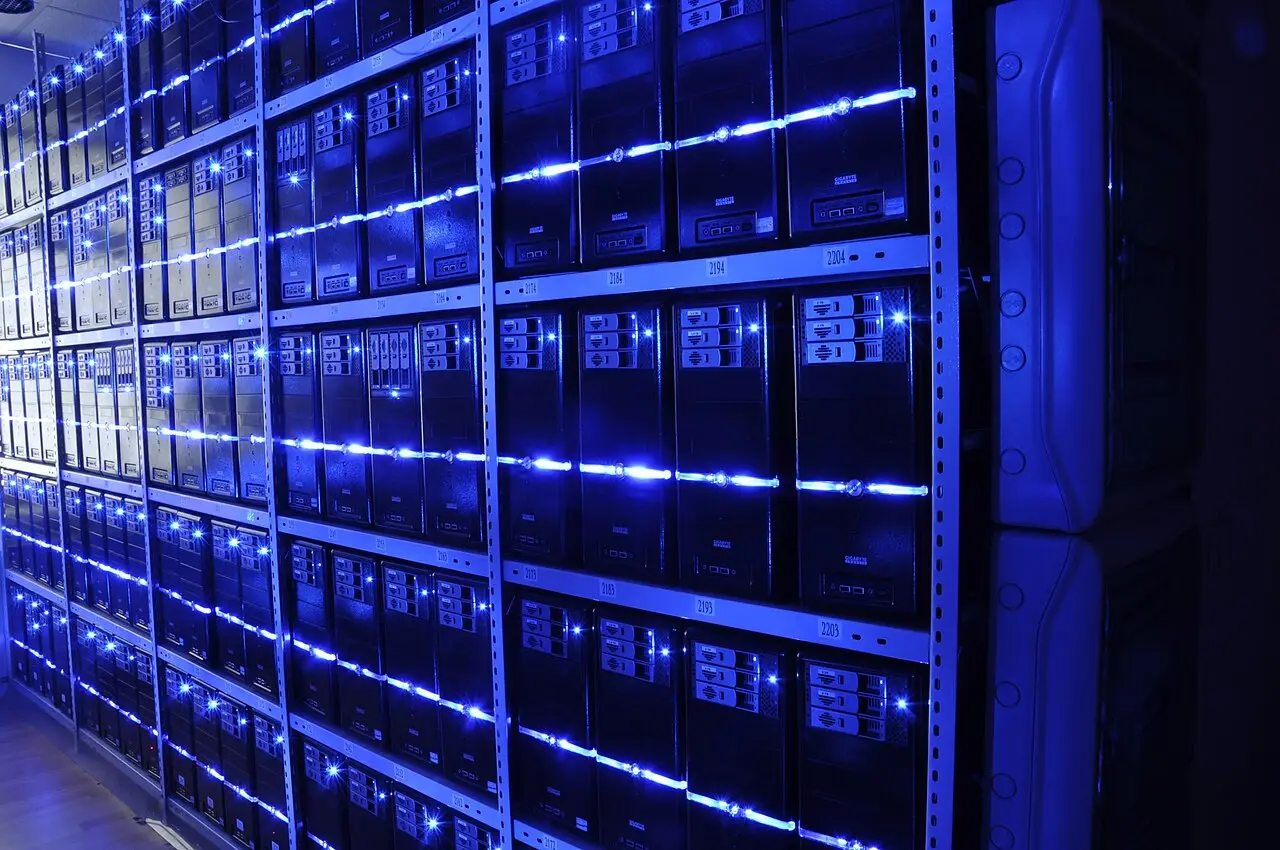
Microsoft has pulled out of a huge AI datacentre in Essex that the government once called the UK's largest, over concerns about power supplies.
The datacentre, being developed by the British company Nscale at Loughton, was announced in 2025 and had been due to open next year. Microsoft was expected to be its anchor tenant, and was its only publicly announced customer for the site.
A power problem
Earlier this month it emerged that UK Power Networks, which runs the electricity network across London and the south east, had told Nscale it could not supply enough power to the site until the early to mid-2030s.
Nscale said it remained committed to the project and was looking at generating power on site and speeding up its connection. "We remain committed to both the Loughton project and the UK, and we are exploring alternative power sources for the site, in addition to other expansion sites in the UK," a spokesperson said. "Our relationship with Microsoft remains strong and long-term, and this unfortunate London-wide grid issue has no impact on our other contracts."
Microsoft is understood to remain on board for another Nscale project in Norway. The withdrawal was first reported by the Telegraph.
A blow to "sovereign AI"
The previous government highlighted the Loughton project when it announced the UK's AI strategy in 2025, describing it as the "largest UK sovereign AI datacentre". Datacentres provide the huge computing power needed to build and run AI systems such as chatbots.
Nscale, which is backed by Nvidia and others, has positioned itself as Britain's "sovereign" datacentre provider. It is one of a group of so-called neoclouds with close ties to Nvidia, and had hoped to float on Wall Street this year at a valuation of up to $35bn. Losing an anchor tenant could make that harder. The former deputy prime minister Nick Clegg and the former Meta chief operating officer Sheryl Sandberg sit on its board.
Some analysts have warned that neoclouds, many of which have taken on large debts, could be a weak point in the AI economy if projects are delayed.
Energy is the bottleneck
The setback shows how much electricity has become an obstacle to datacentre development. Large AI datacentres can need as much power as a small town, and connections to the national grid can take many years. Research this year suggested datacentres already use about 6% of electricity in the UK and the US.
The government has set up AI growth zones intended to speed up planning and power connections for datacentres, and areas across the country are competing to attract them, arguing that land and grid capacity can be easier to secure away from London and the south east.
Official figures show investment in AI has helped the UK economy beat expectations this year, even as the war in the Middle East has unsettled global business.
More in Technology
All


Latest news
Featured posts
-
Things to do
Top 10 places to visit in Birmingham
-
Food and drink
The 12 most popular food spots in Birmingham
-
Things to do
The best laser tag locations in Birmingham