
Severe drought declared in parts of southern England
Two reservoirs are below 20% full after the hottest summer on record, and the Environment Agency is asking everyone to use less water.
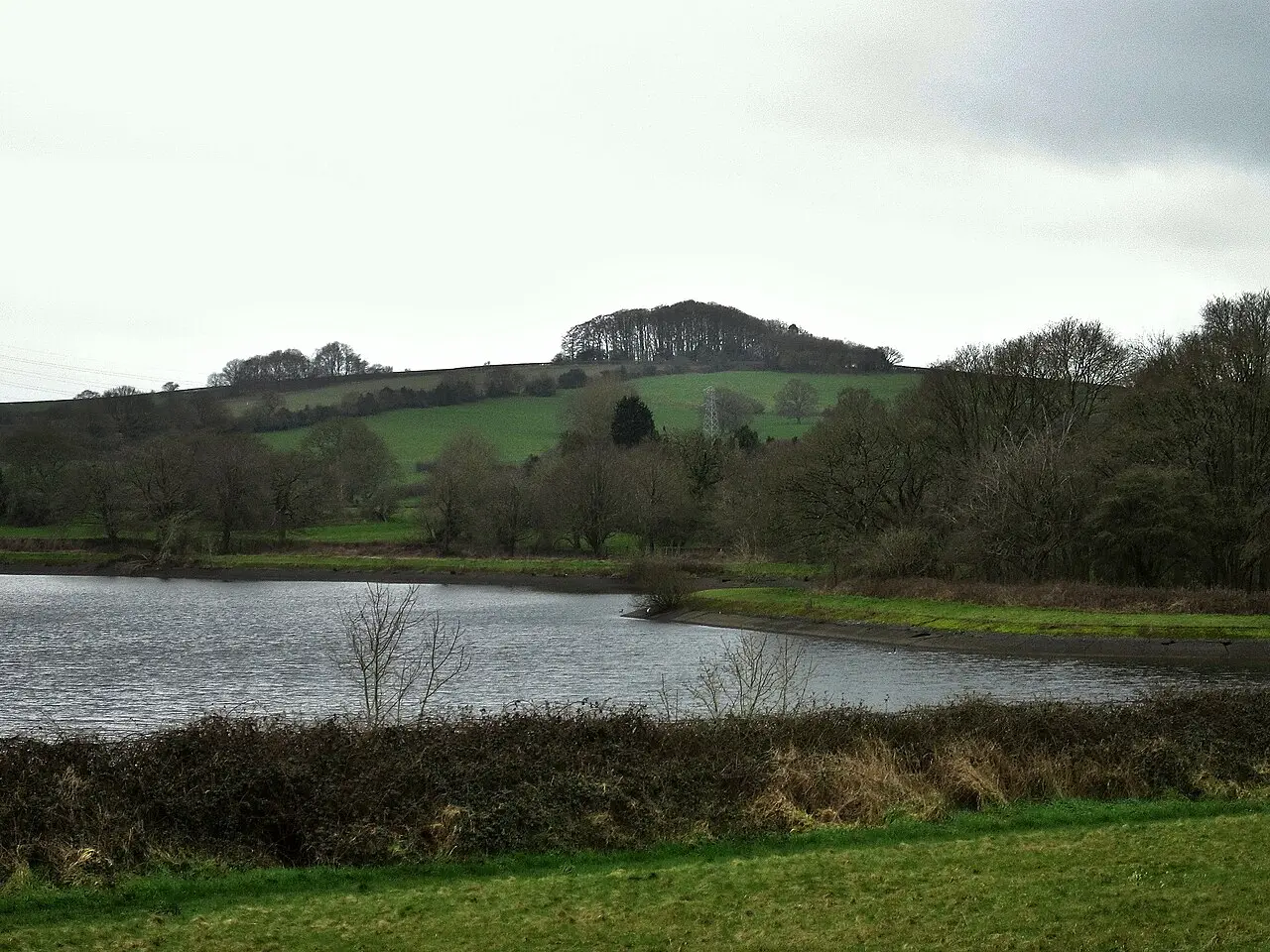
Severe drought has been declared across parts of southern England after months of low rainfall and the hottest summer on record.
Parts of Cornwall, Devon, Dorset, Somerset, East Sussex and West Sussex are affected, following a review by the National Drought Group. The South East and South West have had their driest April to September in more than a century.
Reservoirs running low
The move was prompted by concern over two major reservoirs. Wimbleball on Exmoor, which serves about 300,000 properties, was at 14.9% of capacity, and Ardingly in West Sussex, which serves 280,000 customers, was 19.4% full. The Environment Agency would normally expect reservoirs to be about 75% full at this time of year.
Other reservoirs in the South West are also low, including Roadford, Burrator, Colliford and Stithians.
What it means
The government said customers' supplies would not be interrupted, and that declaring severe drought "ensures proactive steps are taken to safeguard water before any disruption occurs". Water companies must monitor reservoir and river levels daily, and the Environment Agency will step up checks on businesses that take water from rivers and underground sources.
A hosepipe ban has been in place across Devon, Cornwall, the Isles of Scilly and parts of Dorset and Somerset since 8 August, and Wessex Water introduced its first hosepipe ban in 50 years in August.
Philip Duffy, the Environment Agency's chief executive, said: "Record-breaking summer heat and severe drought have put our water resources under immense pressure. Recovery depends on both rainfall and how much water we use."
The Environment Secretary, Dame Angela Eagle, said: "This level of drought is something we have not experienced for decades. I'd continue to urge everyone to think about how they can use water wisely over the coming weeks."
What about Birmingham?
Birmingham is not in one of the severe drought areas, but the region remains officially in drought. Severn Trent, which supplies the city, has not introduced a hosepipe ban, but has asked customers to use water wisely to help protect supplies through the winter.
Much of Birmingham's water comes from the Elan Valley reservoirs in mid Wales, carried to the city by a 73-mile aqueduct that has been in use since 1904. It is stored at Frankley and Bartley reservoirs on the south-west edge of the city before treatment.
How to save water
Simple steps can make a real difference:
- take shorter showers and turn off the tap while brushing your teeth
- only run washing machines and dishwashers with full loads
- fix dripping taps and leaking toilets
- use a watering can rather than a hose in the garden
Forecasters say a wetter late autumn and winter is possible, but reservoirs and groundwater need weeks of steady rain to recover.
More in Weather
All

Latest news
Featured posts
-
Things to do
Top 10 places to visit in Birmingham
-
Food and drink
The 12 most popular food spots in Birmingham
-
Things to do
The best laser tag locations in Birmingham