
Helium found around a habitable-zone planet
The signal could be the first atmosphere found on such a rocky world.
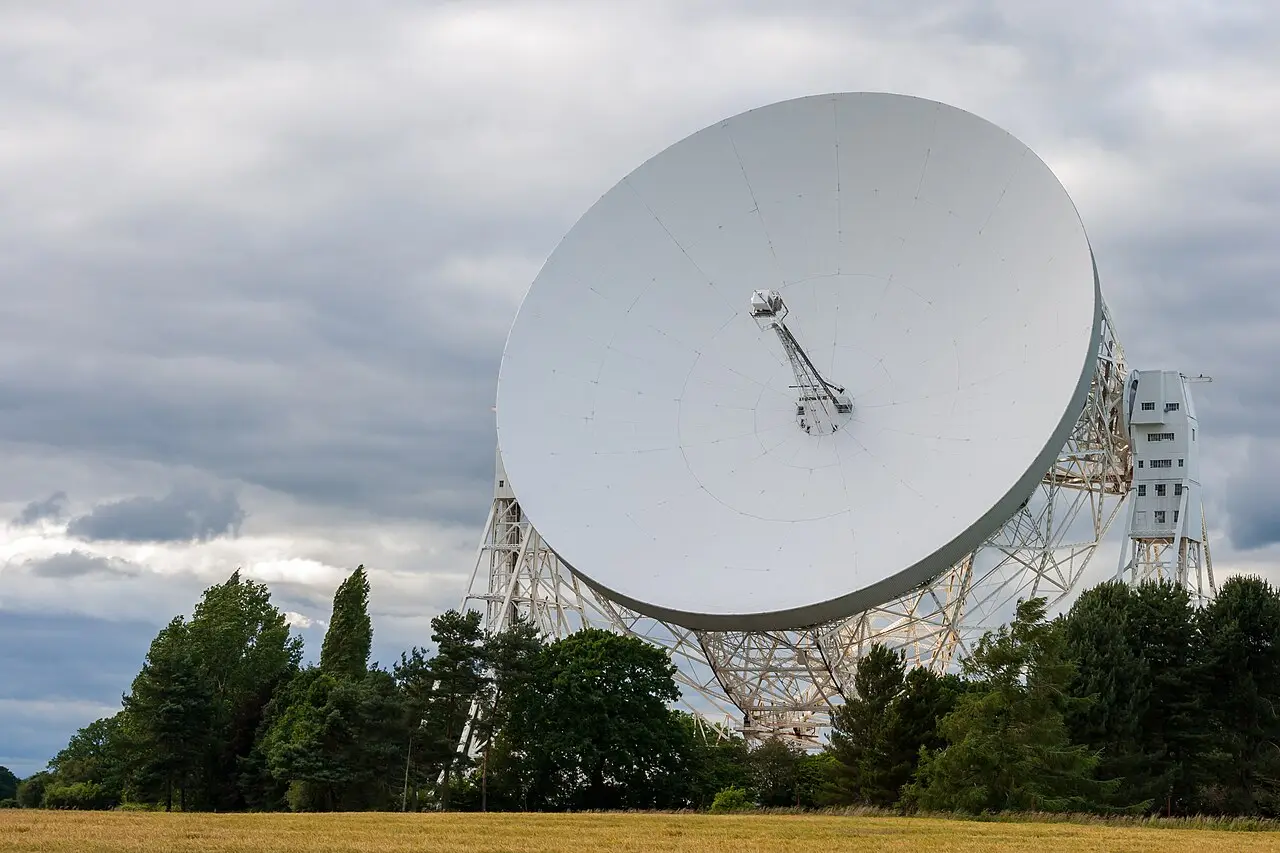
Astronomers say they have found signs of an atmosphere around a rocky planet in the habitable zone of another star, for the first time.
A team reported on 16 July that they had detected helium escaping from the upper atmosphere of LHS 1140 b, a planet around 49 light years from Earth.
The planet
LHS 1140 b orbits a small, cool red dwarf star in the constellation of Cetus. It was discovered in 2017, and is about five and a half times the mass of the Earth and about 70 per cent larger.
It lies in its star's habitable zone, the range of distances where temperatures could allow liquid water to exist on the surface. Scientists believe it may be an ocean world, with a large amount of its mass made up of water.
The planet passes in front of its star as seen from Earth, which makes it one of the best targets for studying the atmospheres of potentially habitable worlds.
How it was found
The team used the Magellan Clay Telescope at Las Campanas Observatory in Chile to watch the planet as it passed in front of its star. They measured extra absorption of starlight at a wavelength that matches helium, suggesting that gas was streaming away from the planet.
Why it matters
An atmosphere is essential for a planet to support life as we know it. Many planets around red dwarf stars are thought to lose their atmospheres because of intense radiation from their stars.
If confirmed, the detection would be the first evidence that a rocky planet in the habitable zone of another star has kept an atmosphere.
Caution
Scientists say the result needs to be confirmed by further observations, including with the James Webb Space Telescope, before firm conclusions can be drawn.
An atmosphere does not mean the planet is habitable. Its make-up and thickness will determine whether conditions could support liquid water or life.
The search for life
More than 6,000 planets have now been found orbiting other stars. Astronomers are focusing on a small number of rocky planets in habitable zones, hoping to find signs of water, oxygen or other gases that could indicate life.
British scientists are involved in many of the telescopes and missions used in this search, including the James Webb Space Telescope.
More in Science
All

Latest news
Featured posts
-
Things to do
Top 10 places to visit in Birmingham
-
Food and drink
The 12 most popular food spots in Birmingham
-
Things to do
The best laser tag locations in Birmingham