
BCU wins EmilyTest charter for tackling gender-based violence
It is one of only three universities in England to hold the charter.
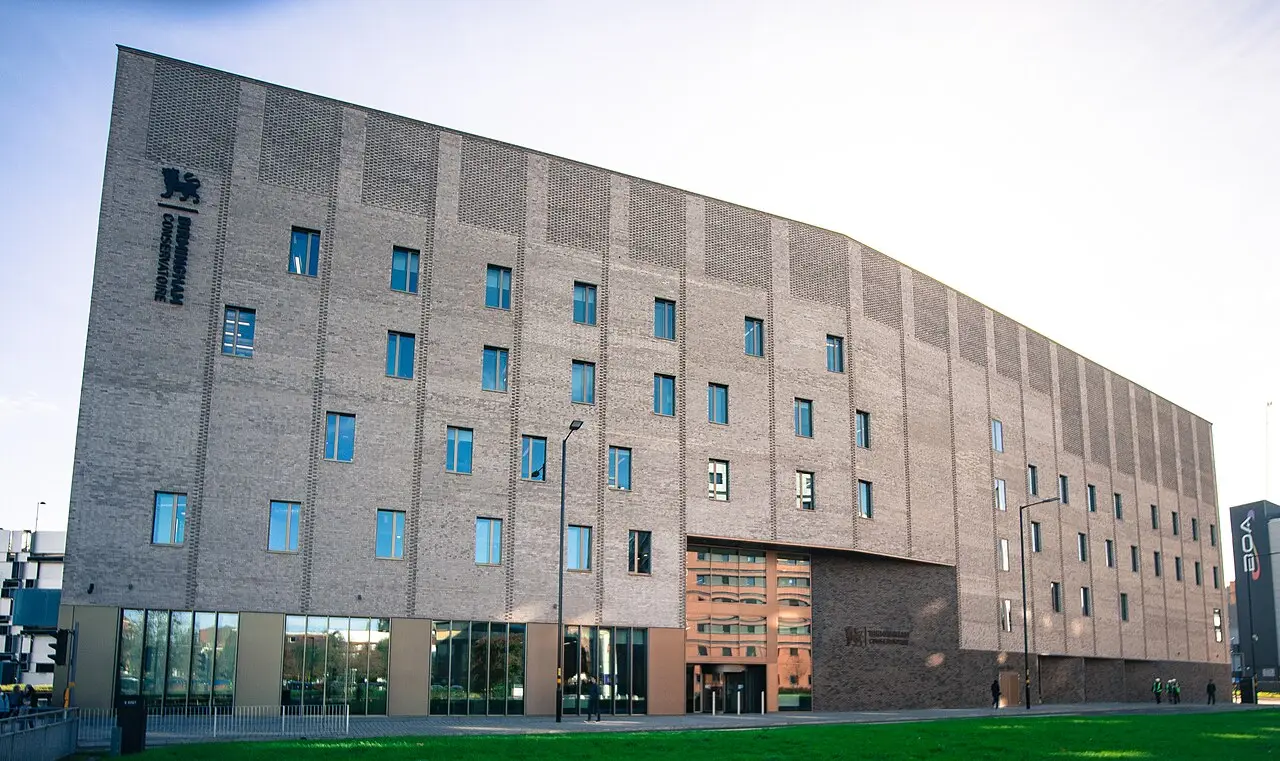
Birmingham City University has become one of only three universities in England to be awarded the EmilyTest Gender-Based Violence Charter, which recognises institutions that prevent and respond well to gender-based violence.
The charter sets out minimum standards for how universities should prevent harm, respond to reports and support students and staff affected by violence and abuse based on gender, such as sexual assault, harassment, stalking and domestic abuse.
Emily's story
The charter was founded by Fiona Drouet MBE in memory of her daughter, Emily Drouet, an 18-year-old student at a Scottish university who took her own life in 2016 after suffering sustained abuse from a fellow student. Her mother has campaigned since then for universities to do more to protect students.
The charter was first introduced at universities and colleges in Scotland and is now being extended to England.
"I would like to extend my sincere thanks to Birmingham City University for its commitment to our shared vision," Ms Drouet said.
How BCU achieved it
BCU took part in a two-year pilot with EmilyTest, helping to shape the standards for English universities. It then submitted evidence showing that its policies and practices met the charter's core principles: being open and learning, educated and empowered, comprehensive and connected, equal and inclusive, and safe and effective.
The university was particularly praised for its Report and Support platform, which allows students affected by gender-based violence to find reporting options and support easily, including anonymously.
Professor David Mba, Vice-Chancellor, said: "Achieving EmilyTest Charter status is an important moment for BCU."
The scale of the problem
Surveys of UK students have repeatedly found that many have experienced sexual harassment or violence while at university, and that most do not report it. The Office for Students, which regulates universities in England, introduced new requirements in 2025 for universities to take steps to prevent and tackle harassment and sexual misconduct.
What universities are doing
Measures include consent training for new students, clear reporting systems, trained staff who can support people who come forward, and policies on relationships between staff and students. Campaigners say universities must also take action against perpetrators, while making sure processes are fair.
A focus across Birmingham
Tackling violence against women and girls is a focus for several of Birmingham's universities. Last month, researchers at Aston University showed Birmingham Yardley MP Jess Phillips their work on technology-facilitated abuse and on duty of care in reality television.
Where to get help
Students at any university can speak to their student support or wellbeing services. Anyone affected by sexual violence can contact Rape Crisis England and Wales, which runs a free 24-hour support line on 0808 500 2222. The National Domestic Abuse Helpline is available on 0808 2000 247. In an emergency, always call 999.
About BCU
Birmingham City University has around 30,000 students across its campuses in the city centre and Edgbaston. It recently rose 14 places to 99th in The Times and Sunday Times Good University Guide 2027.
Supporting friends
Campaigners say friends are often the first people someone confides in after experiencing abuse. They advise listening without judgement, believing the person, letting them decide what to do next and helping them find support, rather than pressuring them to report. Universities increasingly offer bystander training, which teaches students how to step in safely when they see something worrying.
More in Education
All

Latest news
Featured posts
-
Things to do
Top 10 places to visit in Birmingham
-
Food and drink
The 12 most popular food spots in Birmingham
-
Things to do
The best laser tag locations in Birmingham