
Bournville School has the highest unauthorised absence rate in the city
Its rate of 7.2% compares with a national average of 2.9%, as schools are set attendance targets for the first time.
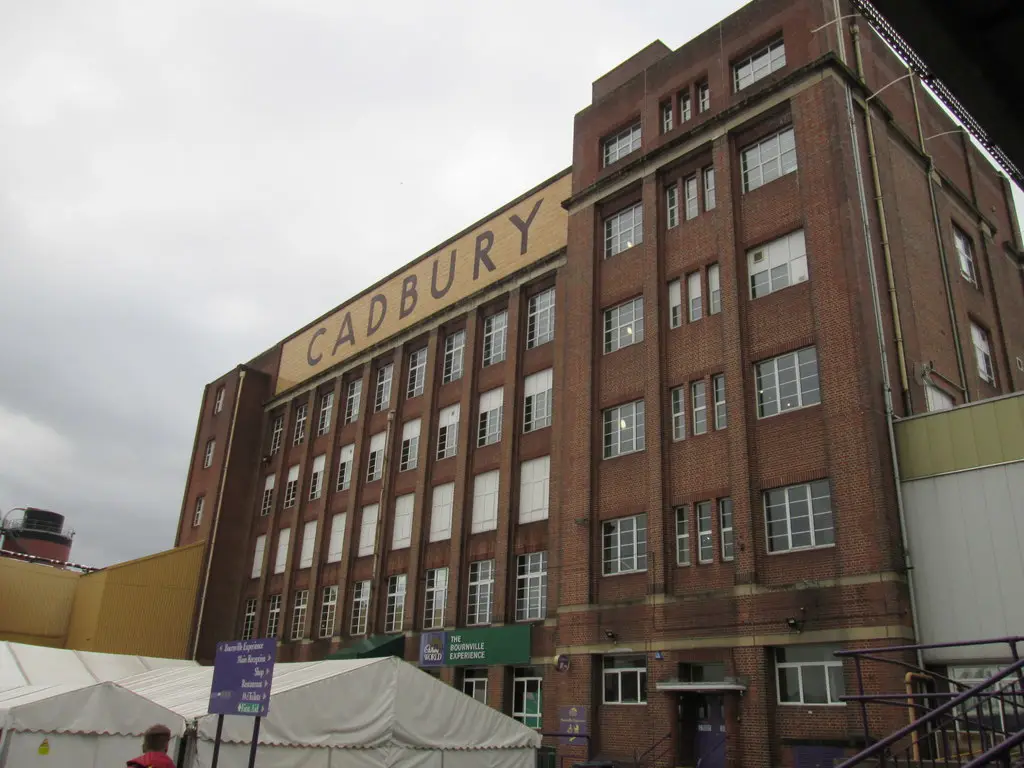
Bournville School had the highest rate of unauthorised absence of any state secondary in Birmingham last year, new government figures show.
Its unauthorised absence rate during the autumn and spring terms of 2025-26 was 7.2%, against a national average of 2.9%. Bournville is an all-through school, taking pupils aged 4 to 16.
The other schools
Only one other state-funded secondary in the city had a rate above 7%: E-ACT Shenley Academy, on 7.1%. Lift Greenwood Academy in Castle Vale was just behind on 6.9%.
What unauthorised absence means
An absence is unauthorised when a pupil misses school without a reason the school accepts. That includes term-time holidays the head has not agreed, lateness after the register closes, and absences for things like family birthdays, shopping trips or car trouble. Often, it simply means a pupil has skipped school without their parents knowing.
Absence for illness or medical appointments is usually authorised, and is counted separately.
The national picture
Across England, unauthorised absences made up about 2.9% of school sessions in the autumn and spring terms. The rate has fallen slightly over the past two years but is still about twice what it was before the pandemic.
That is the equivalent of about 11.7 million school days missed across the two terms. About 1.1 million were lost to term-time holidays and lateness, while the vast majority, 9.3 million, were for "other" reasons.
New targets
The figures come as headteachers are given individual attendance targets by the Department for Education, part of a drive to bring absence down after it rose sharply following the pandemic.
Earlier this week it emerged that Birmingham schools have issued nearly 10,000 fines to parents this year for unauthorised absences, mostly for term-time holidays.
Why attendance matters
The government says pupils who attend regularly do better at school, and that persistent absence, defined as missing 10% or more of sessions, is linked to lower GCSE results and poorer prospects later in life.
Schools and councils say the reasons behind absence are often complicated. Anxiety and mental health problems, special educational needs that are not being met, caring responsibilities at home and the cost of living have all been cited by headteachers as factors.
Schools in areas with higher levels of deprivation tend to have higher absence rates, and many have staff dedicated to working with families to get children back into class. Parents who are worried about a child's attendance are encouraged to talk to the school early, so that support can be put in place before problems become entrenched.
Birmingham City Council's attendance team works with schools and families where absence becomes a serious concern, and can take legal action as a last resort.
More in Education
All
Latest news
Featured posts
-
Things to do
Top 10 places to visit in Birmingham
-
Food and drink
The 12 most popular food spots in Birmingham
-
Things to do
The best laser tag locations in Birmingham