
Clean Air Zone halves share of polluting vehicles in first year
Nitrogen dioxide fell by 13 per cent in six months, and taxi drivers can now get grants of up to £10,000.
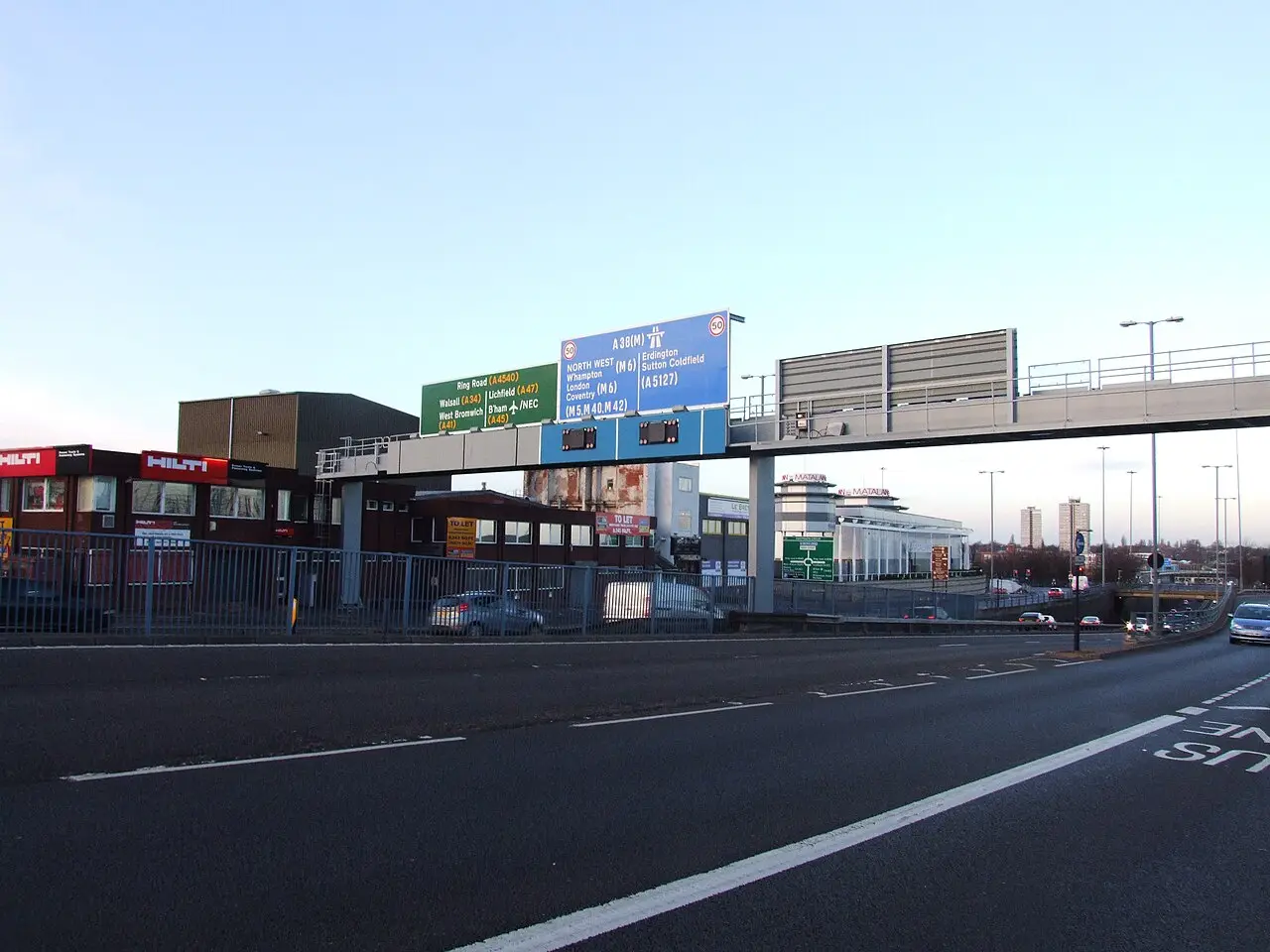
Air quality in central Birmingham has improved in the first year of the Clean Air Zone, with the proportion of the most polluting vehicles entering the city centre halving.
The share of vehicles that do not meet the zone's standards fell from 18.7 per cent on 1 June 2021, when the zone launched, to 9.2 per cent in April this year. That helped cut levels of nitrogen dioxide by 13 per cent in the first six months of the scheme.
How the zone works
The Clean Air Zone covers the area inside the A4540 Middleway ring road. It aims to change driver behaviour by charging the most polluting vehicles a daily fee to enter: £8 for cars, taxis and vans, and £50 for lorries, coaches and buses. The scheme also offers some short-term and permanent exemptions, and financial incentives to help people switch to cleaner vehicles.
Vans lag behind
Nearly one in ten vehicles entering the zone are vans. Of those, 79 per cent meet the emissions standard, which is below the rate for other commercial vehicles, such as buses at 98 per cent and lorries at 95 per cent.
To help boost compliance, small and medium-sized businesses in the region that use vans may be able to apply for grants of up to £4,000 per vehicle to help pay for upgraded or replacement vans.
More help for taxi drivers
The council has also increased the grant available to Birmingham-licensed taxi and private hire drivers who switch to ultra low emission vehicles. Both can now apply for up to £10,000 to cover the running costs of such a vehicle, up from £2,500 for private hire drivers and £5,000 for black cab drivers.
"We cannot rest on our laurels"
Councillor Liz Clements, cabinet member for transport, said: "This month marks the first anniversary of Birmingham's Clean Air Zone. I am pleased to say we have made good progress towards our goal of improving air quality in the city centre but we cannot rest on our laurels, so we are offering some additional support to help accelerate our journey to becoming a clean air city and to help improve the lives of everyone who lives and works in the city."
Why it matters
The zone was introduced because levels of nitrogen dioxide in the city centre were above legal limits, and the government ordered the council to bring them down in the shortest possible time. Poor air quality has been linked to hundreds of early deaths in the city every year, and diesel vehicles are a major source of the pollution.
The zone has not been without controversy. Some businesses and drivers, particularly those on lower incomes, have complained about the cost of the charge or of replacing their vehicles, and the council has offered exemptions and grants to soften the impact.
The first-year figures suggest that the zone is doing what it was designed to do, by persuading drivers to switch to cleaner vehicles rather than simply paying to pollute. The council will continue to monitor air quality to check whether the improvements last and whether pollution is falling below the legal limits across the whole of the zone.
More in Environment
All
Latest news
Featured posts
-
Things to do
Top 10 places to visit in Birmingham
-
Food and drink
The 12 most popular food spots in Birmingham
-
Things to do
The best laser tag locations in Birmingham