
Cassini mission ends at Saturn
The spacecraft plunges into the planet after 13 years in orbit.
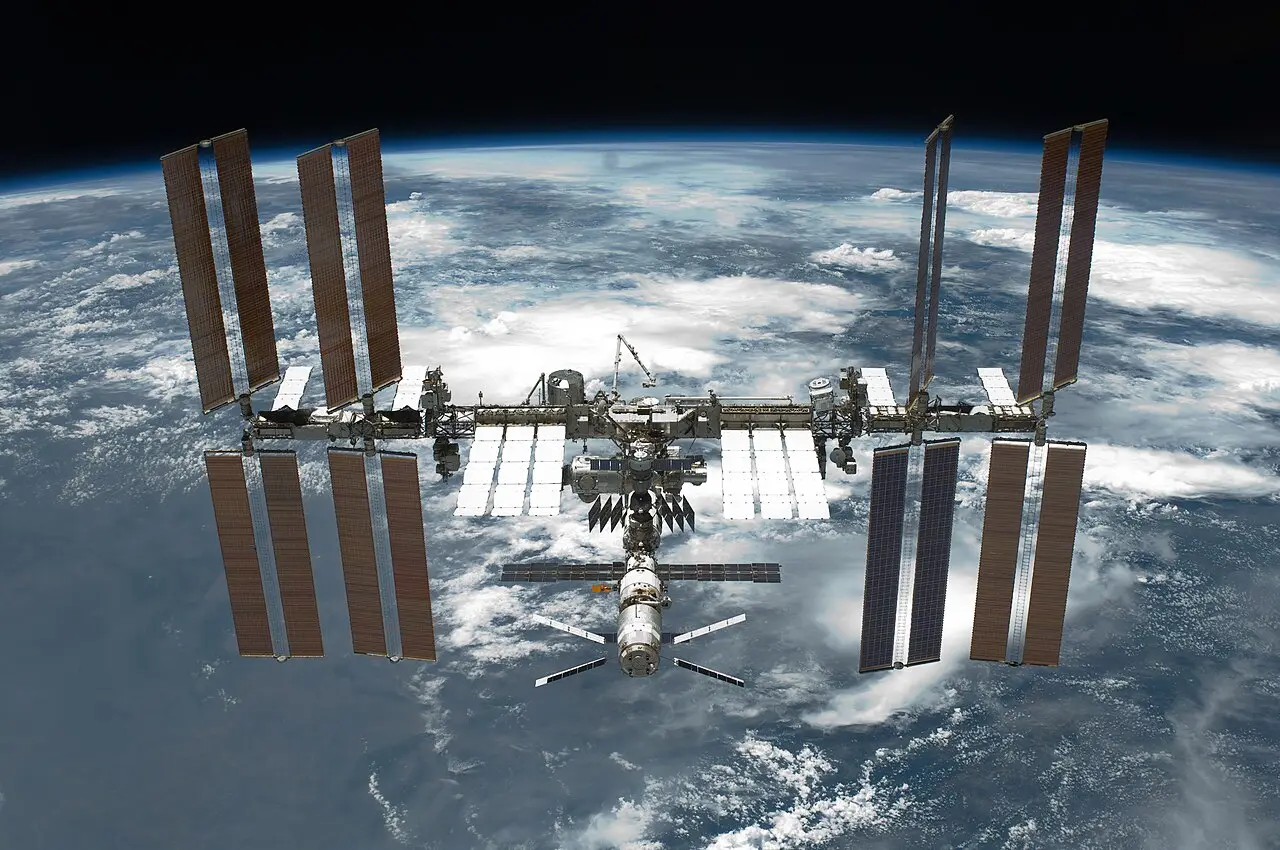
The Cassini spacecraft has ended its 20-year mission by plunging into Saturn's atmosphere, sending back data until the very end.
The final signal was received at NASA's Jet Propulsion Laboratory in California on 15 September. The spacecraft burned up in the planet's atmosphere like a meteor.
A deliberate end
Cassini was running out of fuel. Scientists decided to crash it into Saturn to make sure it could never collide with, and contaminate, Saturn's moons, some of which could harbour conditions suitable for life.
In its final months, the spacecraft carried out a series of daring dives between Saturn and its rings, a region no spacecraft had explored before.
An extraordinary mission
Cassini was launched in 1997 and arrived at Saturn in 2004. It was a joint mission between NASA, the European Space Agency and the Italian space agency.
In 2005, it released the European Huygens probe, which made the first landing on Saturn's largest moon, Titan.
Over 13 years, it orbited Saturn nearly 300 times, taking hundreds of thousands of pictures of the planet, its rings and its moons.
Discoveries
Cassini made many important discoveries. It found lakes and seas of liquid methane and ethane on Titan, the only other place in the solar system known to have stable liquid on its surface.
It also discovered jets of water shooting from the south pole of the small moon Enceladus, coming from an ocean beneath its icy surface. The ocean contains salts and organic molecules, making Enceladus one of the most promising places to search for life beyond Earth.
It watched huge storms on Saturn, discovered new moons and studied the rings in unprecedented detail.
British contribution
British scientists played an important part, leading or contributing to several of the spacecraft's instruments. Imperial College London led the team that built the magnetometer, which measures magnetic fields.
Farewell
Scientists and engineers who had worked on the mission for decades gathered to hear the final signal. Many described it as an emotional moment.
They say that data from Cassini will keep them busy for years to come.
More in Science
All

Latest news
Featured posts
-
Things to do
Top 10 places to visit in Birmingham
-
Food and drink
The 12 most popular food spots in Birmingham
-
Things to do
The best laser tag locations in Birmingham