
First draft of the human genome announced
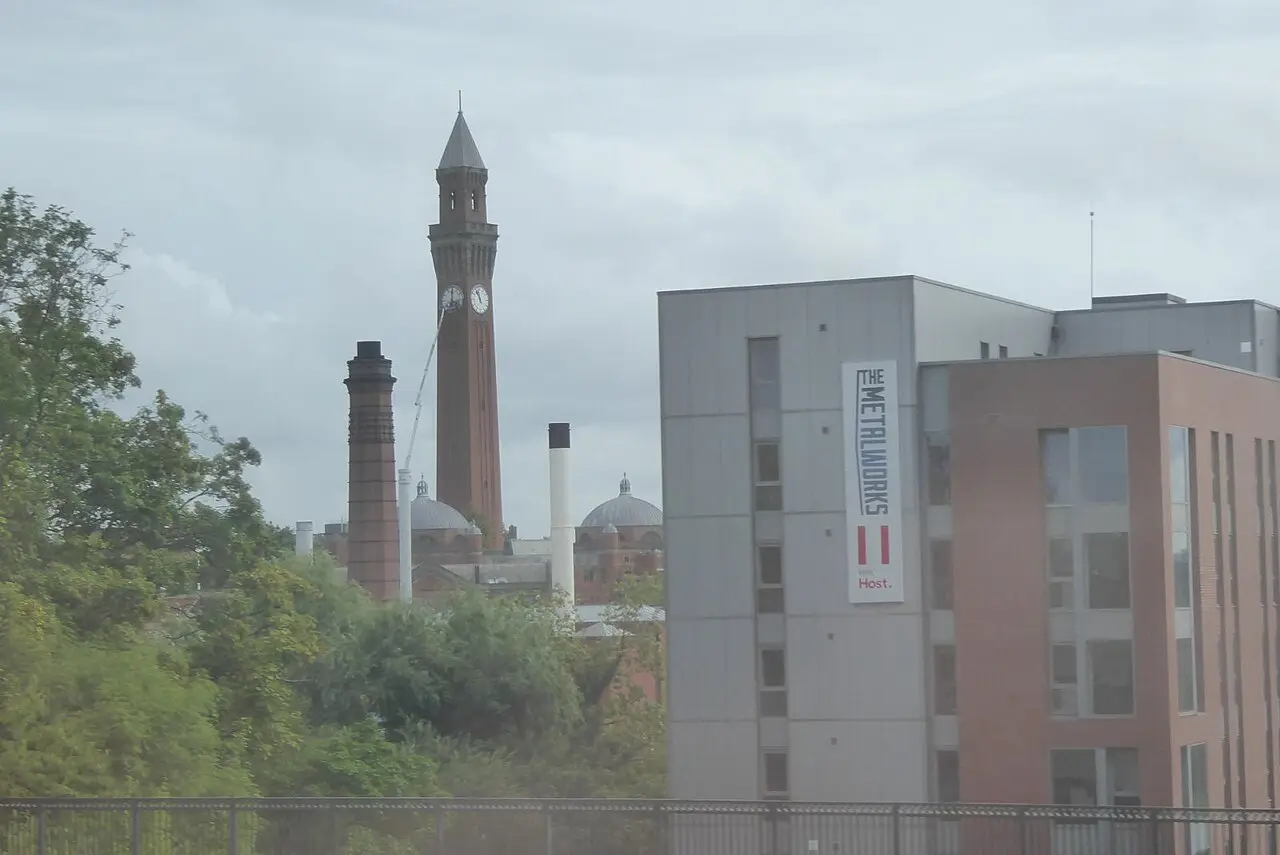
A third of the sequence was read at the Sanger Centre near Cambridge.
Scientists have announced that they have completed a first draft of the human genome, the full set of genetic instructions for building a human being.
The announcement was made on 26 June by President Bill Clinton at the White House and by the Prime Minister, Tony Blair, in London, who joined by satellite link.
The book of life
The human genome is made up of around three billion letters of DNA code, spread across 23 pairs of chromosomes in almost every cell of the body. Reading it has been compared to reading the book of life.
The draft covers around 90 per cent of the genome. Scientists will now work to fill in the gaps and correct errors, and to find the genes hidden within the sequence and work out what they do.
Britain's part
The work was carried out by the international Human Genome Project, a publicly funded effort involving laboratories in the United States, Britain, France, Germany, Japan and China. Around a third of the sequence was read at the Sanger Centre near Cambridge, funded by the Wellcome Trust, the largest contribution outside the United States.
A private American company, Celera Genomics, led by Craig Venter, has been racing to complete its own version of the genome. The two sides agreed to make a joint announcement after a long and sometimes bitter rivalry.
Free for all
The public project has made its data freely available on the internet every day, so that scientists anywhere can use it. Supporters say the human genome should belong to everyone and should not be patented by private companies.
Clinton and Blair said earlier this year that the raw data should be made freely available to scientists everywhere.
What it means
Scientists believe the genome will transform medicine over the coming decades. By understanding the genes involved in diseases such as cancer, diabetes and heart disease, researchers hope to develop better diagnosis and new treatments, and one day to tailor medicines to each patient's genetic make-up.
Clinton described the genome as the most important, most wondrous map ever produced by humankind.
Ethical questions
The project has also raised difficult questions. Some worry that genetic information could be used to discriminate against people in insurance or employment, or lead to attempts to design babies.
Scientists say it will take many years to understand fully what the genome tells us, but that a crucial milestone has been reached.
More in Science
All

Latest news
Featured posts
-
Things to do
Top 10 places to visit in Birmingham
-
Food and drink
The 12 most popular food spots in Birmingham
-
Things to do
The best laser tag locations in Birmingham