
UK economy shrinks in April
Output falls 0.1 per cent as the Iran war hits businesses and consumers.
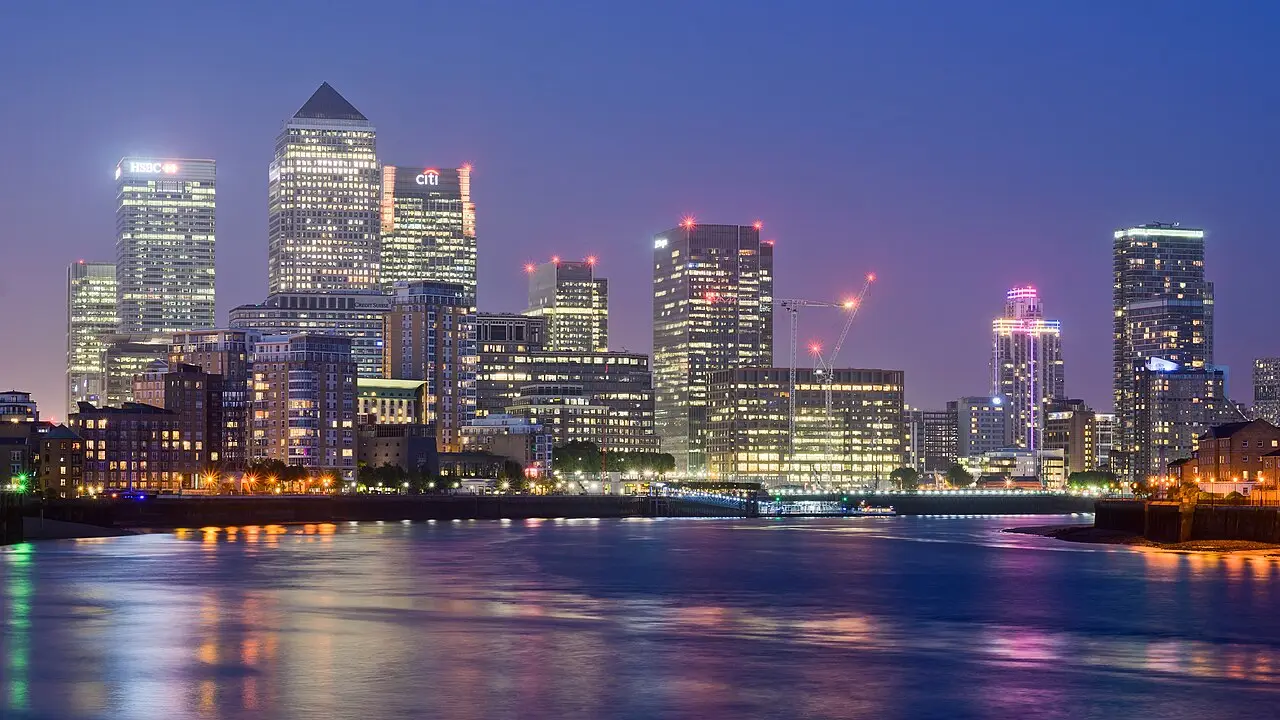
The UK economy shrank by 0.1 per cent in April, as the war with Iran hit businesses and consumers.
The Office for National Statistics published the figures on 12 June.
The war's impact
The ONS said the fall in output was largely due to the effects of the war with Iran, which began at the end of February. Higher energy prices have raised costs for businesses and squeezed household budgets, and uncertainty has led some companies to delay investment.
The fall follows stronger growth earlier in the year. The economy grew by 0.6 per cent in the first three months of 2026, helped by a strong performance in February.
Recession?
A recession is usually defined as two consecutive quarters of falling output. A single month's fall does not mean the economy is in recession, and figures for May and June will be important.
Inflation and interest rates
Inflation has risen since the war began, driven by higher fuel prices. The Bank of England has held interest rates at 3.75 per cent since the start of the year, and is due to make its next decision next week.
Some economists believe the Bank will keep rates on hold, balancing the risk of higher inflation against the weakness in the economy.
A peace deal?
The United States and Iran have been negotiating an agreement to end the war, brokered by Pakistan. Hopes of a deal have helped oil prices to ease in recent days. If a lasting peace is agreed, economists expect energy prices and inflation to fall.
Political pressure
The figures come at a difficult time for the government. The Prime Minister, Keir Starmer, is under pressure over his leadership, and the Defence Secretary, John Healey, resigned this week over defence spending.
Starmer has said it is his duty to stay on, and has defended the government's decisions, including asking departments to make cuts to pay for defence.
Businesses
Business groups say firms are struggling with high energy costs and weak demand, and have called on the government to do more to support growth.
Manufacturers, including car makers in the Midlands, have been particularly affected, facing higher energy costs as well as American tariffs.
More in Economy
All

Latest news
Featured posts
-
Things to do
Top 10 places to visit in Birmingham
-
Food and drink
The 12 most popular food spots in Birmingham
-
Things to do
The best laser tag locations in Birmingham