
Rubin Observatory releases first images
The largest digital camera ever built reveals millions of galaxies.
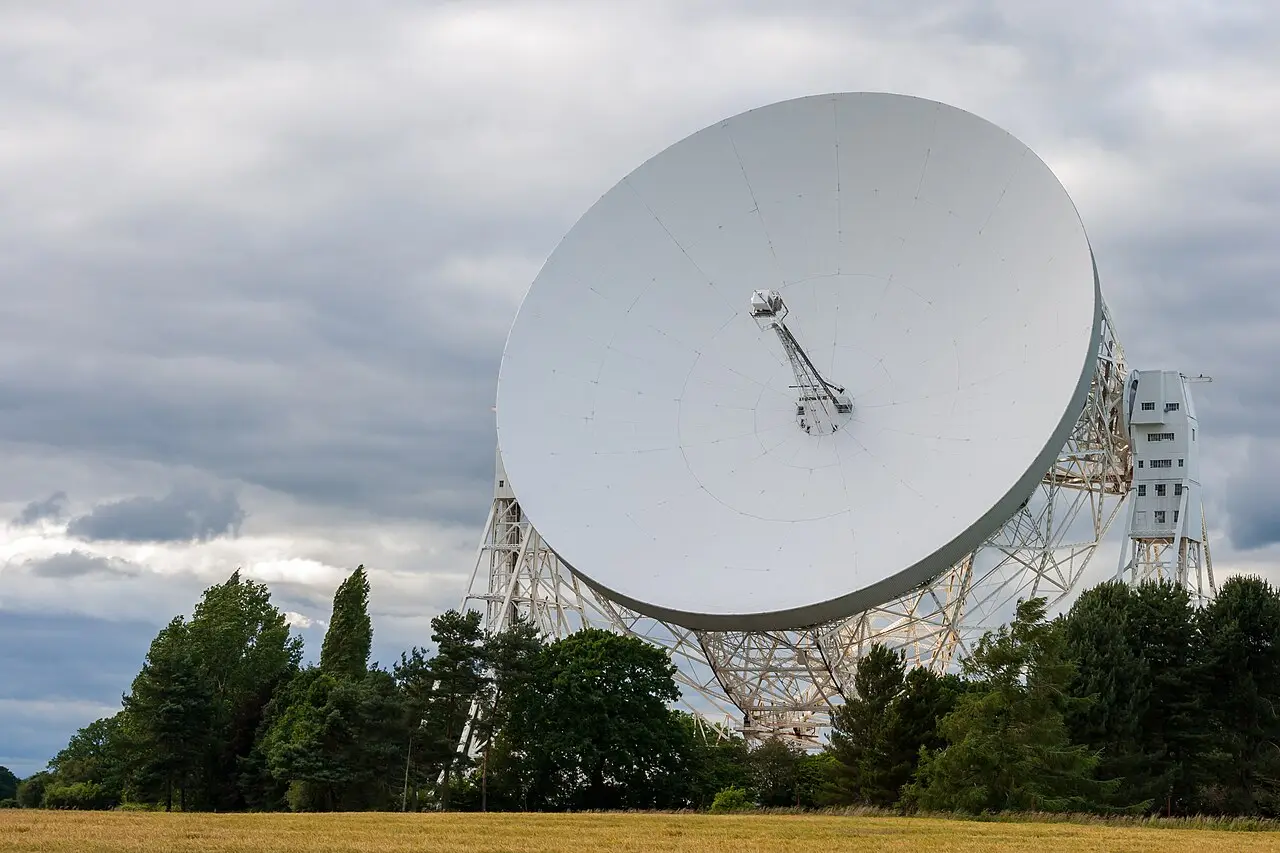
A new observatory in Chile has released its first images of the sky, revealing millions of galaxies and thousands of previously unknown asteroids.
The Vera C. Rubin Observatory unveiled the pictures on 23 June, at events in the United States and around the world.
A giant camera
The observatory sits on Cerro Pachon, a mountain in the Andes. It houses the largest digital camera ever built, with 3,200 megapixels, about the size of a small car.
The telescope has a main mirror 8.4 metres across and is designed to scan the entire southern sky every few nights, building up a time-lapse film of the universe over ten years.
First results
The first images include a detailed view of the Trifid and Lagoon nebulae, clouds of gas and dust where stars are forming, and a picture of the Virgo cluster of galaxies showing millions of galaxies.
In just ten hours of test observations, the observatory found more than 2,100 new asteroids in our solar system, including seven whose orbits bring them near the Earth, none of which pose a threat.
The survey
The observatory's main project, the Legacy Survey of Space and Time, will begin later this year. It will produce huge amounts of data, around 20 terabytes a night, and is expected to detect billions of galaxies and stars.
Scientists hope it will help them understand dark matter and dark energy, which together make up around 95 per cent of the universe but have never been directly detected. It will also track asteroids that could one day threaten the Earth.
Named after a pioneer
The observatory is named after Vera Rubin, an American astronomer whose studies of how galaxies rotate provided key evidence for dark matter. She died in 2016.
It is funded by the United States National Science Foundation and Department of Energy.
British involvement
British scientists are playing an important part. The UK is one of the largest international contributors, and a data centre in Britain, run with the University of Edinburgh, will process a large share of the data. Researchers at dozens of British universities are preparing to use the survey.
Astronomers say the observatory will transform their understanding of the changing sky.
More in Science
All

Latest news
Featured posts
-
Things to do
Top 10 places to visit in Birmingham
-
Food and drink
The 12 most popular food spots in Birmingham
-
Things to do
The best laser tag locations in Birmingham