
QE opens Midlands-first clinic for rare genetic sight loss
The clinic treats Leber hereditary optic neuropathy, which can rob young adults of their sight.

The Queen Elizabeth Hospital Birmingham has opened the first dedicated clinic in the Midlands for people with a rare genetic condition that can cause sudden and severe sight loss, often in young adults.
The clinic, run by University Hospitals Birmingham, specialises in Leber hereditary optic neuropathy, known as LHON. It will offer specialist monitoring, treatment and support for patients referred by eye health professionals from across the region.
What LHON is
LHON affects the optic nerve, which carries signals from the eye to the brain. It is caused by changes in the DNA of mitochondria, the tiny structures inside cells that produce energy, and it is passed down through the mother. It typically causes painless, rapid loss of central vision in one eye, followed by the other, often when people are of working age.
Many people who carry the genetic change never develop symptoms, and it is not fully understood why some do.
A treatment option
The clinic can prescribe idebenone, the first licensed treatment for LHON in England, which helps cells in the optic nerve produce energy more efficiently. University Hospitals Birmingham was among the first centres in England to prescribe it.
Ajay Patil, consultant neuro-ophthalmologist, said: "The availability of this treatment means we can now offer an option that may help some patients recover vision."
Carl's story
Carl Peach was diagnosed in August 2023. Within four months, his sight had gone from finding text on a computer screen blurry to barely being able to see his own hand. He has been taking idebenone for two months.
"It makes a huge difference to have this clinic and know there is the potential for help," he said.
Ryan's story
Ryan Malbon's vision began to deteriorate in August 2022. At first he thought he simply needed a stronger prescription for his glasses. Since his diagnosis he has gone on to study psychology and completed the London Marathon in 2024.
A large specialist team
The trust's neuro-ophthalmology team, which deals with problems where the eyes and the nervous system meet, is one of the largest in Europe. Bringing LHON care together in one clinic means patients can see experts who understand the condition, rather than travelling further afield.
Living with sight loss
Sudden sight loss can affect every part of a person's life, from work and driving to independence and mental health. Charities such as the Royal National Institute of Blind People and LHON Society offer advice and support, and the NHS can refer people for help with low vision aids, mobility training and registering as sight impaired.
Looking after your eyes
Anyone who notices a sudden change in their vision should seek urgent advice from an optician, their GP or NHS 111. Regular eye tests, which are free for some groups including children, people over 60 and people with diabetes, can pick up many eye conditions early.
Genetic testing
LHON is diagnosed with a blood test that looks for the genetic changes known to cause it. Because the condition is passed down through the mother's side of the family, relatives of someone with LHON may be offered genetic counselling to help them understand their own risk. Doctors also advise people who carry the genetic change to avoid smoking and to limit alcohol, as both have been linked to a higher chance of developing sight loss.
More in Health
All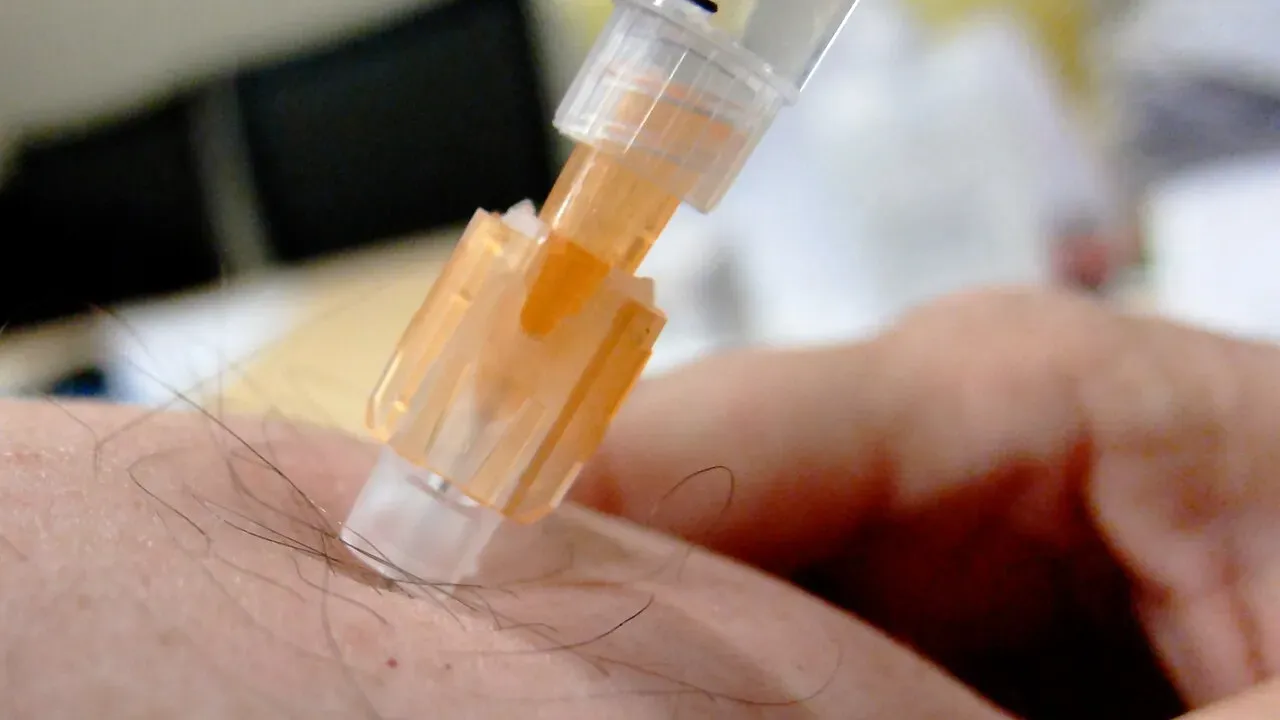


Latest news
Featured posts
-
Things to do
Top 10 places to visit in Birmingham
-
Food and drink
The 12 most popular food spots in Birmingham
-
Things to do
The best laser tag locations in Birmingham