
Philae lands on a comet
The European lander touches down after a ten-year journey, but bounces twice.
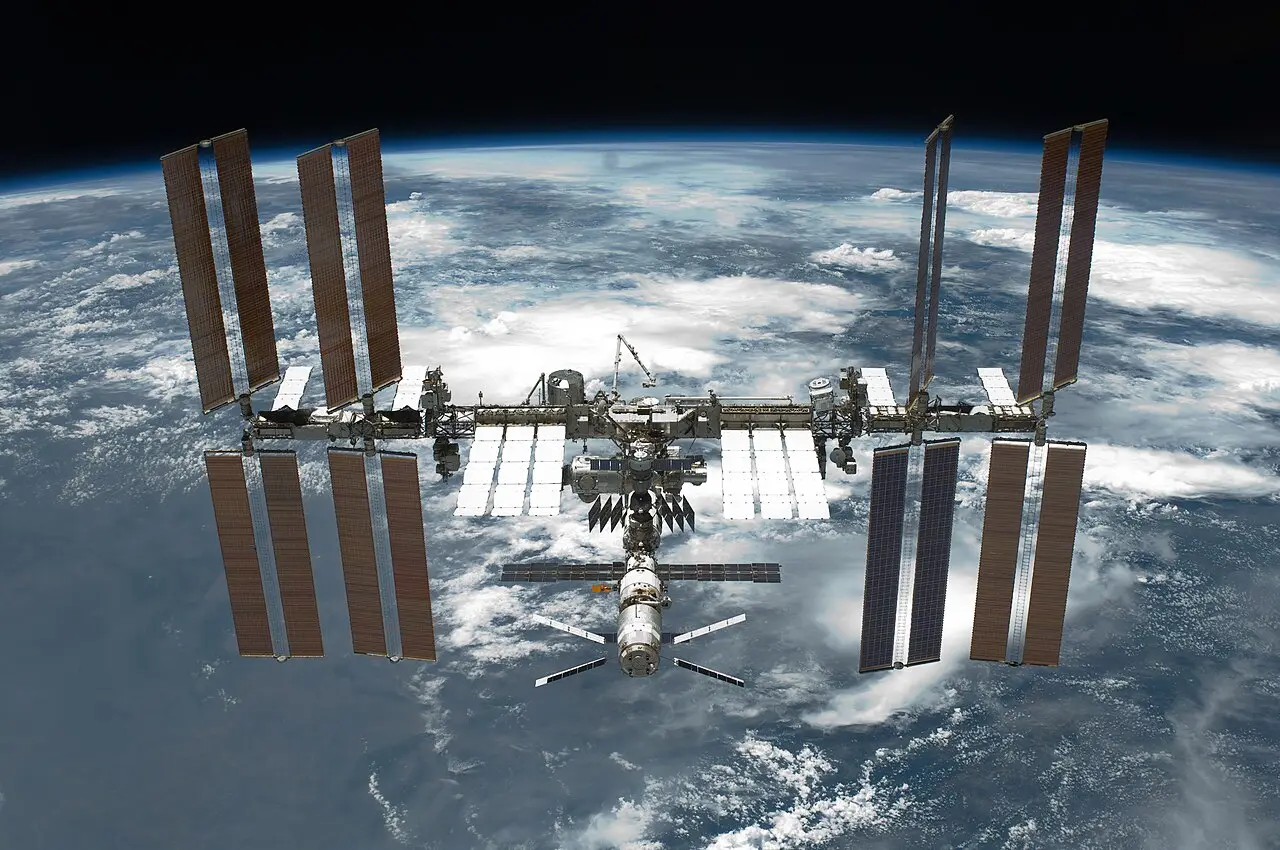
A spacecraft has landed on a comet for the first time, in a historic achievement for the European Space Agency.
The Philae lander touched down on comet 67P/Churyumov-Gerasimenko on 12 November, after a seven-hour descent from its mother ship, Rosetta.
A bouncy landing
The landing did not go entirely to plan. Harpoons designed to anchor Philae to the surface failed to fire, and the lander bounced twice before coming to rest.
It appears to have ended up in the shadow of a cliff, meaning its solar panels are receiving less sunlight than expected. Scientists fear its batteries may run down within days.
Despite this, the lander has begun sending back pictures and data from the surface.
A ten-year journey
Rosetta was launched in 2004 and travelled more than six billion kilometres, looping around the Earth and Mars to build up speed, before reaching the comet in August this year.
The comet is about four kilometres across, and is currently more than 500 million kilometres from Earth.
Why comets matter
Comets are made of ice, dust and rock left over from the formation of the solar system 4.6 billion years ago. Scientists believe they may have delivered water and organic molecules, the building blocks of life, to the early Earth.
By studying the comet up close, scientists hope to learn more about the origins of the solar system and perhaps of life itself.
British involvement
British scientists and engineers played an important part in the mission. The Open University led the development of one of Philae's instruments, called Ptolemy, which will analyse the comet's chemistry, and British companies helped build the Rosetta spacecraft.
Celebrations
There were scenes of jubilation at the mission control centre in Darmstadt, Germany, when the signal confirming the landing arrived.
The mission has captured the public's imagination around the world, with millions following it online. Rosetta will continue to orbit the comet as it approaches the Sun next year, watching as it heats up and releases gas and dust.
Scientists say the landing is a remarkable achievement, whatever happens to Philae in the coming days.
More in Science
All

Latest news
Featured posts
-
Things to do
Top 10 places to visit in Birmingham
-
Food and drink
The 12 most popular food spots in Birmingham
-
Things to do
The best laser tag locations in Birmingham