
Orionid meteor shower peaks this week
Fragments of Halley's comet will streak across the sky, with the best views after the Moon sets in the early hours of 22 October.
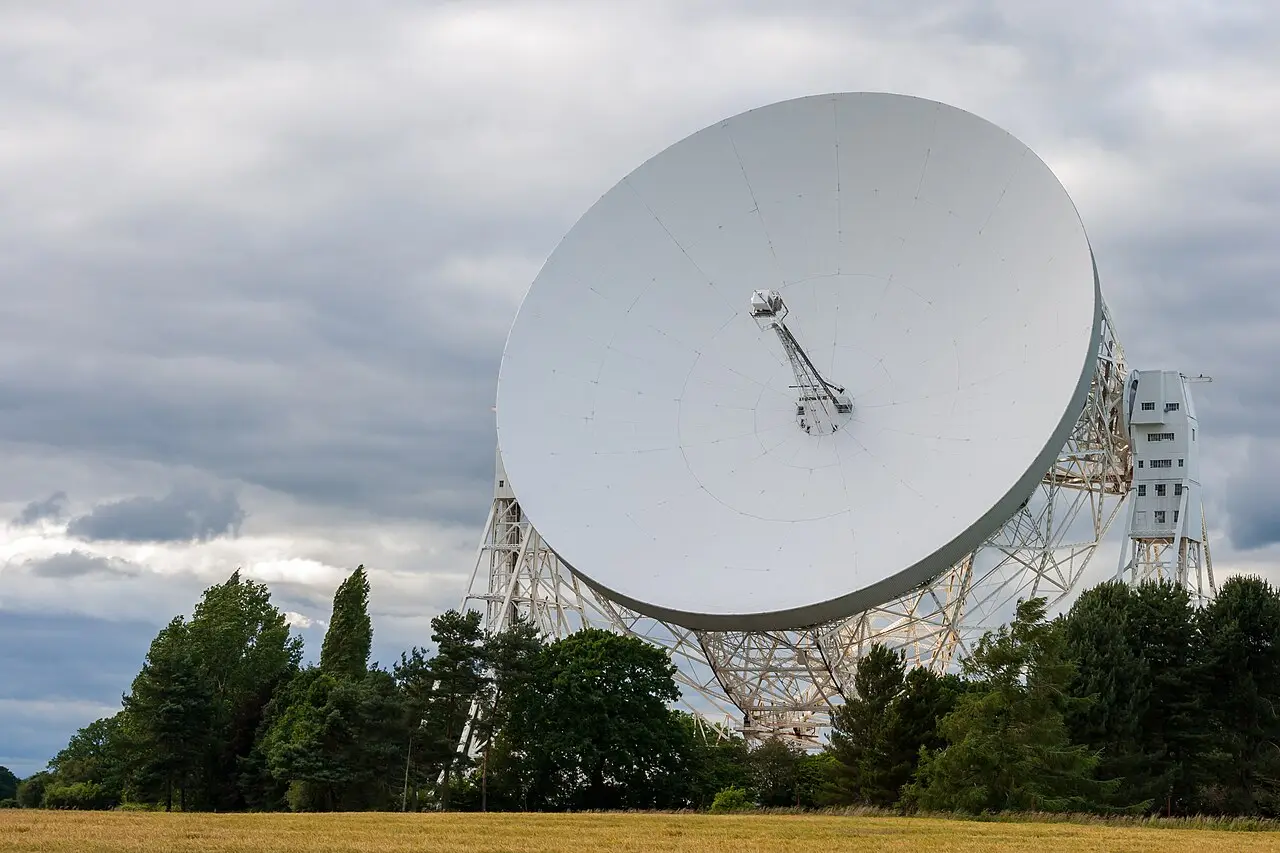
The Orionid meteor shower reaches its peak this week, giving skywatchers the chance to see fragments of the most famous comet of all burning up in the night sky.
The shower is expected to peak during the night of 21 to 22 October. Under ideal conditions, observers may see 10 to 20 meteors an hour.
Dust from Halley's comet
The Orionids happen every October as the Earth passes through a stream of dust left behind by Halley's comet. The tiny particles hit the atmosphere at about 66 kilometres a second, heating the air around them and producing the brief streaks of light we call meteors, or shooting stars. Some leave glowing trails that last a few seconds.
Halley's comet takes about 76 years to orbit the Sun. It was last seen from Earth in 1986 and will not return until 2061, but its debris produces two meteor showers every year: the Eta Aquariids in May and the Orionids in October.
A bright Moon
Conditions this year are not ideal, because a bright waxing gibbous Moon will drown out many of the fainter meteors. But the Moon sets at about 3am, leaving a few hours of darker sky before dawn, just as the constellation of Orion climbs high in the sky.
The meteors appear to come from a point near Orion, which gives the shower its name, but they can appear anywhere in the sky.
How to watch
- find a safe spot with as wide a view of the sky as possible, away from street lights
- give your eyes 15 to 20 minutes to adjust to the dark
- use only your eyes: binoculars and telescopes narrow your view too much
- wrap up warm, and take a reclining chair or blanket
Watching from Birmingham
Light pollution makes it hard to see fainter meteors from the city centre. Darker spots on the edge of the city, such as the Lickey Hills or Sutton Park, give a better chance, although brighter meteors can be seen even from a back garden if you turn off outside lights.
The weather may also play a part. Forecasters expect a more changeable week, with bands of rain crossing the country, so it will be worth checking for clear spells before heading out.
If the peak night is cloudy, it is still worth looking on the nights either side, because the Orionids are active from early October to early November. Meteors can come in bursts, with several in a few minutes followed by long quiet spells, so patience is the key. Photographers can try a camera on a tripod with a long exposure to catch the trails.
More in Science
All


Latest news
Featured posts
-
Things to do
Top 10 places to visit in Birmingham
-
Food and drink
The 12 most popular food spots in Birmingham
-
Things to do
The best laser tag locations in Birmingham