
Orban loses Hungarian election in landslide
Peter Magyar's Tisza Party wins a two-thirds majority, ending 16 years of Fidesz rule.
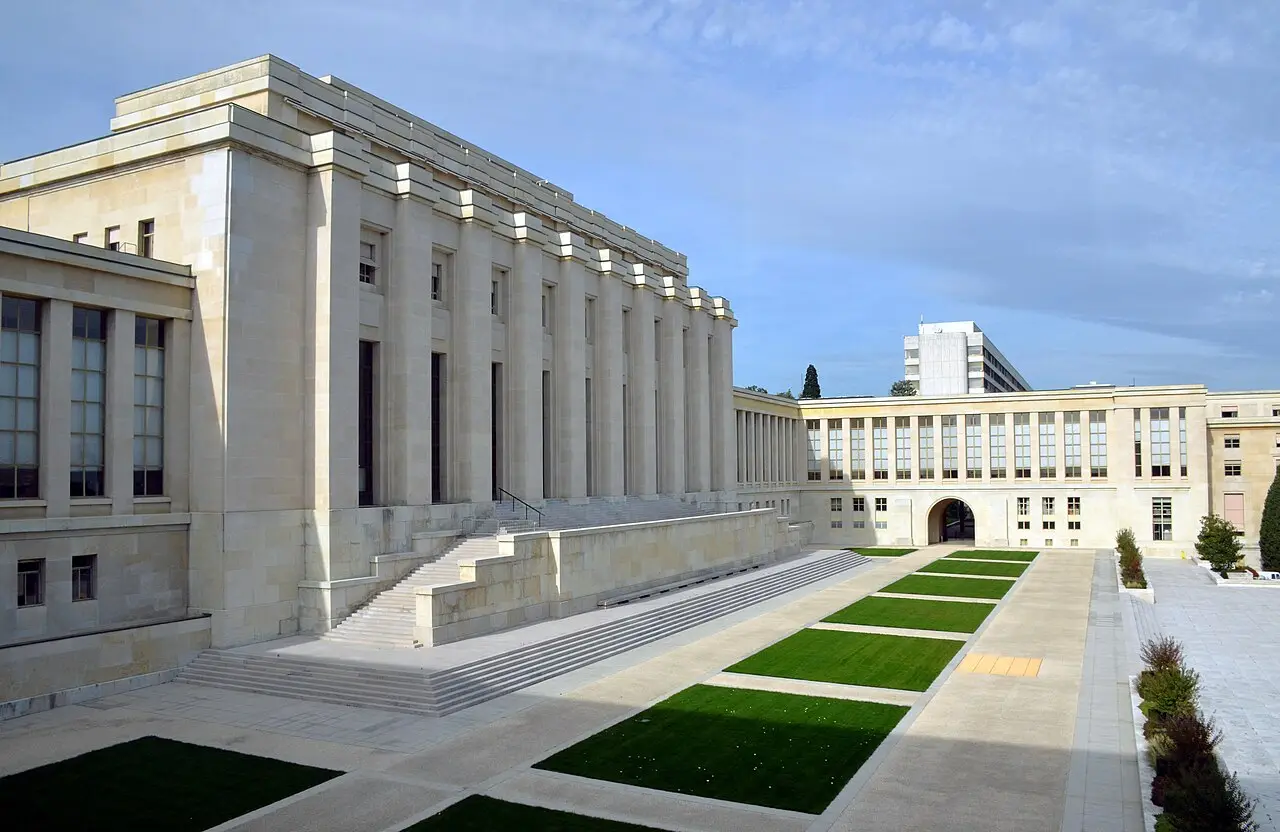
Viktor Orban has lost Hungary's general election in a landslide, ending 16 years in power as prime minister.
The opposition Tisza Party, led by Peter Magyar, won a two-thirds majority in the election on 12 April, giving it enough seats to change the constitution.
A crushing result
Tisza won 141 of the 199 seats in the National Assembly. It is the largest share of the vote and the largest number of seats any party has won in a free election in Hungary.
Turnout was the highest since the country's return to democracy in 1990.
Orban's Fidesz party and its allies, the Christian Democrats, were heavily defeated. The only other party to win seats was the far-right Our Homeland Movement.
Orban concedes
Orban conceded defeat on election night and congratulated Magyar. He has been prime minister since 2010, having also served from 1998 to 2002, making him the longest-serving leader in the European Union.
Who is Peter Magyar?
Magyar is a former member of Fidesz who broke with the party in 2024 and took over Tisza, a small centre-right party. He campaigned against corruption and promised to restore Hungary's relations with the European Union.
He is a member of the European Parliament. Many other opposition parties withdrew from the election so as not to split the anti-Orban vote.
A turning point for Europe
The election was seen as one of the most important in Europe this year. Orban has had close relations with Russia and has often clashed with the European Union over the rule of law, migration and support for Ukraine. His government promoted what he called illiberal democracy.
European leaders have welcomed the result. Commentators describe it as a defeat for Russia and for nationalist movements around the world that saw Orban as a model.
What happens next
Under Hungary's constitution, the president will invite the leader most likely to command a majority to form a government. Magyar is expected to become prime minister when the new parliament meets.
His government will face the task of rebuilding relations with Brussels, unlocking EU funds that have been frozen over concerns about corruption and the rule of law, and reforming institutions shaped by Orban during his long rule.
International leaders have congratulated Magyar on his victory.
More in World
All

Latest news
Featured posts
-
Things to do
Top 10 places to visit in Birmingham
-
Food and drink
The 12 most popular food spots in Birmingham
-
Things to do
The best laser tag locations in Birmingham