
One of the world's oldest Korans found at the University of Birmingham
Radiocarbon dating places the parchment between 568 and 645, close to the time of the Prophet Muhammad.
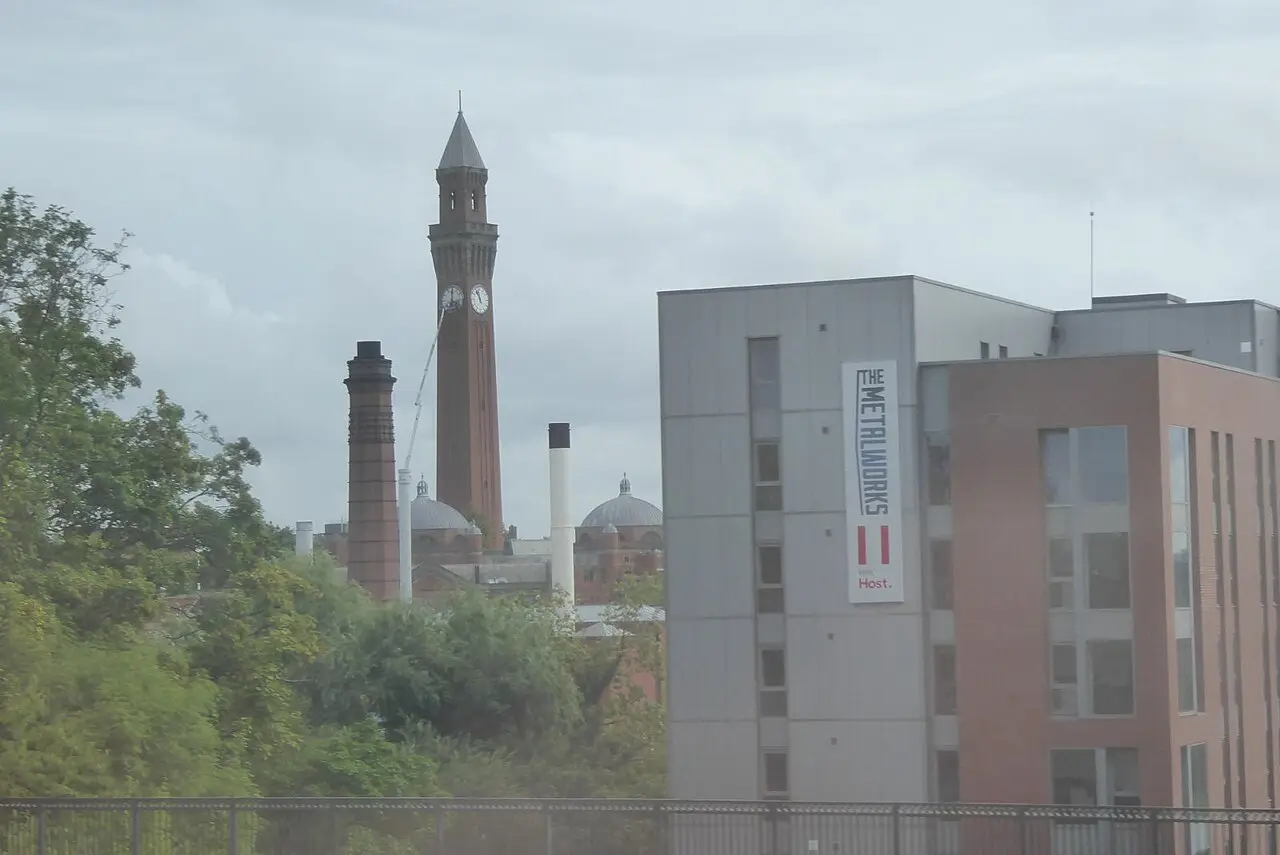
Fragments of what may be one of the oldest copies of the Koran in the world have been identified in the collections of the University of Birmingham.
Radiocarbon dating has found that the parchment on which the text is written dates from between 568 and 645, placing it close to the lifetime of the Prophet Muhammad, who is generally thought to have lived between 570 and 632.
Hidden for almost a century
The two leaves, written in an early form of Arabic script known as Hijazi, had been bound together with pages from a similar but later manuscript, and had been held in the university's library for almost a hundred years without their true age being recognised.
They were noticed by a PhD researcher, Alba Fedeli, who was studying the manuscript. The university then arranged for the parchment to be tested by the radiocarbon laboratory at the University of Oxford, which found with a high level of confidence that it came from the late sixth or early seventh century.
The Mingana Collection
The fragments are part of the Mingana Collection, a collection of more than 3,000 Middle Eastern documents gathered in the 1920s by Alphonse Mingana, a scholar and former priest born near Mosul in what is now Iraq. His trips to the Middle East to collect manuscripts were paid for by Edward Cadbury, of the Birmingham chocolate family.
The collection is held by the Cadbury Research Library at the University of Birmingham, which also holds the papers of Joseph, Austen and Neville Chamberlain, and of the composer Edward Elgar.
"Could well have known the Prophet"
Scholars say the discovery is of huge importance. The person who wrote the text may have been alive at the time of the Prophet Muhammad, and could even have known him, according to David Thomas, professor of Christianity and Islam at the university.
The text on the leaves corresponds closely to the Koran as it is read today, which experts say supports the view that the text has changed very little since it was first written down.
Joy in the community
The discovery has been greeted with great excitement by Muslims in Birmingham, home to one of the largest Muslim communities in Britain. Community leaders have described it as a source of pride for the city and for Muslims around the world.
On display
The university plans to put the manuscript on public display, so that people can see it for themselves. An exhibition is being planned at the Barber Institute of Fine Arts on the university's Edgbaston campus later this year.
The finding is a reminder of the treasures that can lie hidden in library and museum collections for decades, and of the value of the painstaking research that brings them to light. For the university, it has put the Mingana Collection in the spotlight around the world.
More in Education
All
Latest news
Featured posts
-
Things to do
Top 10 places to visit in Birmingham
-
Food and drink
The 12 most popular food spots in Birmingham
-
Things to do
The best laser tag locations in Birmingham