
North Birmingham in first wave of bus franchising from October 2027
Fares will be set by the combined authority, and operators will face penalties if services fall short.
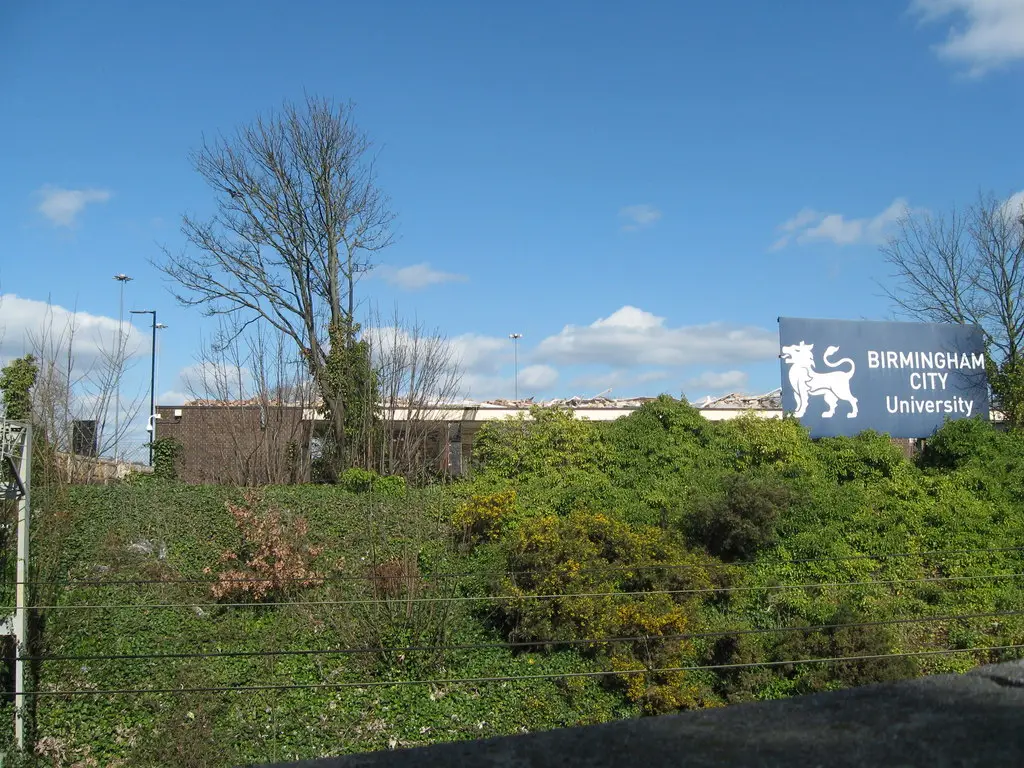
Bus routes in north Birmingham will be among the first to move to a new franchising system that brings buses back under public control, with the first services expected to change hands in October 2027.
Officers from the region's combined authority briefed councillors in Walsall on Thursday 8 October about how the new model will work. North Birmingham, Walsall and Coventry are in the first of three phases.
How franchising works
Under franchising, the combined authority decides the routes, timetables and fares, and bus companies bid for contracts to run the services.
- Operators will be responsible for running the routes and employing drivers.
- They will lease buses and depots from the combined authority for the length of their contract.
- The combined authority will set fares, with the aim of making them consistent across the region.
- Operators that fail to deliver the services they are contracted to run will face penalties.
This is the model introduced in Greater Manchester, where the Bee Network brought buses back under public control in stages between 2023 and 2025.
"Guinea pig" fears
Councillor Adrian Andrew, the Conservative group leader in Walsall, said he was nervous about being in the first wave. "We could be treated as a guinea pig," he said. "We need to be very careful and keep a close eye on this because the rest of the region will learn from the mistakes in Walsall."
He asked how many routes could be at risk, saying members had once been told 20 per cent could be under threat.
Natalie Penrose, speaking for the combined authority, said that "at the moment" no routes were under threat. "We're out to tender at the moment. We haven't taken any routes out and they'll operate at the same level of frequency," she said. "There is no intention to reduce the network."
The buyout
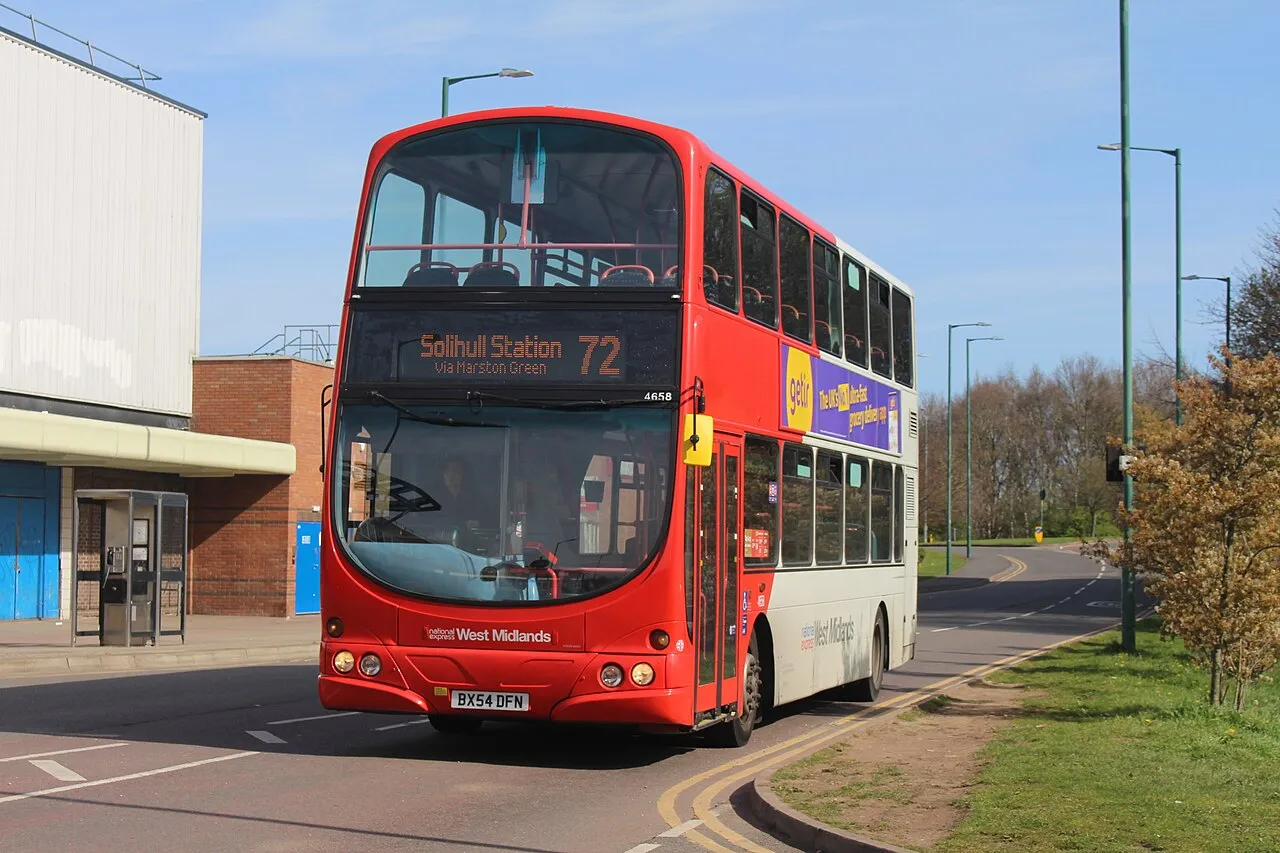
The combined authority agreed in August to buy the region's main bus operations from National Express, which runs the large majority of bus journeys in the area. The deal covers around 4,800 staff, 1,300 buses and nine depots, and is expected to be completed later this autumn.
The publicly owned company will run services in the meantime while the region moves to franchising, and passengers should see little change at first: services, tickets and timetables continue as normal, and Swift cards and passes remain valid.
What it could mean for passengers
Supporters of franchising say it allows a single, simple fare system, better connections between routes and a network planned around passengers rather than the commercial choices of individual companies. Critics warn that it transfers financial risk to the public purse, and that the cost of running services will fall on the combined authority if passenger numbers or fare income disappoint.
More details of the second and third phases, and of which routes they will cover, are expected as the tendering continues.
More in Transport
All
Latest news
Featured posts
-
Things to do
Top 10 places to visit in Birmingham
-
Food and drink
The 12 most popular food spots in Birmingham
-
Things to do
The best laser tag locations in Birmingham