
Four new public artworks unveiled on Digbeth High Street
A River Rea mosaic and a poppy meadow for a Pekingese called Looty are among the works curated by Eastside Projects.
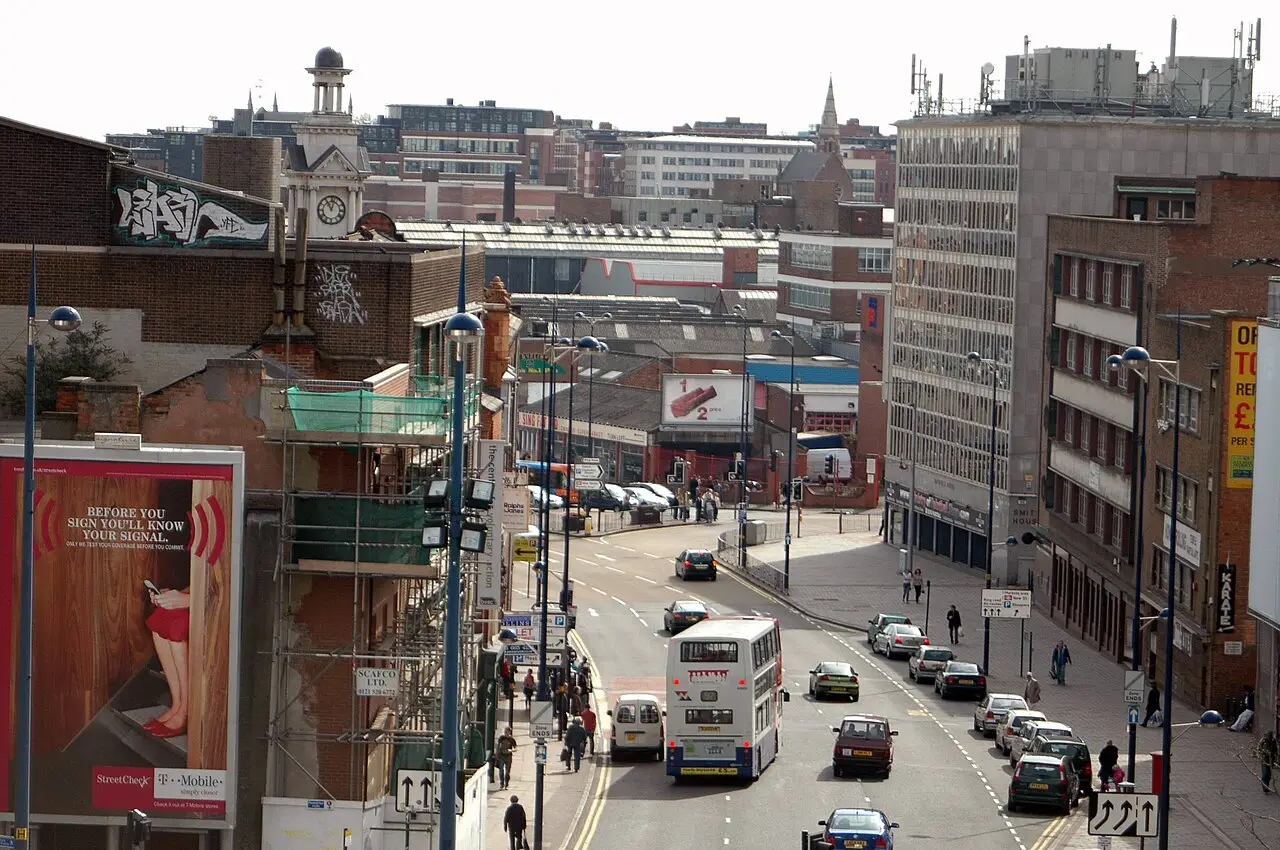
Four new public artworks have been unveiled on Digbeth High Street, reflecting the area's history, communities and natural environment.
The works, launched in mid-June, are part of the wider High Street Public Realm Improvement Scheme, which aims to protect Digbeth's creative, cultural and heritage assets while making way for future regeneration.
The four artworks
- Something in Nothing (2025) by Helen Cammock: three green and orange signs made of glass enamel, whose design nods both to Digbeth's modern regeneration and to late 19th-century railway signs.
- The Digbeth Cylinder (2026) by Joanne Tatham and Tom O'Sullivan: a life-sized ceramic and concrete cylinder that playfully references Digbeth's architectural and civic heritage, accompanied by posters and workshops with South and City College Birmingham and Chandos Primary School.
- Undercurrents (2025) by Sarah Silverwood: a colourful mosaic of creatures and features of the River Rea, which runs directly beneath the street, made with young people from St Basil's Youth Hub in Digbeth.
- Looty's Meadow (2025) by Amy Ching-Yan Lam: a meadow of opium and oriental poppies planted as a memorial to Looty, one of the first Pekingese dogs to arrive in England, taken as a present for Queen Victoria.
Who made it happen
The project was commissioned by Birmingham City Council and the regional combined authority, curated by the Digbeth gallery Eastside Projects, and funded through the Enterprise Zone capital grant. It supports Digbeth's cultural strategy, "Four Actions for Digbeth", which focuses on strengthening identity, supporting creativity and improving the public experience of the area.
"Public art plays a vital role in shaping vibrant, inclusive places, and this project demonstrates our continued commitment to investing in culture as a key part of Birmingham's future," said Councillor Deborah Harries, Cabinet Member for Culture and Heritage.
She said it was fantastic to see artists, young people and local communities coming together "to create work that will inspire residents and visitors alike".
Gavin Wade, artist-curator at Eastside Projects, said the works brought together "the best of local creative talent, national award winning thinkers and makers alongside international perspectives".
A changing neighbourhood
Digbeth, once a heartland of Birmingham's industry, has become the city's creative quarter, known for its street art, music venues, independent businesses and the Custard Factory. It is also changing quickly, with major development planned around the HS2 station at Curzon Street and the Smithfield site next door.
The high street improvements are intended to make sure that change builds on what makes Digbeth distinctive, rather than erasing it.
More in Arts and Culture
All


Latest news
Featured posts
-
Things to do
Top 10 places to visit in Birmingham
-
Food and drink
The 12 most popular food spots in Birmingham
-
Things to do
The best laser tag locations in Birmingham