
Musk plans to more than double Colossus 2 chips
The Memphis AI cluster could pass 1.2 million Nvidia chips by the end of the year.
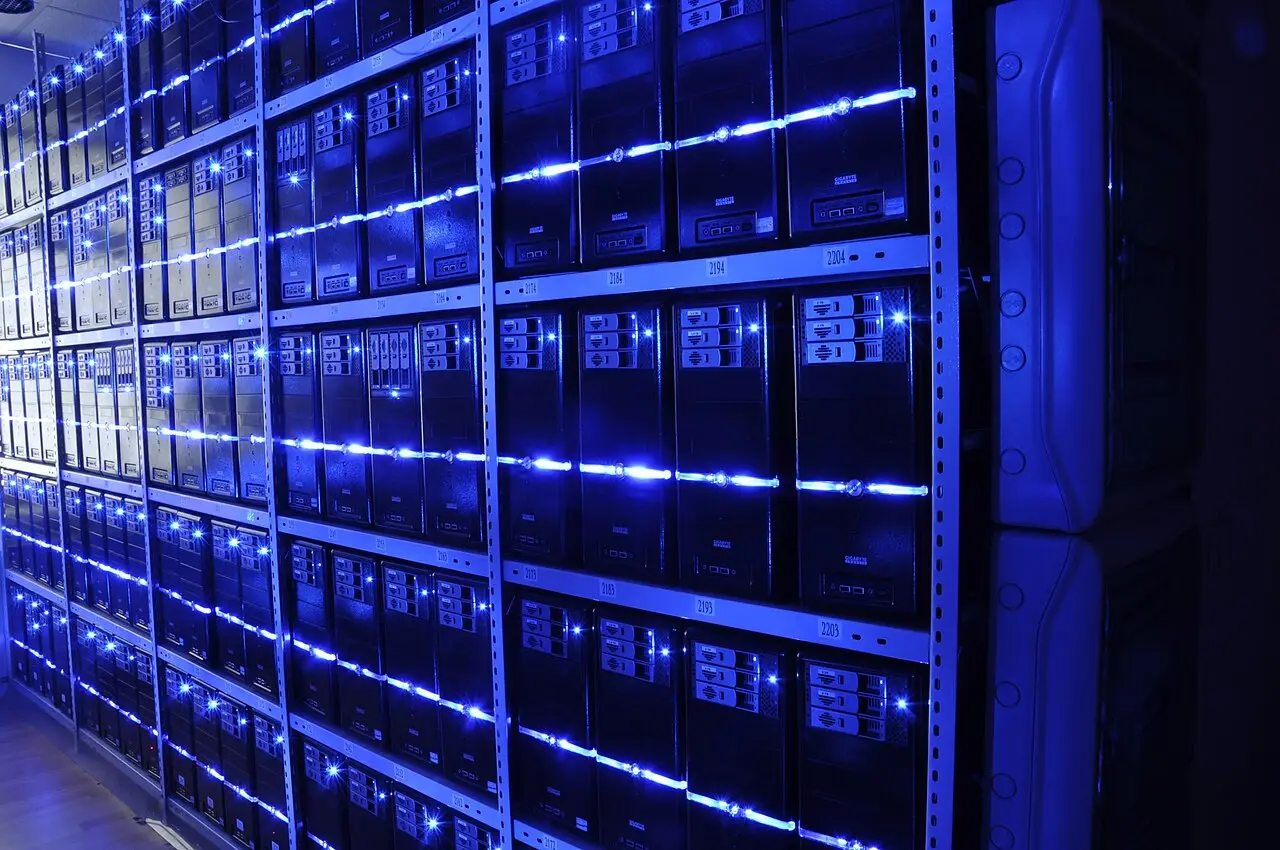
Elon Musk has said that Colossus 2, the artificial intelligence supercomputer built by his company xAI near Memphis in the United States, could more than double its number of Nvidia chips by the end of the year.
It is the most detailed timetable Musk has given for the expansion of the cluster, as technology companies race to build ever larger computers to train AI models.
The numbers
According to Musk, Colossus 2 currently has 110,000 Nvidia GB200 chips and 440,000 of the newer GB300 units. Another 220,000 GB300 chips are expected to come online next week, followed by a further 220,000 in November.
A further 220,000 could be installed by the end of December "if we have luck", Musk said, which would take the cluster to more than 1.2 million Nvidia chips. Together with the original Colossus 1 next door, the Memphis site would then approach 1.44 million AI accelerators, one of the largest concentrations of AI computing power anywhere.
Why so many chips?
Training the most advanced AI models requires enormous amounts of computing power. Companies including xAI, OpenAI, Google, Meta and Anthropic are spending tens of billions of dollars on data centres packed with specialist chips, most of them designed by Nvidia, whose products have become the most sought-after hardware in the industry.
Power and water
Such facilities use vast amounts of electricity and, in many cases, water for cooling. xAI's Memphis site has faced local scrutiny over its energy use and its impact on the surrounding area, a debate that is being repeated wherever large data centres are built.
What it is for
xAI uses the Colossus clusters to train its Grok AI models. Musk has repeatedly said he wants xAI to build the most capable AI systems in the world, and the race for computing power has become one of the main ways the leading companies compete.
More in Technology
All

Latest news
Featured posts
-
Things to do
Top 10 places to visit in Birmingham
-
Food and drink
The 12 most popular food spots in Birmingham
-
Things to do
The best laser tag locations in Birmingham