
Mum donates more than 160 pints of breast milk to sick babies
Emma Wilson began donating after her son was treated at Birmingham Children's Hospital.
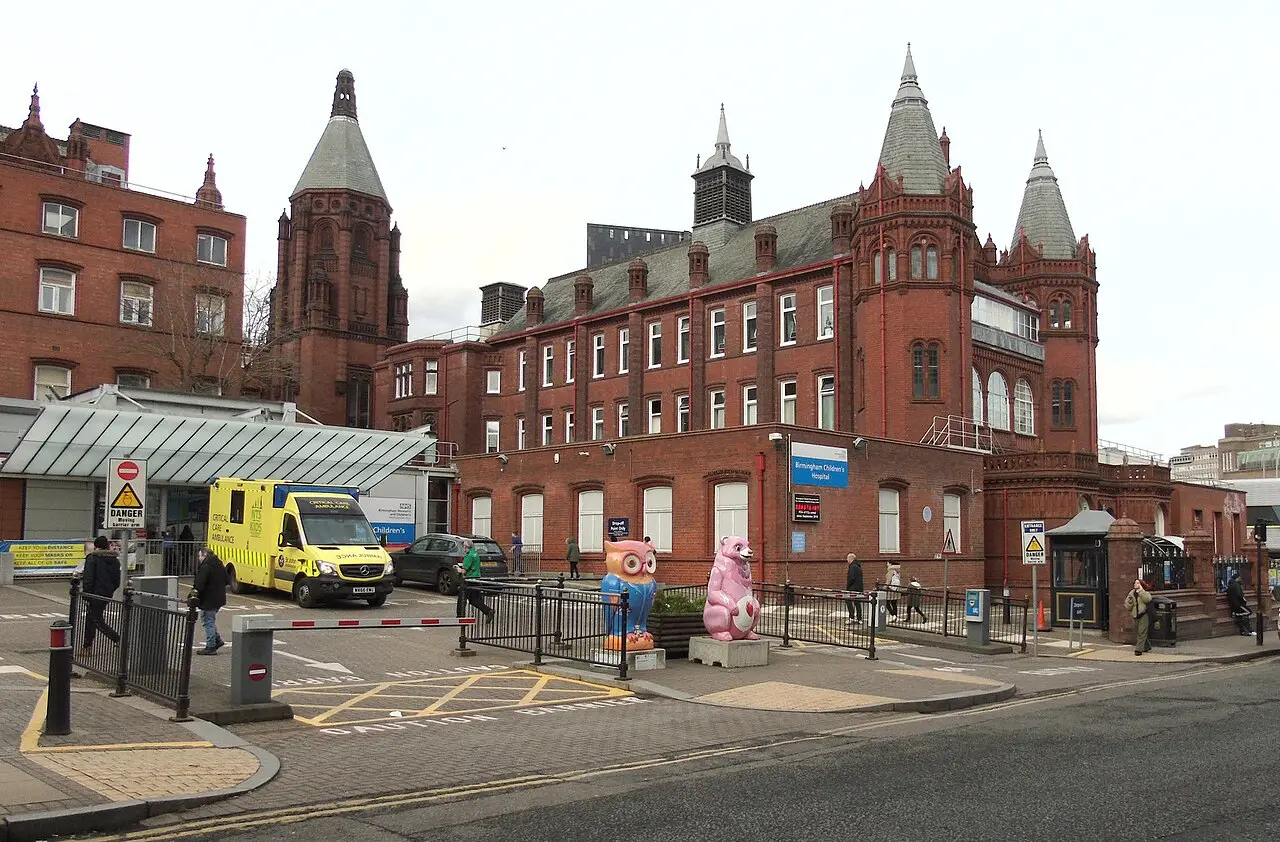
A mother whose baby son needed life-saving treatment at Birmingham Children's Hospital has donated more than 160 pints of breast milk to help other sick and premature babies.
Emma Wilson, 40, from Shropshire, has given more than 90 litres of milk to the Human Milk Bank at Birmingham Women's Hospital, and she hopes to reach 100 litres.
Bertie's treatment
Emma's son, Bertie, was born with oesophageal atresia, a condition in which the tube connecting the mouth to the stomach does not form properly. During his treatment he could not be fed by mouth. He later developed sepsis, a life-threatening reaction to infection, and again had to be kept nil by mouth.
While Bertie was in hospital, Emma continued to express milk with support from the infant feeding team. She said a surgeon had stressed "the huge benefits of breast milk".
Seeing other mothers struggle
On the ward, Emma saw how hard it was for some mothers to produce milk while their babies were seriously ill. "I watched other mothers struggling to express milk during an incredibly difficult time in their lives," she said. That led her to sign up as a donor last December.
The only milk bank in the region
The Human Milk Bank at Birmingham Women's Hospital is the only one in the region. It supplies donated breast milk to neonatal units across the region and in Wales, for babies whose mothers cannot provide enough milk of their own.
Why donor milk matters
For babies born very early or very small, breast milk can be particularly important. It is easier to digest than formula and contains antibodies that help protect against infection. Research has linked it to a lower risk of necrotising enterocolitis, a serious bowel condition that can affect premature babies.
Donor milk is screened and pasteurised to make it safe before it is given to babies.
Who can donate
Milk banks look for healthy mothers who have a good supply of milk and are able to express more than their own baby needs. Donors are usually asked to complete a health questionnaire and have a simple blood test. Milk is normally collected from donors' homes, so they do not need to travel.
Anyone interested can find out more on the Birmingham Women's and Children's NHS Foundation Trust website.
Support for breastfeeding
Breastfeeding can be difficult, especially when a baby is unwell or in hospital. Infant feeding teams in hospitals, health visitors and charities such as the National Breastfeeding Helpline, on 0300 100 0212, offer free support. Parents who choose not to breastfeed or cannot do so can also get help and advice on safe formula feeding.
A world-class neonatal service
Birmingham Women's Hospital has one of the busiest neonatal units in the country, caring for hundreds of premature and sick babies each year. Earlier this month the trust celebrated a baby born weighing just 490 grams who thrived after 11 weeks in neonatal intensive care.
How the milk is used
Once milk arrives at the bank, it is tested, pooled and heat-treated before being frozen and sent out to hospitals. Neonatal teams decide which babies should receive it, usually those born very early or with medical conditions that make them particularly vulnerable. Every donation, however small, can help, and many donors say knowing their milk has helped another family is very rewarding.
More in Health
All


Latest news
Featured posts
-
Things to do
Top 10 places to visit in Birmingham
-
Food and drink
The 12 most popular food spots in Birmingham
-
Things to do
The best laser tag locations in Birmingham