
The last original Mini is built at Longbridge
Production ends after 41 years, with BMW building a new model at Cowley next year.
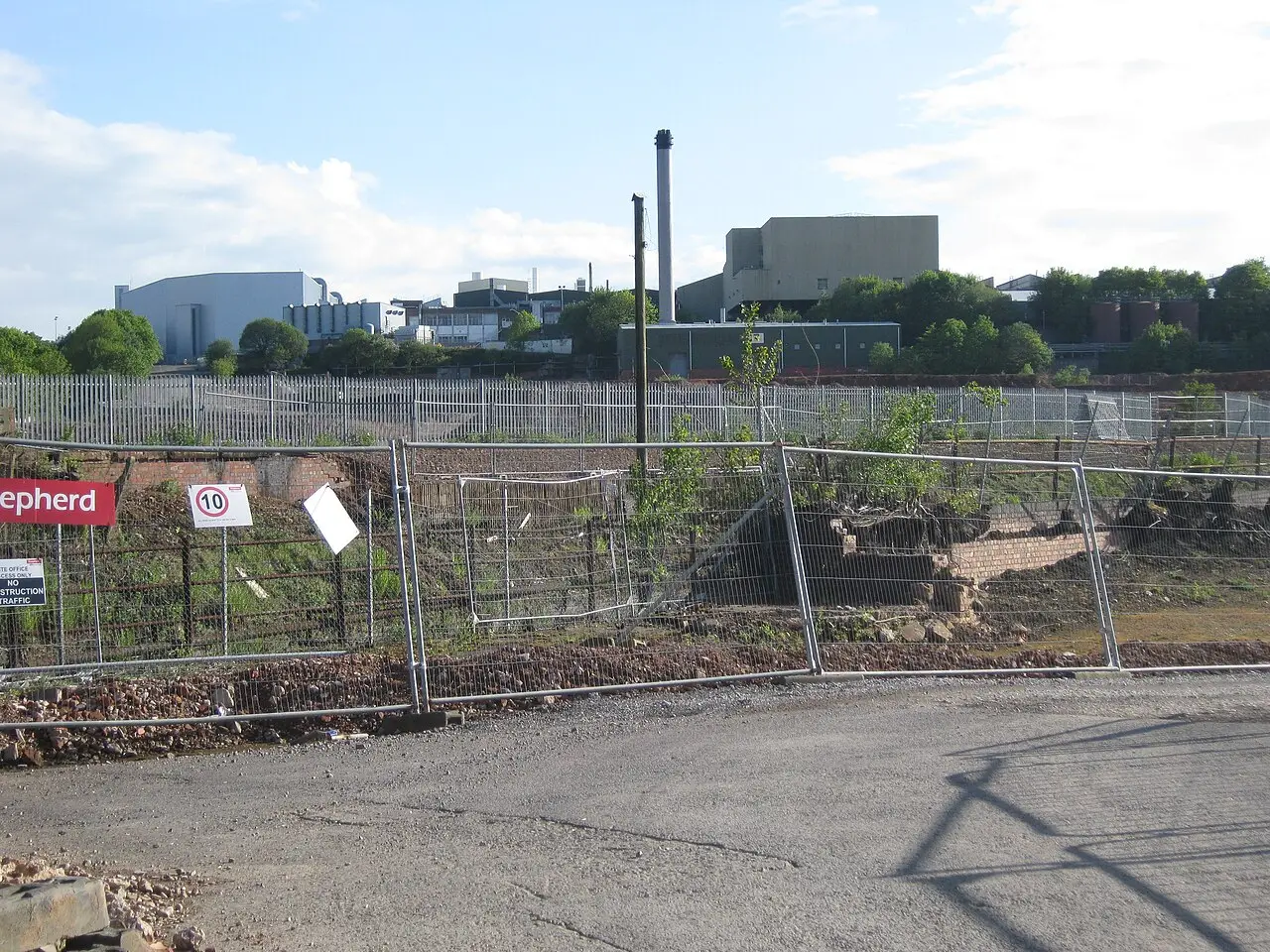
Production of the original Mini has ended at Longbridge after 41 years, bringing to a close one of the most famous chapters in the history of the British car industry.
The last Mini was built at the MG Rover plant in Birmingham on 4 October.
A new Mini, built elsewhere
The Mini brand now belongs to the German car maker BMW, which kept it when it sold Rover's volume car business to the Phoenix Consortium earlier this year.
A new model will go into production next spring at the Cowley plant in Oxford, owned by BMW. Under the terms of the sale, MG Rover was allowed to keep building the original Mini at Longbridge until the new car was launched.
A British icon
The original Mini, launched in 1959, became one of the defining cars of the 20th century, and a symbol of 1960s Britain. Longbridge has been its main home for most of its life.
The Mini's end at Longbridge comes as the plant adjusts to life under new owners. As part of the Phoenix deal, production of the Rover 75 has moved to Longbridge from Cowley, and the factory continues to build the Rover 25 and Rover 45.
Longbridge's long story
Longbridge has been building cars since 1906, when Herbert Austin turned a derelict printing works in the south of the city into the home of the Austin Motor Company. The first Austin, a touring car priced at £650, was completed at the end of March that year, and about a dozen cars were made in the first year by a workforce of around 50.
By the late 1960s the plant employed around 25,000 people. It went on to become part of British Leyland and later the Rover Group, before BMW bought Rover from British Aerospace in 1994.
What it means for Birmingham
For many families in south Birmingham, the Mini is more than a car: it is part of the working history of the city, built by generations of people at "the Austin".
MG Rover now faces the task of building a future for the plant without its most famous model, with a range of ageing designs and a much smaller business than the one BMW took over.
The end of production closes a 41-year chapter that began when the car was launched in 1959.
During the Second World War, the plant produced munitions and tank parts, while the nearby East Works at Cofton Hackett built aircraft.
Herbert Austin, the plant's founder, was raised in Yorkshire and learned his trade in Australia before returning to England in 1893.
More in Business
All

Latest news
Featured posts
-
Things to do
Top 10 places to visit in Birmingham
-
Food and drink
The 12 most popular food spots in Birmingham
-
Things to do
The best laser tag locations in Birmingham