
Inflation rises to 3.3 per cent on fuel costs
Higher petrol and diesel prices follow disruption to Gulf oil supplies.
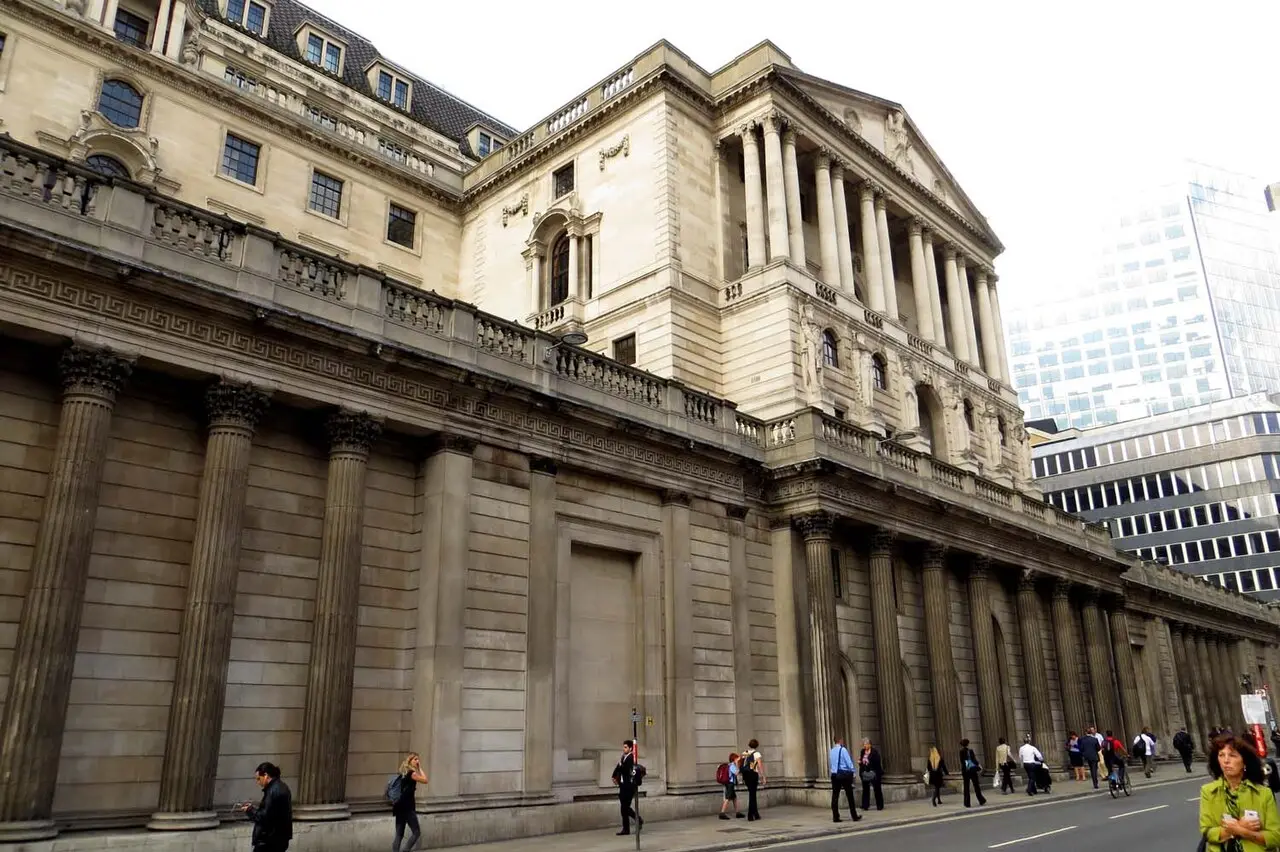
Inflation in the UK rose to 3.3 per cent in March, as the war with Iran pushed up the price of fuel.
The Office for National Statistics published the figures on 22 April. Inflation had been 3 per cent in both January and February.
Fuel prices
The main reason for the rise was an increase in the cost of petrol and diesel. The war, which began at the end of February, has disrupted oil supplies from the Gulf and sent global oil prices sharply higher.
Iran has restricted shipping through the Strait of Hormuz, one of the world's most important routes for oil and gas. A ceasefire between the United States and Iran was agreed earlier this month, but uncertainty remains.
What is inflation?
Inflation measures how quickly the prices of goods and services are rising. The Bank of England has a target of 2 per cent, and uses interest rates to try to keep inflation close to that level.
Inflation has fallen a long way from the peak of more than 11 per cent reached in October 2022, but has remained above target.
Interest rates
The Bank of England held interest rates at 3.75 per cent in March, but warned that the war would push inflation up in the near term. Its next decision is due at the end of April.
Mortgage rates have already risen, as lenders expect interest rates to stay higher for longer.
Better news on jobs and growth
Recent figures have been more encouraging. The economy grew by 0.5 per cent in February, more than expected, and unemployment unexpectedly fell to 4.9 per cent in the three months to February.
Household budgets
April is traditionally a month of rising bills, with increases in council tax, water charges and some other costs. The national minimum wage rose by 50p to £12.71 an hour for workers aged 21 and over at the start of the month, and the state pension and many benefits also increased.
But higher fuel costs will squeeze household budgets, particularly for people who depend on their cars for work, including in rural areas.
The outlook
Economists say the path of inflation will depend largely on what happens in the Gulf. If oil supplies return to normal, prices could ease. If the conflict flares up again, inflation could rise further.
The OECD has forecast that the UK economy will grow by 0.7 per cent this year, but warned that the war would weigh on growth.
More in Economy
All

Latest news
Featured posts
-
Things to do
Top 10 places to visit in Birmingham
-
Food and drink
The 12 most popular food spots in Birmingham
-
Things to do
The best laser tag locations in Birmingham