
French prize launched for novels written with the help of AI
The Prix Pascal will publish the best French-language manuscript co-written with ChatGPT, Claude or other AI tools, after a year of rows over AI and literary awards.
A new literary prize has been launched for books written with the help of artificial intelligence, after months of controversy over the use of AI by the winners and finalists of some of the world's best-known writing awards.
The Prix Pascal de Littérature IA is inviting manuscripts co-written with AI tools, and the winner will be published.
How it works
Entrants must submit an unpublished manuscript of between 10,000 and 50,000 words, together with details of which AI model they used and the prompts they gave it. All the major language models are allowed, including ChatGPT, Claude, Gemini and LLaMA. Writers can live anywhere, but entries must be in French.
The rules ask for a work of fiction, but also say that submitted texts should help solve an ethical, social or ecological problem threatening humanity.
Entries opened on Tuesday and close at the end of November. A shortlist of ten will be drawn up before the winner is announced in early December. The jury, of five or six writers, critics, journalists, philosophers and publishers, will be named in early November.
Named after Blaise Pascal
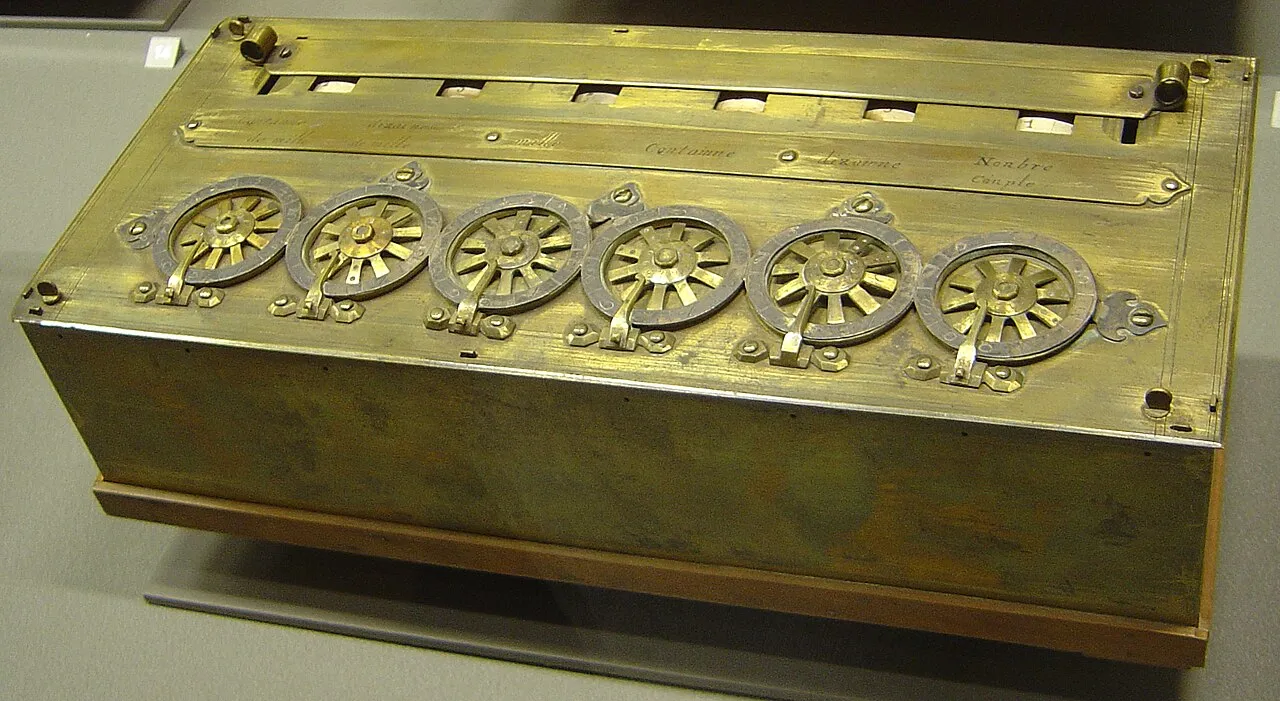
The prize takes its name from Blaise Pascal, the 17th-century French mathematician, scientist and philosopher who helped invent one of the first mechanical calculators, the Pascaline, and who also wrote religious works including the Pensées, a collection of reflections that Pope Francis praised for its "philosophical depth and literary charm".
It was founded by three technology entrepreneurs. Philippe Rodriguez is a founding partner of the mergers and acquisitions firm Avolta and a well-known figure in the European cryptocurrency industry. Albin Serviant is a digital media entrepreneur and former chair of the LGBTQ+ magazine Têtu. Gilles Mentré is a former civil servant with a doctorate in philosophy who teaches at Harvard and the University of Paris 1 Panthéon-Sorbonne, and co-founded the online voting platform Electis.
A year of rows
The launch comes after a year in which questions about AI have hung over several major literary prizes, including the Commonwealth short story prize, the Caine prize for African writing and the Prix Goncourt, France's most prestigious literary award. Earlier this month the winner of the Caine prize denied using AI to write his story.
Many writers and publishers argue that AI tools, which are trained on huge amounts of existing writing, often without the authors' permission, threaten both the livelihoods of authors and the idea of original creative work. That debate has made the use of AI one of the most sensitive questions facing judges and publishers.
The new prize takes the opposite approach to the controversies elsewhere. Rather than treating AI as something to be detected and ruled out, it makes the use of AI a condition of entry, and asks writers to show exactly how they used it by declaring their prompts and the models involved.
Whether the publishing world takes the prize seriously is likely to depend on the quality of the winning book, and on who agrees to sit on the jury when it is announced next month.
More in Awards and Honours
All


Latest news
Featured posts
-
Things to do
Top 10 places to visit in Birmingham
-
Food and drink
The 12 most popular food spots in Birmingham
-
Things to do
The best laser tag locations in Birmingham