
Exempt housing linked to more than a third of homicides, police say
56 of 151 murders in two years were connected to exempt accommodation or shared houses, as a BBC Panorama investigation airs tonight.
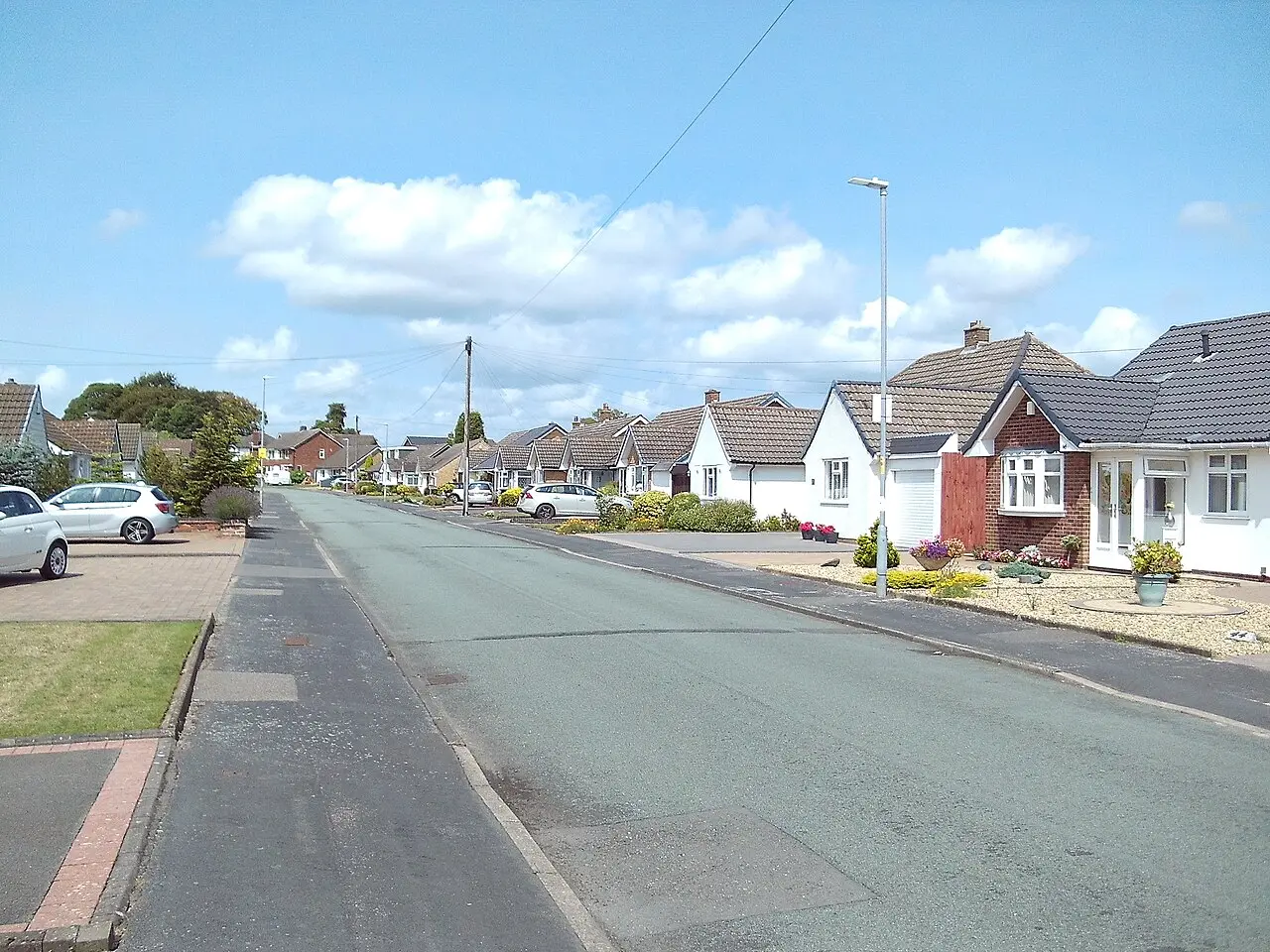
More than a third of murders recorded by police in the region over the past two years were connected to supported exempt accommodation or houses in multiple occupation, a senior officer has revealed.
Superintendent Haroon Chugtai, who is based in Birmingham, said 56 of 151 murders, about 35%, took place in such properties or involved a victim or offender who lived in one. Most happened in Birmingham.
"That is just one area of crime that we have looked at," he said. "There is a lot of other offending that takes place in these properties." The force is working with the council to gather better data on the impact on communities.
34,000 rooms
Birmingham is the national hotspot for exempt accommodation, a form of shared supported housing paid for through enhanced housing benefit from the Department for Work and Pensions. More than 13,000 properties in the city now provide more than 34,000 rooms, most occupied by people with no previous connection to Birmingham. The number of people housed has tripled since the government first promised a crackdown in 2018.
Claims of more than £400 a week are paid for each resident. In one case, Birmingham Live found the government paying £6,400 a month for four people in a terraced house on Markby Street in Winson Green that would normally rent for about £1,200.
Residents' anger
The resident-led HMO Action Group said: "For too long Birmingham has allowed unscrupulous housing providers to exploit some of the most vulnerable in our society, so that they can harvest vast sums of public money, while destroying our local neighbourhoods."
A resident in Erdington said: "We feel helpless, powerless. My street has become really sordid with drug dealers and sex workers."
The council's defence
Council officers say Birmingham is an outlier partly because it "played by the rules". Stephen Philpott, the council's director for housing support, said other councils had "stretched the law" in how they controlled entry into the sector. Carol Culley, the finance chief, said 43% of claims for enhanced housing benefit were rejected, and that the council could not stop paying providers that fail regulatory standards. "I do feel we are working with one hand behind our back," she said.
New law still years away
New regulations promised under the Supported Housing (Regulatory Oversight) Act 2023, still out for consultation, may be introduced next year, but the council says they will not bring practical change until 2028. Officers say the proposals have already been weakened and do not currently include a planning requirement, licensing of every property or clear minimum standards of support.
Jonathan Walters, chief executive of the Regulator of Social Housing, said most exempt accommodation falls outside the social housing sector, which limits the regulator's powers, but that it takes strong action against rogue social landlords where it can.
A BBC Panorama investigation into the situation in Birmingham is due to be broadcast tonight. Birmingham Live has relaunched its campaign calling for urgent government action.
More in Housing and Property
All


Latest news
Featured posts
-
Things to do
Top 10 places to visit in Birmingham
-
Food and drink
The 12 most popular food spots in Birmingham
-
Things to do
The best laser tag locations in Birmingham