
Eastern European Community in Birmingham
Eastern European communities have grown rapidly in Birmingham since the mid-2000s, and their hard work has become part of the backbone of the city's economy.
Where they come from
Eastern Europeans in Birmingham come from Romania, Poland, Lithuania, Latvia, Slovakia, the Czech Republic, Hungary, Bulgaria, Ukraine and beyond. Many arrived after their countries joined the European Union in 2004 and 2007, and more recently Ukrainians have come through the Homes for Ukraine scheme.
The community in numbers
At the 2021 Census, out of a city population of 1,144,919, 30,592 people living in the city had been born in the countries that joined the European Union between 2004 and 2007, most of them in central and eastern Europe; and 2,445 Birmingham residents described their ethnic group as Other Eastern European.
Working for Birmingham
Eastern European workers are vital to Birmingham's construction, logistics, manufacturing, food production, hospitality and care sectors, and many run their own building, cleaning and transport businesses. Eastern European doctors, nurses, engineers and IT specialists work across the city.
Birmingham is one of the youngest and most diverse cities in Europe, and its progress has always depended on people who chose to make it home. Its hospitals, schools and universities, its building sites, workshops, warehouses and kitchens all rely on skills brought from around the world. The Eastern European community adds its own share to that effort, and takes pride in giving back to the city that welcomed it.
Culture and community life
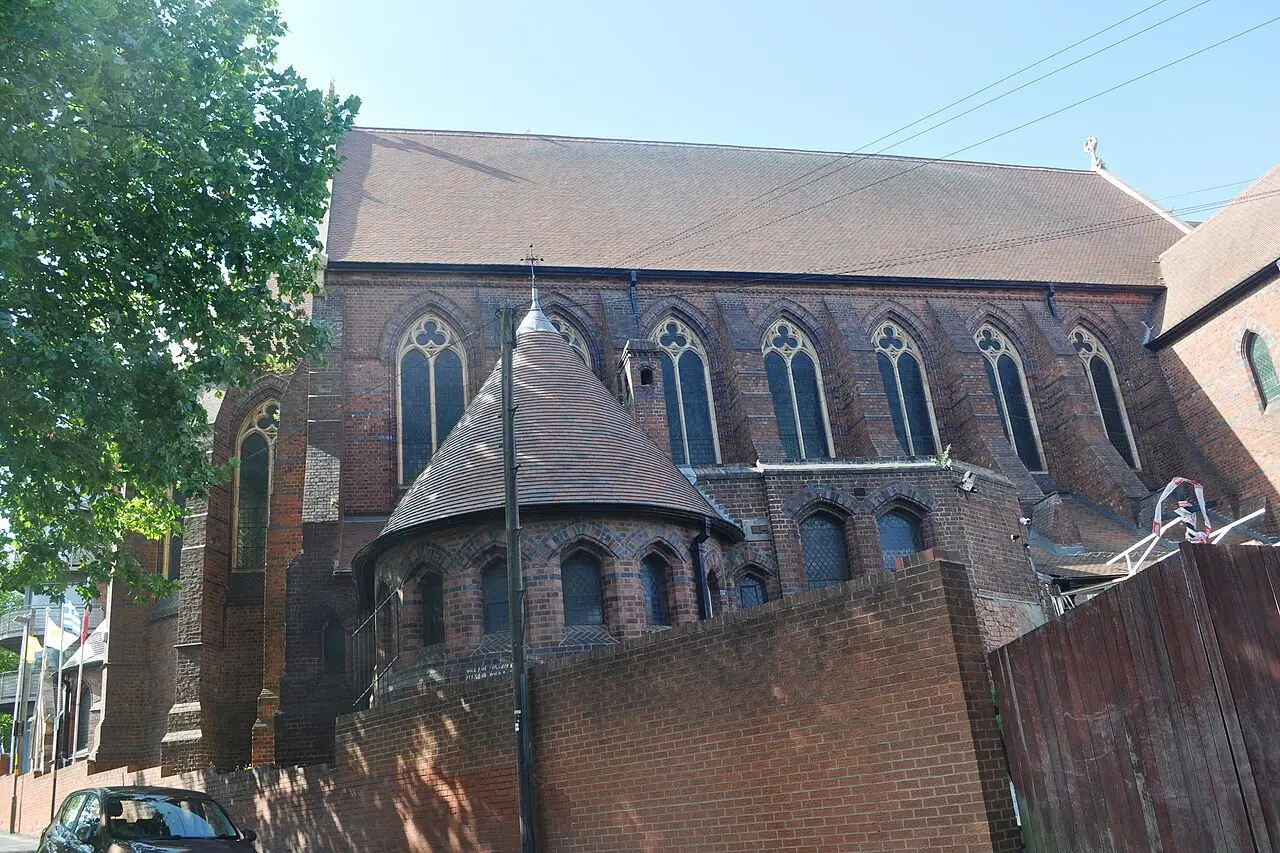
Orthodox and Catholic churches are at the heart of many Eastern European communities, and Christmas and Easter are the most important family festivals. Eastern European shops sell bread, pickles and sausages from home, and Saturday schools help children keep their languages.
Like so many of the communities that make up modern Birmingham, the Eastern European community shows how a city can be home to many cultures at once. Its members are proud of where they come from, and just as proud to be Brummies.
More in Community
All

Latest news
Featured posts
-
Things to do
Top 10 places to visit in Birmingham
-
Food and drink
The 12 most popular food spots in Birmingham
-
Things to do
The best laser tag locations in Birmingham