
Council declares major incident as bin strike leaves 17,000 tonnes of rubbish
The all-out strike by Unite members began on 11 March over the removal of the WRCO role.
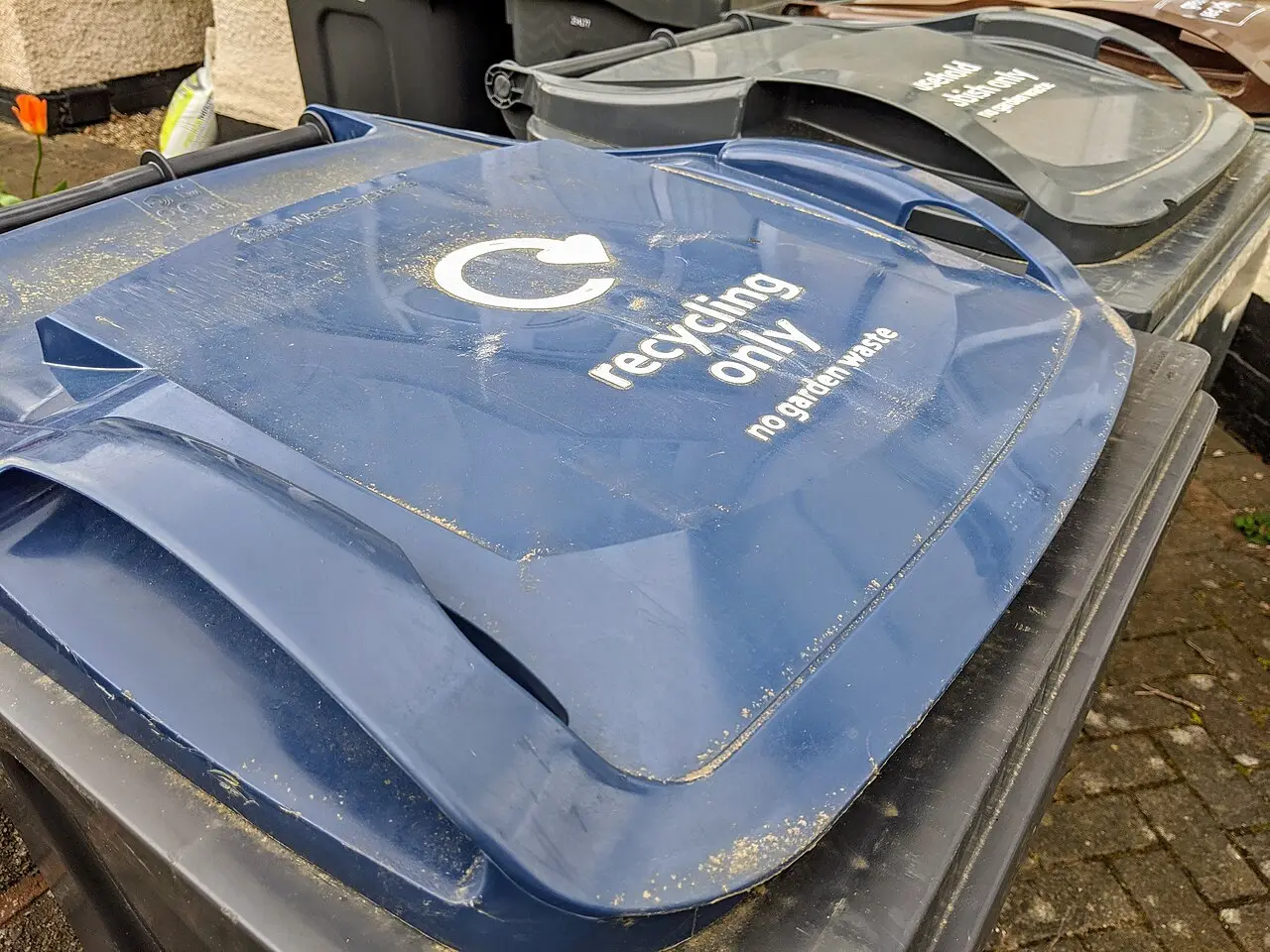
Birmingham City Council has declared a major incident as the all-out strike by bin workers leaves an estimated 17,000 tonnes of rubbish uncollected on the city's streets.
The council said the "regrettable" decision, announced on 31 March, was taken because of public health concerns, with picket lines blocking depots and preventing bin lorries from leaving.
How the dispute began
Members of the Unite union began an all-out strike on 11 March, in a long-running dispute over the council's plan to remove the role of Waste Recycling and Collection Officer, known as WRCO, and over what the union says amounts to pay cuts.
According to Unite, between 150 and 170 of its members face pay cuts of up to £8,000 a year, with hundreds more losing out on pay progression. The union also argues the WRCO role is important for health and safety.
The council disputes those figures. It says only 17 workers would be affected, that the impact on pay would be far smaller, and that everyone affected has been offered an alternative role on equivalent pay, training to become a large goods vehicle driver, or voluntary redundancy. It argues the WRCO role does not exist at other councils and that keeping it would expose the authority to equal pay claims, because it is done mainly by men.
Equal pay and a council in crisis
The dispute is closely tied to the council's finances. The authority issued a Section 114 notice in September 2023, effectively declaring itself bankrupt, largely because of a huge bill to settle equal pay claims, and has been operating under government-appointed commissioners.
What a major incident means
Declaring a major incident allows the council to bring in extra help. It has called on other local authorities to assist with clearing the backlog of rubbish, which it says has become a risk to public health.
Unequal impact
Reports suggest some parts of the city are being hit harder than others. Inner-city areas such as Sparkhill, Balsall Heath, Small Heath, Sparkbrook and Ladywood have seen rubbish pile up more than more affluent suburbs like Harborne and Edgbaston, a pattern also seen during the city's previous bin strike in 2017.
Researchers have pointed to factors including population density, access to transport and distance from waste disposal sites. Some residents of poorer areas have also complained that their streets are being used for fly-tipping by people from elsewhere.
There is no sign yet of an agreement between the council and the union, and the strike looks set to continue into April.
More in Council and Politics
All


Latest news
Featured posts
-
Things to do
Top 10 places to visit in Birmingham
-
Food and drink
The 12 most popular food spots in Birmingham
-
Things to do
The best laser tag locations in Birmingham