
Construction shrinks at its slowest pace since January
The industry is still contracting, with housebuilding weakest, but the downturn is easing.
The UK construction industry shrank at its slowest pace since January last month, according to a closely watched survey, though it remains firmly in decline.
The S&P Global UK construction purchasing managers' index rose to 46.1 in September, from 44.3 in August. Any reading above 50 means activity is growing, and anything below means it is shrinking. The figure was much stronger than the 44.9 economists had expected, and the best for eight months.
How each part fared
- Commercial building was the strongest performer, at 48.5, its smallest fall since May 2025.
- Housebuilding was again the weakest, at 40.7, held back by rising borrowing costs and poor market conditions.
- Civil engineering, which covers roads, railways and utilities, also improved.
"All three construction sub-sectors have seen a degree of stabilisation relative to the rapid declines reported in the second quarter of 2026," said Tim Moore, economics director at S&P Global Market Intelligence.
Orders and jobs
Mr Moore said new orders were "relatively subdued", as clients delayed decisions on major projects because of weak demand and geopolitical tensions. Total new work fell at its fastest rate for three months.
Around a quarter of firms reported higher purchasing costs, citing fuel surcharges, freight costs and raw material prices. Input price inflation eased for a fourth month, but Mr Moore said that trend "seems unlikely to endure given recently escalating fuel prices and transportation costs".
Employment fell again, as it has every month since January 2025, and business optimism dropped to its lowest since May.
A shift towards infrastructure
Carly Thorpe, a construction partner at the law firm Walker Morris, said a drier than average September had helped keep work going on site, and that the figures reinforced "the ongoing shift in market activity away from residential development and towards infrastructure-led sectors, including transport, energy and data centres".
Max Jones, director of infrastructure and construction at Lloyds, said firms would be looking to the Budget on 28 October for "consistency on long-term infrastructure commitments".
The housing problem
The weakness in housebuilding is a problem for the Government's target of 1.5 million new homes in England during this Parliament. Scott Cabot, head of residential research at Bidwells, said the revival of Help to Buy would help by widening the pool of buyers, but that viability is now the bigger barrier, with "higher debt costs, construction inflation and new building safety rules all weighing on schemes".
What it means for Birmingham
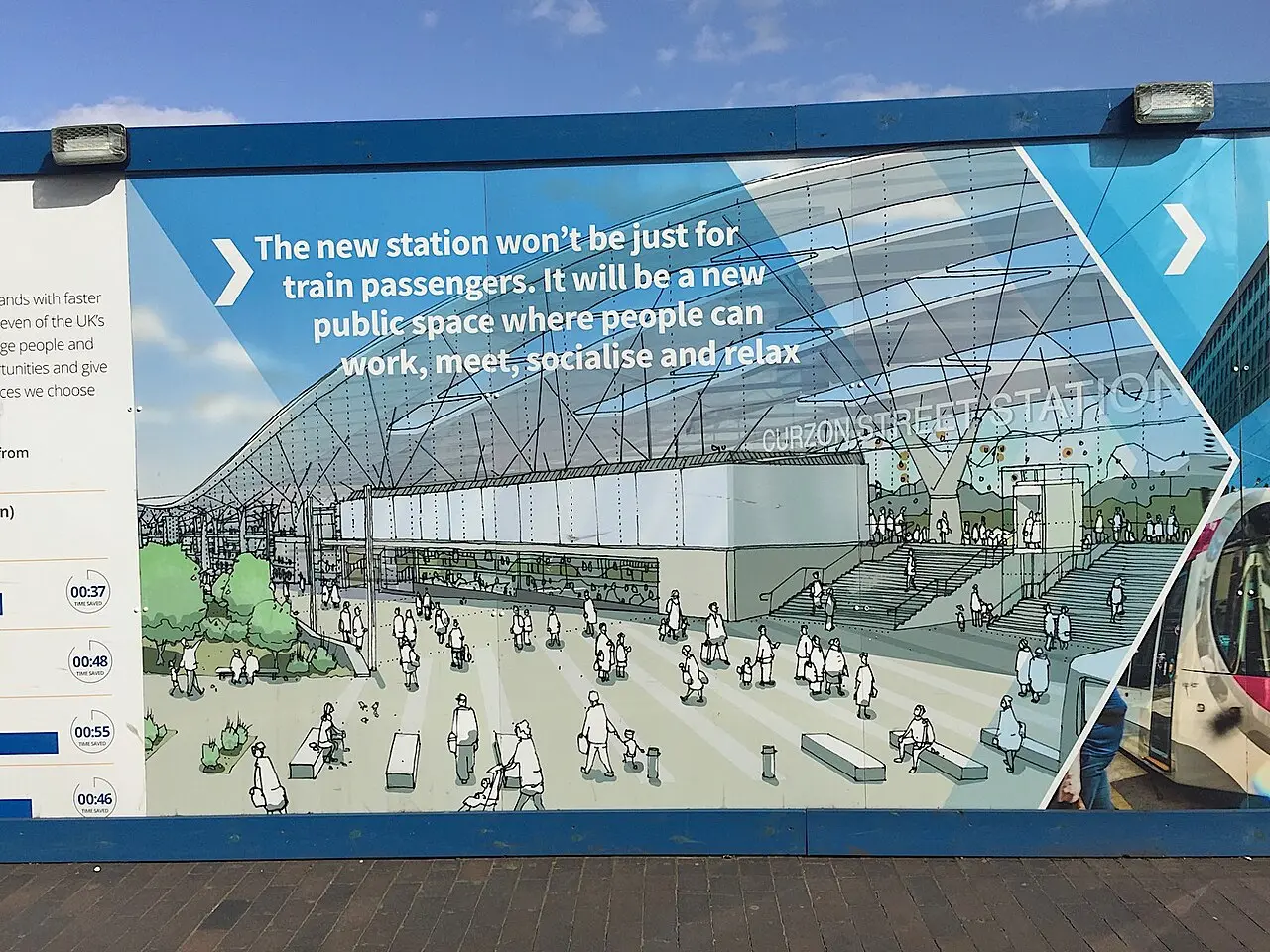
Birmingham has some of the largest construction projects in the country, from the HS2 station at Curzon Street to new neighbourhoods in Perry Barr and Druids Heath and the proposed Sports Quarter in Bordesley Green. Large public infrastructure projects tend to be less sensitive to interest rates than private housebuilding, which is one reason civil engineering has held up better. But high costs and weak demand for new homes affect the pace at which housing schemes across the city move from planning permission to construction.
More in Economy
All


Latest news
Featured posts
-
Things to do
Top 10 places to visit in Birmingham
-
Food and drink
The 12 most popular food spots in Birmingham
-
Things to do
The best laser tag locations in Birmingham