
China's far-side Moon samples help explain the Moon's two faces
Rocks from Chang'e-6 suggest heat from Earth's tides drove molten rock across the young Moon, thickening the far side's crust.
Scientists may have solved one of the oldest puzzles about the Moon: why the side that always faces Earth looks so different from the far side.
The near side is covered in vast dark plains of volcanic basalt and is rich in a group of elements known as KREEP: potassium, rare earth elements and phosphorus. The far side is dominated by ancient, heavily cratered highlands, with a much thicker crust and few volcanic plains.
A long debate
Explanations over the decades have included uneven circulation in the young Moon's ocean of molten rock, a giant impact, heating by tides and uneven growth of the crust. None has won general agreement. It was also unclear whether the difference went deep into the Moon's mantle or was limited to the crust.
A chance to test the ideas came in 2024, when China's Chang'e-6 mission brought back the first samples ever collected from the far side.
Same mantle, different crust
Researchers compared Chang'e-6 rocks with near-side material collected by the Apollo missions and China's Chang'e-5. The results, published in National Science Review, suggest the mantle beneath both sides is broadly similar: basalts and other rocks from both hemispheres point to the same kind of source material.
The crust is a different story. Far-side anorthosite, a light-coloured rock that makes up much of the lunar highlands, is richer in magnesium than Apollo samples, and far-side rocks of another type contain extremely low levels of rare earth elements.
A tidal heat engine
The team proposes that the Moon's magma ocean first cooled evenly. Then, once the Moon became tidally locked, with one side always facing Earth, things changed. Earth and Moon were much closer then, and tidal forces generated more heat on the near side.
That created a temperature difference across the molten interior, setting off large-scale circulation. Hot magma flowed from the near side towards the far side, carrying magnesium-rich crustal material with it and building up a thicker crust there. Meanwhile, the last molten material, rich in KREEP, gathered on the near side.
The model would explain how the Moon could have a similar mantle on both sides but such different crusts.
Why it matters
Understanding the Moon's early history also tells scientists about the early Earth, because the two formed together, most likely after a Mars-sized body collided with the young Earth about 4.5 billion years ago.
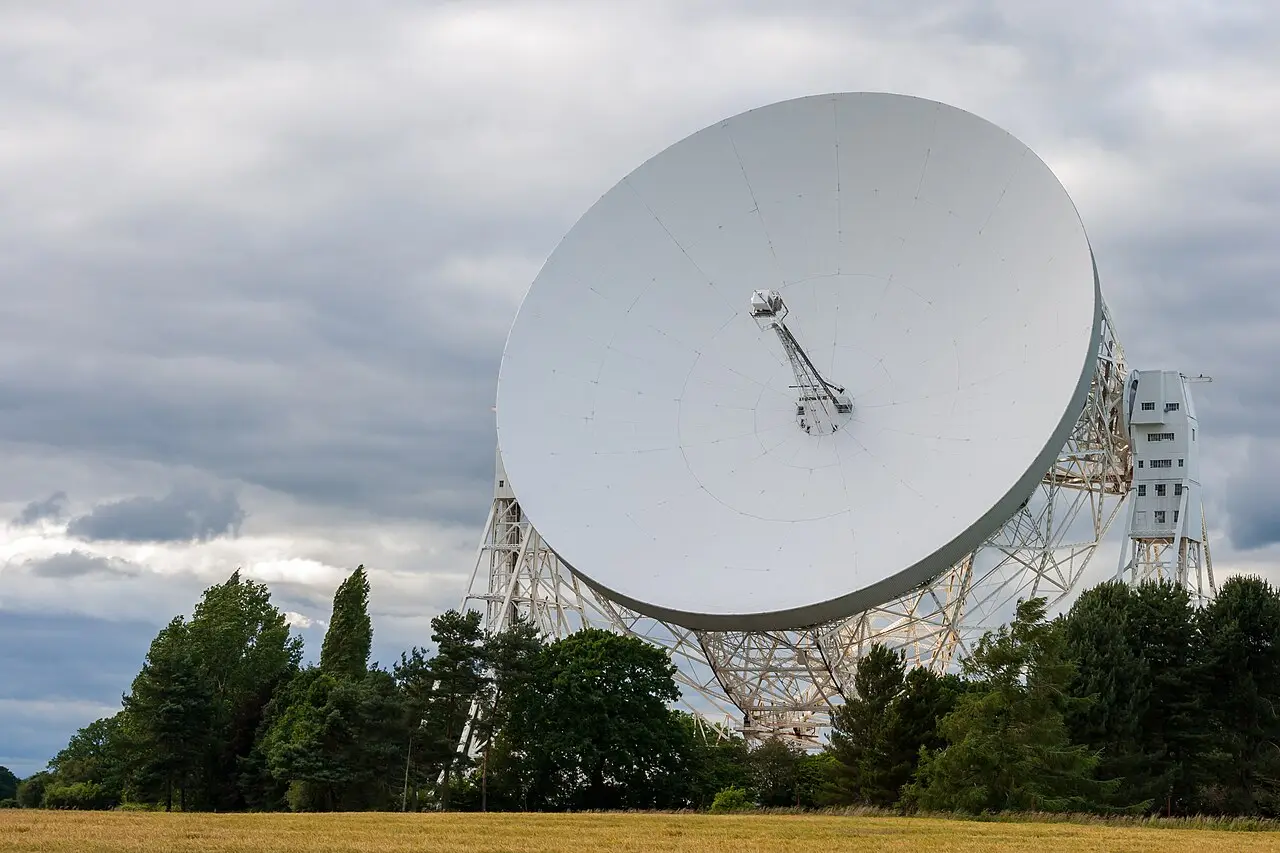
The far side is also of growing interest for future missions, both for science and because it is shielded from radio noise from Earth, making it an ideal place for radio telescopes. China is planning further missions, and NASA's Artemis programme aims to return astronauts to the lunar surface.
The Moon is tidally locked because Earth's gravity long ago slowed its spin until it matched its orbit, which is why we only ever see one face from Earth.
More in Science
All

Latest news
Featured posts
-
Things to do
Top 10 places to visit in Birmingham
-
Food and drink
The 12 most popular food spots in Birmingham
-
Things to do
The best laser tag locations in Birmingham