
Cameron and Clegg form coalition
Britain has its first coalition government since the Second World War.
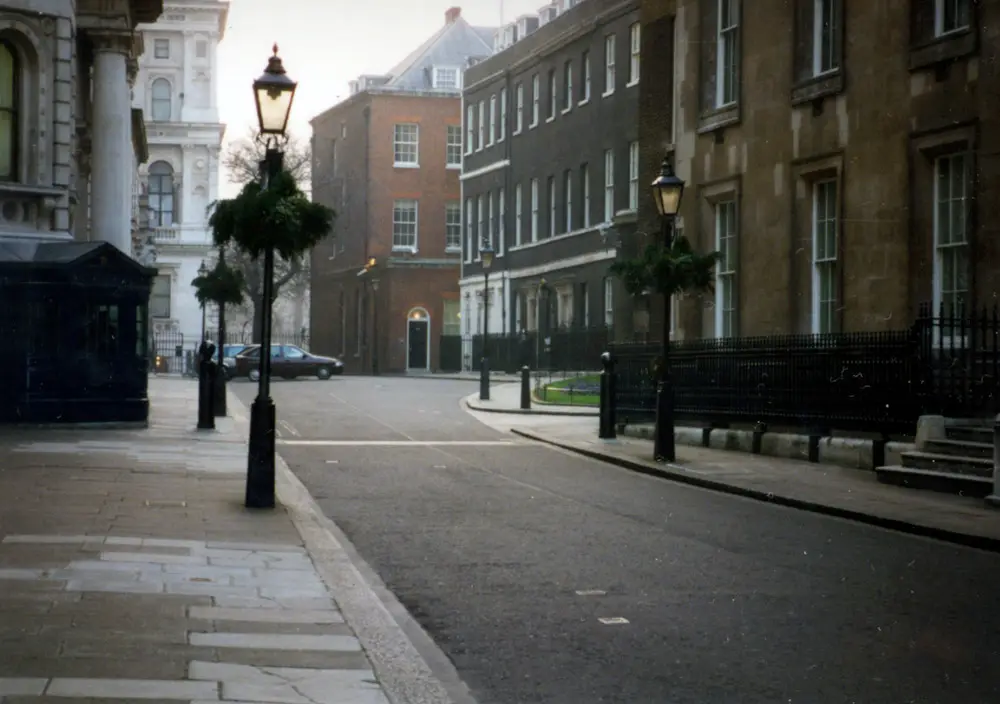
David Cameron has become Prime Minister at the head of the first coalition government in Britain since the Second World War, after the Conservatives agreed a deal with the Liberal Democrats.
Cameron arrived at Downing Street on the evening of 11 May, after Gordon Brown resigned. The Liberal Democrat leader, Nick Clegg, will be Deputy Prime Minister.
A hung parliament
The general election on 6 May produced a hung parliament, with no party winning an overall majority. The Conservatives won 306 seats, short of the 326 needed for a majority. Labour won 258 and the Liberal Democrats 57.
Five days of negotiations followed, as the Liberal Democrats held talks with both the Conservatives and Labour.
The deal
Under the coalition agreement, five Liberal Democrats will join the cabinet. The two parties have agreed to prioritise cutting the budget deficit, and to raise the amount people can earn before paying income tax.
There will be a referendum on changing the voting system to the alternative vote, and fixed five-year parliaments. The Conservatives have dropped their plan to cut inheritance tax.
Brown departs
Brown announced his resignation outside Downing Street, and also stood down as leader of the Labour Party. He thanked his staff and wished the new Prime Minister well.
Labour has been in power since 1997. A contest to choose a new leader will now take place.
A young leader
Cameron, 43, is the youngest Prime Minister since Lord Liverpool in 1812. He has been MP for Witney in Oxfordshire since 2001, and leader of the Conservatives since 2005.
Speaking outside Downing Street, he said the country faced deep and pressing problems and that the coalition would put aside party differences to work for the common good.
Challenges
The new government faces a record deficit, and has warned that public spending will have to be cut. George Osborne has been named Chancellor.
Some members of both parties are uneasy about the coalition, and there are questions about how long it will last.
Birmingham
In Birmingham, where the Conservatives and Liberal Democrats already run the city council together, no seat changed hands. Labour's Gisela Stuart narrowly held Edgbaston, the Liberal Democrat John Hemming held Yardley, and the Conservative Andrew Mitchell held Sutton Coldfield.
More in National
All
Latest news
Featured posts
-
Things to do
Top 10 places to visit in Birmingham
-
Food and drink
The 12 most popular food spots in Birmingham
-
Things to do
The best laser tag locations in Birmingham