
Beagle 2 fails to call home
No signal has been heard from the British Mars lander since it was due to touch down.
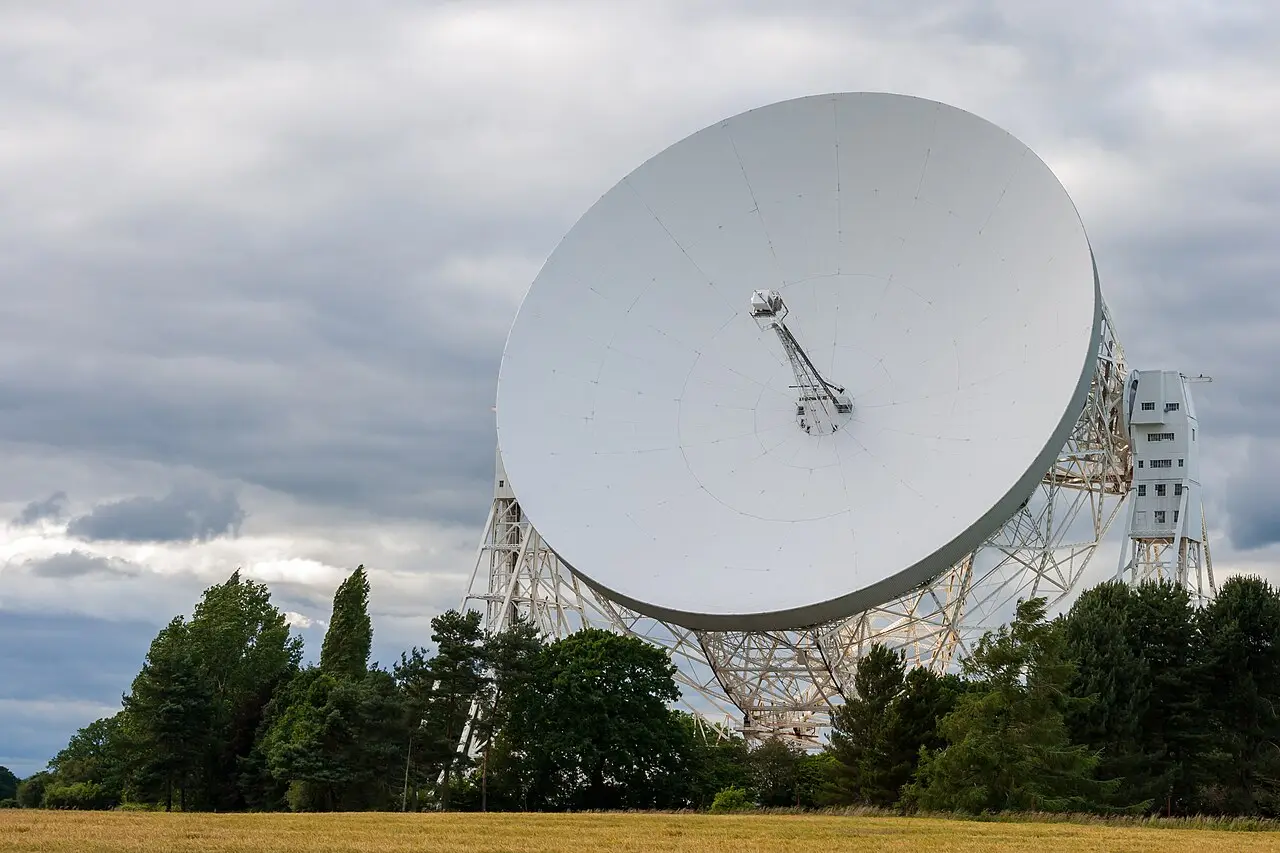
Scientists are anxiously waiting for news of Beagle 2, the British spacecraft that was due to land on Mars on Christmas Day, after it failed to send a signal back to Earth.
The lander was released from the European Space Agency's Mars Express spacecraft on 19 December, and was due to touch down early on 25 December. Radio telescopes and a NASA spacecraft have so far heard nothing.
A search for life
Beagle 2 was designed to search for signs of past or present life on Mars. It carries instruments to analyse rocks and soil, including a small drill known as the mole, and a robotic arm.
The project was led by Professor Colin Pillinger of the Open University, who campaigned tirelessly to raise money and public support for it. It was named after HMS Beagle, the ship on which Charles Darwin made his famous voyage.
The lander was built by a team of universities and companies across Britain, with money from government, industry and private sponsors.
Waiting for a signal
If Beagle 2 landed safely, it should have opened up like a pocket watch, unfolding its solar panels and sending a signal. The signal was designed to include a tune composed by the band Blur.
The Jodrell Bank radio telescope in Cheshire has been listening for it, along with NASA's Mars Odyssey spacecraft, which is orbiting the planet. So far, there has been silence.
The team says there could be many reasons, including a problem with the lander's antenna or its clock. Further attempts will be made over the coming weeks, including when Mars Express moves into position to listen.
Mars Express
The mother ship, Mars Express, successfully entered orbit around Mars on 25 December. It will study the planet's atmosphere and surface, and search for water beneath the ground.
A risky business
Landing on Mars is notoriously difficult. More than half of all missions to the planet have failed. Beagle 2 was designed to be light and cheap, using parachutes and airbags to cushion its landing.
Pillinger has said he remains hopeful. Whatever happens, the mission has captured the public's imagination and inspired a new generation of young people to take an interest in space.
More in Science
All

Latest news
Featured posts
-
Things to do
Top 10 places to visit in Birmingham
-
Food and drink
The 12 most popular food spots in Birmingham
-
Things to do
The best laser tag locations in Birmingham