
Bank rate cut to 0.5 per cent
The Bank of England also starts creating money to buy bonds.
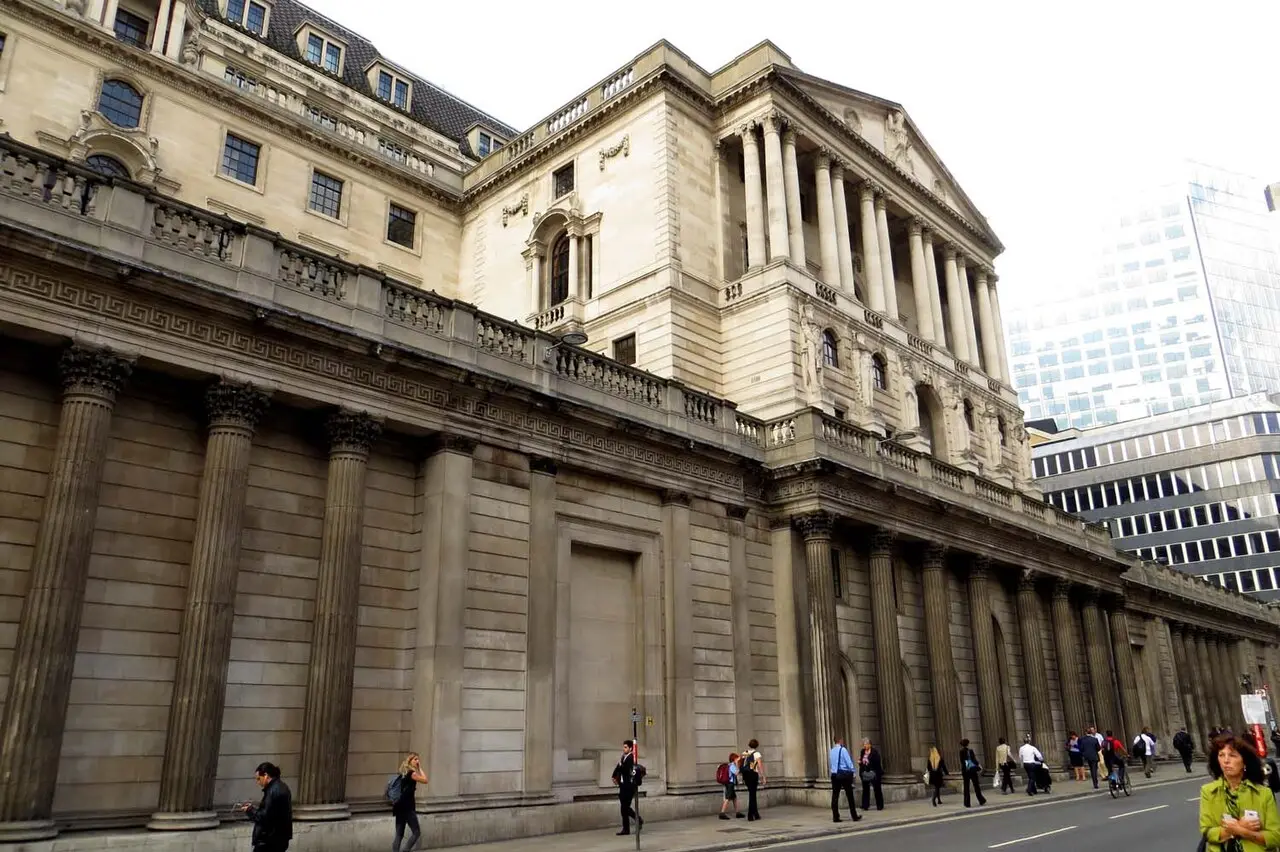
The Bank of England has cut interest rates to 0.5 per cent, the lowest level in its 315-year history, and announced that it will create £75 billion of new money to boost the economy.
The decision was announced on 5 March by the Monetary Policy Committee, which has cut rates from 5 per cent in October.
Quantitative easing
With rates now close to zero, the Bank has turned to a new tool known as quantitative easing. It will create money electronically and use it to buy assets, mainly government bonds, from banks, pension funds and other investors.
The aim is to increase the amount of money in the economy, encourage lending and spending, and prevent prices from falling. The Bank has been given permission by the Chancellor, Alistair Darling, to spend up to £150 billion.
Critics have compared the policy to printing money, and warn it could lead to high inflation in future. The Bank says it will monitor the effects closely.
A deep recession
The British economy is in recession, and shrank by 1.5 per cent in the last three months of 2008. Unemployment is rising quickly, and businesses are struggling to get credit.
Car makers have been hit particularly hard. Production has been cut at factories across the country, and thousands of workers have been laid off or put on short-time working.
The housing market has also slumped, with prices falling and mortgages harder to obtain.
Borrowers and savers
The rate cut is good news for many borrowers with mortgages linked to the Bank's rate, whose monthly payments will fall. But savers will see the interest on their deposits fall to almost nothing, and pensioners who rely on savings income will be worse off.
Around the world
Central banks around the world have cut rates sharply. The US Federal Reserve has cut its rates almost to zero, and the European Central Bank has also reduced its rates.
Governments have also announced plans to spend more and cut taxes to support their economies.
The Governor
The Governor of the Bank of England, Mervyn King, has said the economy is facing its most difficult period for many years. He has warned that recovery could be slow.
The Bank will now watch closely to see whether the new policy works.
More in Economy
All


Latest news
Featured posts
-
Things to do
Top 10 places to visit in Birmingham
-
Food and drink
The 12 most popular food spots in Birmingham
-
Things to do
The best laser tag locations in Birmingham