
Bank of England governor walks out as Russian minister speaks
Andrew Bailey joined finance leaders from across Europe in leaving an IMF session in Bangkok in protest at the war in Ukraine.
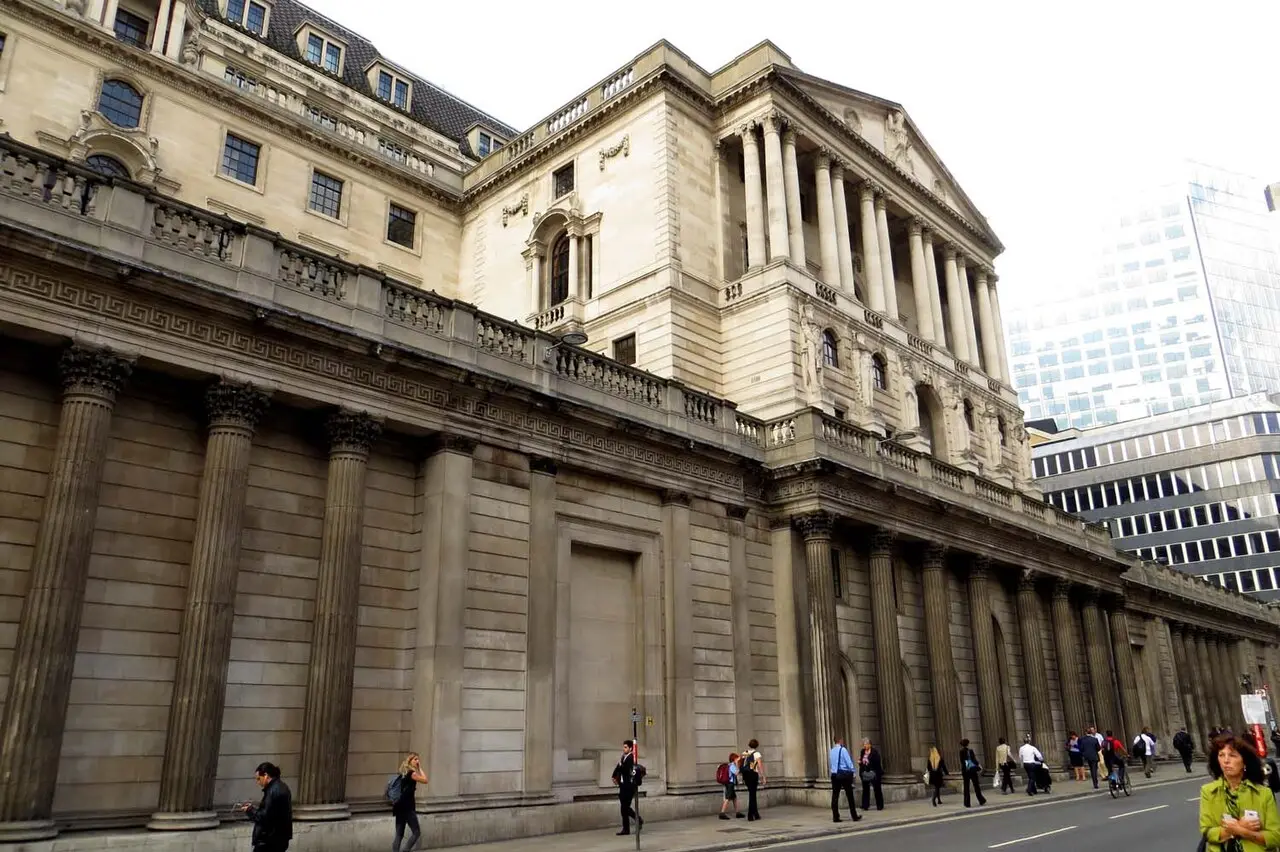
The governor of the Bank of England, Andrew Bailey, walked out of an International Monetary Fund meeting in Bangkok in protest at Russia's war in Ukraine.
Bailey joined counterparts from France, Germany and several Scandinavian and Baltic countries in leaving the session when the Russian finance minister, Anton Siluanov, began to address it in Russian. The Bank of England confirmed that Bailey took part.
"Existential for us in Europe"
Joachim Nagel, president of Germany's Bundesbank, said nearly half the delegates joined the walkout. "The Ukraine war is existential for us in Europe," a European diplomat told Reuters.
Germany had warned against attempts to bring Russia back onto the international stage. Siluanov attended a meeting of G20 finance ministers and central bankers earlier this year. The United States has supported Russia's presence: the US Treasury official Erin Browne told Reuters that Washington backed it despite European concerns.
"Resilience cannot be taken for granted"
The walkout was acknowledged by the chair of the IMF's steering committee, the Saudi finance minister, Mohammed al-Jadaan. "We came here for a reason, and we achieved it," he said, pointing out that all members had agreed the meeting's final statement.
That statement said: "The global economy has weathered the latest in a series of shocks better than expected, but buffers have been eroded, and resilience cannot be taken for granted."
"Escalating conflicts and trade tensions could further disrupt critical trade routes, exacerbate commodity price pressures, including in refined energy products, and worsen energy and food security," it added.
A tense week
The meetings took place against a backdrop of war in Ukraine and in the Middle East, where the US and Israeli campaign against Iran has disrupted shipping through the Strait of Hormuz and driven up oil and gas prices. The IMF warned during the week that the global economy "could soon test the limits of resilience", with high public debt and rising bond yields adding to the risks.
Why it matters
Central bank governors rarely make political gestures, and Bailey's decision to take part is a sign of how strongly European finance leaders feel about the war. The Bank of England is independent of the government on interest rates, but it works closely with other central banks on financial stability and sanctions.
Western sanctions since 2022 have cut Russia off from much of the international financial system and frozen a large share of its central bank's reserves held abroad. European governments have pushed to use those frozen assets to support Ukraine, while Russia has called the measures theft.
Bailey is expected to be back in London for the Bank's next interest rate decision in November, when markets expect rates to rise for the first time in years as inflation stays above target.
More in Economy
All

Latest news
Featured posts
-
Things to do
Top 10 places to visit in Birmingham
-
Food and drink
The 12 most popular food spots in Birmingham
-
Things to do
The best laser tag locations in Birmingham