
Why three Bank of England policymakers wanted a rate rise
The committee split six to three as energy prices push inflation towards 4 per cent.
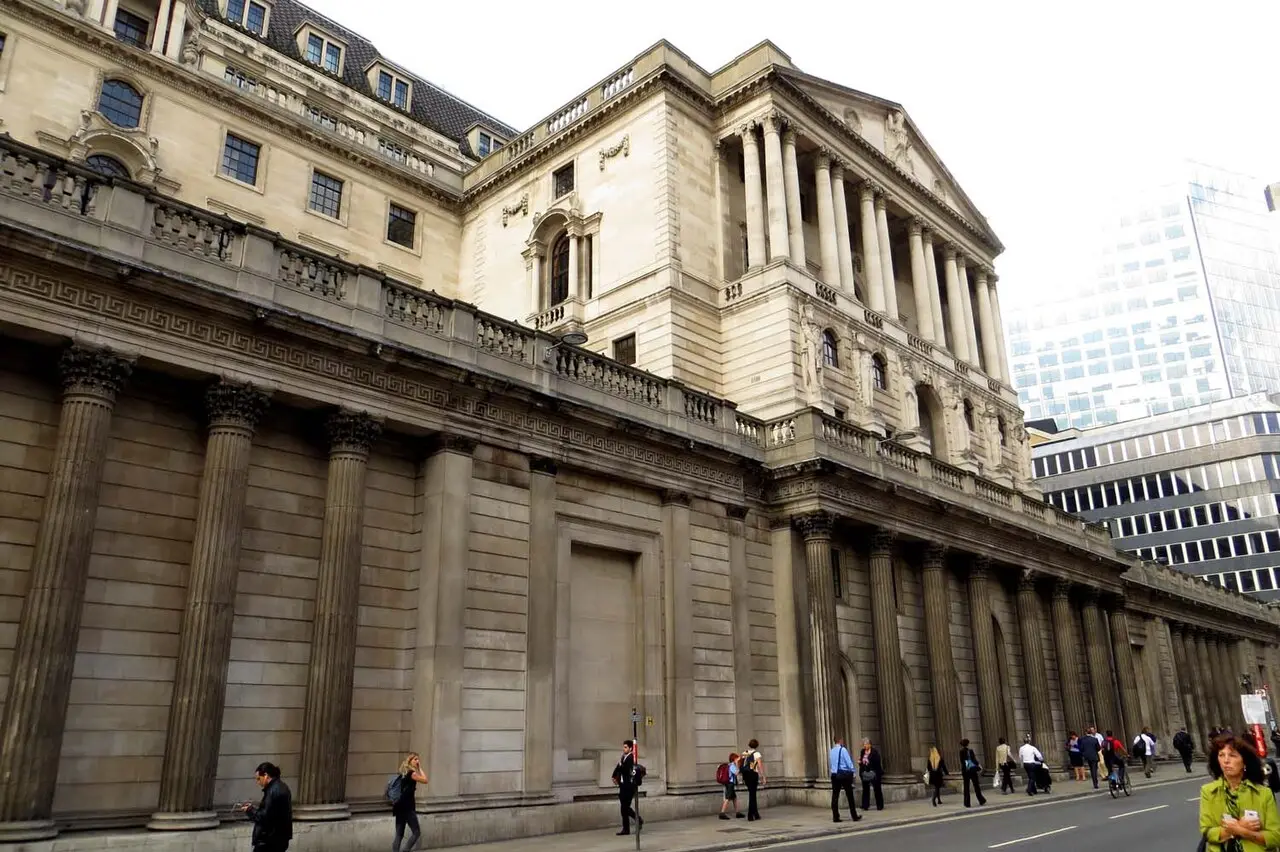
The Bank of England is watching the energy shock closely as it prepares for its next interest rate decision on 5 November, after its September meeting exposed a clear split among policymakers.
At the meeting that ended on 16 September, the Monetary Policy Committee voted by six to three to keep Bank Rate at 3.75 per cent. Three members, Megan Greene, Catherine Mann and Huw Pill, voted to raise it to 4 per cent.
Inflation set to rise
Consumer price inflation rose to 3.1 per cent in August. The Bank expects it to climb to around 3.75 per cent in the final quarter of this year and to slightly above 4 per cent in the first quarter of 2027.
The main reason is energy. Since July, the price of Brent crude oil has risen by 36 per cent and UK wholesale gas by 78 per cent. The committee said that conflict in the Middle East "appeared to have become more protracted than had been expected previously, without signs of a clear resolution."
The case for waiting
The majority argued that there was limited evidence so far of second-round effects, where higher energy prices feed into wider prices and wages. They noted that financial conditions were already restrictive and that spare capacity in the economy should help restrain inflation.
The Governor, Andrew Bailey, warned that "if the conflict in the Middle East persists for an extended period... policy may have to tighten." Alan Taylor said policy "should respond to evidence of propagation rather than mechanically to volatile ticks in headline energy prices."
The case for acting
The three who voted for a rise argued that the economy had been more resilient than expected and that the risks of inflation becoming entrenched were growing. "Waiting for definitive evidence of second-round effects before acting would leave policy behind the curve," Megan Greene said. Catherine Mann said raising rates was "a better risk-management strategy when faced with uncertainty about inflation dynamics."
The wider picture
The economy grew by 0.4 per cent in the second quarter. Unemployment stood at 4.9 per cent in the three months to July, and private sector pay growth at 2.9 per cent. The committee also voted unanimously to reduce its holdings of government bonds to zero, completing the process by the end of 2034.
More in Economy
All
Latest news
Featured posts
-
Things to do
Top 10 places to visit in Birmingham
-
Food and drink
The 12 most popular food spots in Birmingham
-
Things to do
The best laser tag locations in Birmingham